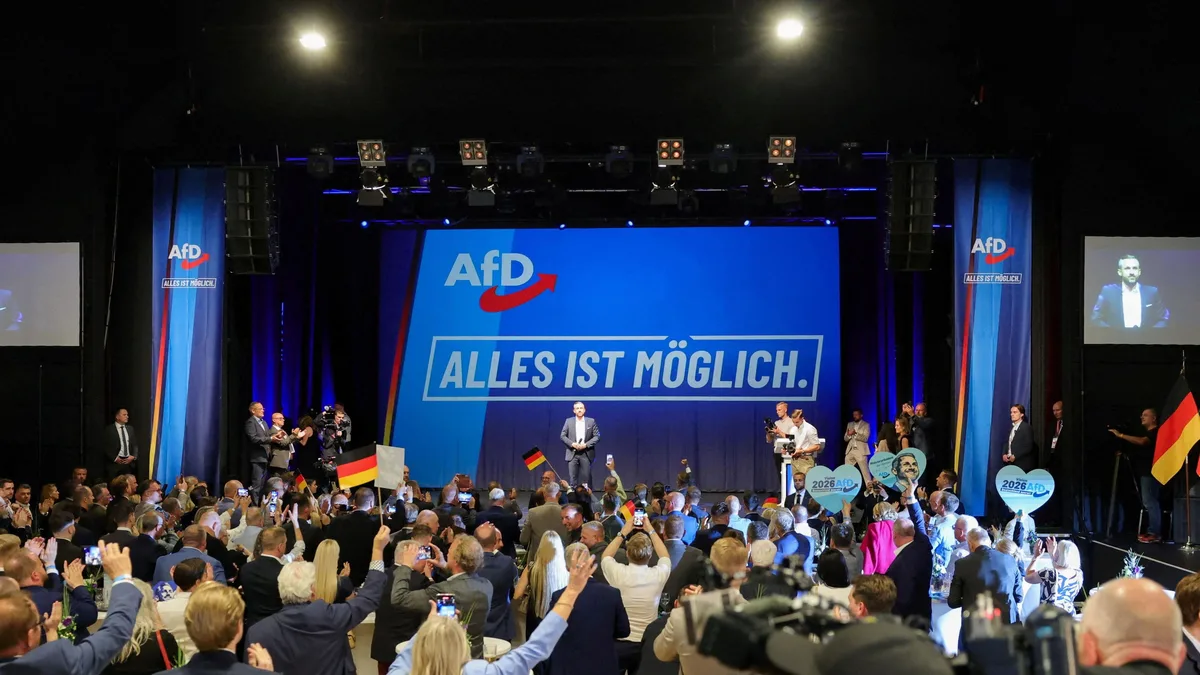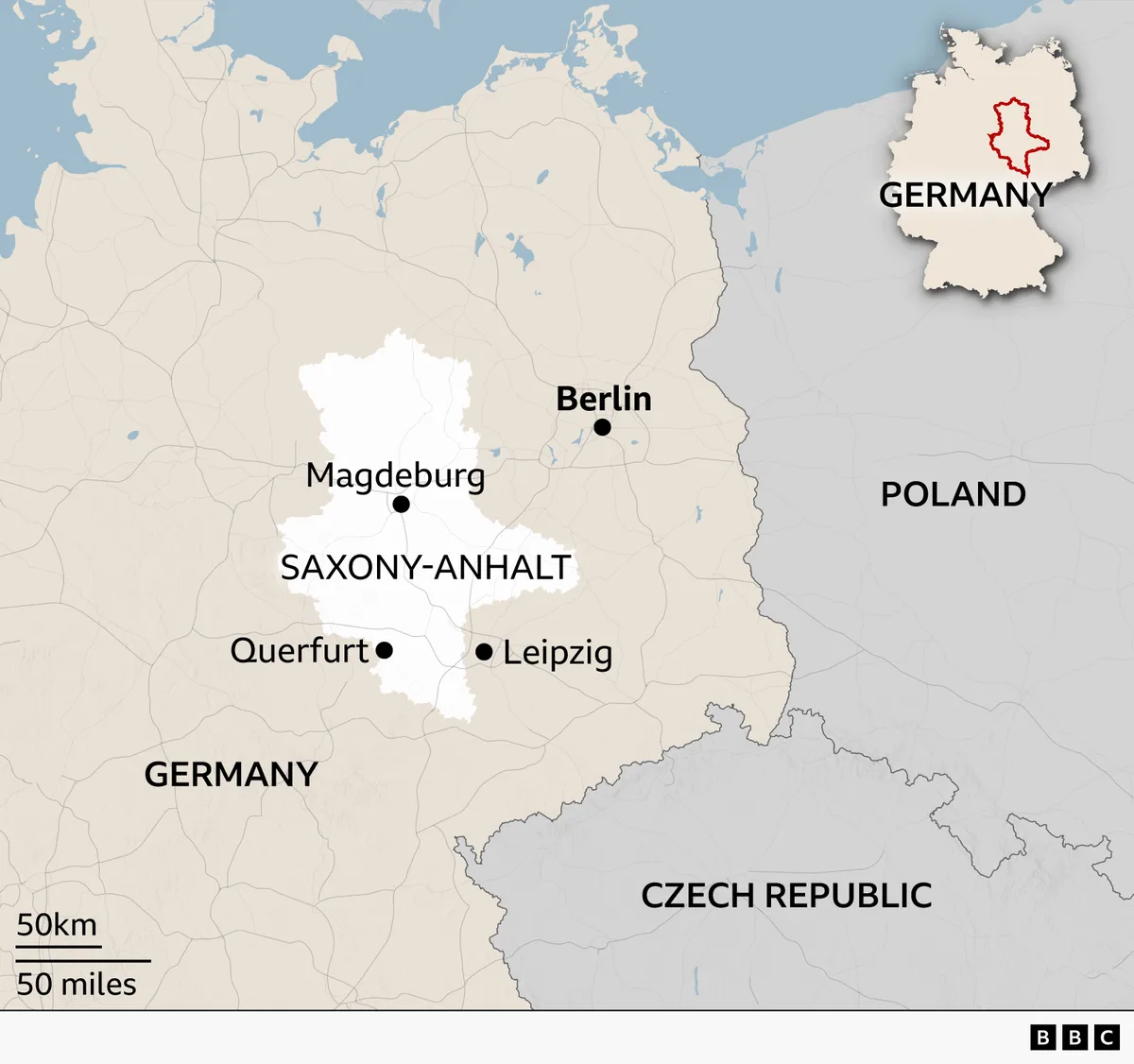
The far-right Alternative for Germany (AfD) won around 44% of the vote in the Saxony-Anhalt state election held on September 6, 2026, marking the highest vote share for a far-right party at state level in Germany since World War II [1, 2, 3, 4, 5, 6, 7, 8, 9, 10]. AfD secured 39 of the 83 seats in the state parliament, falling short of the 42 needed for an outright majority [2, 3, 7, 10].
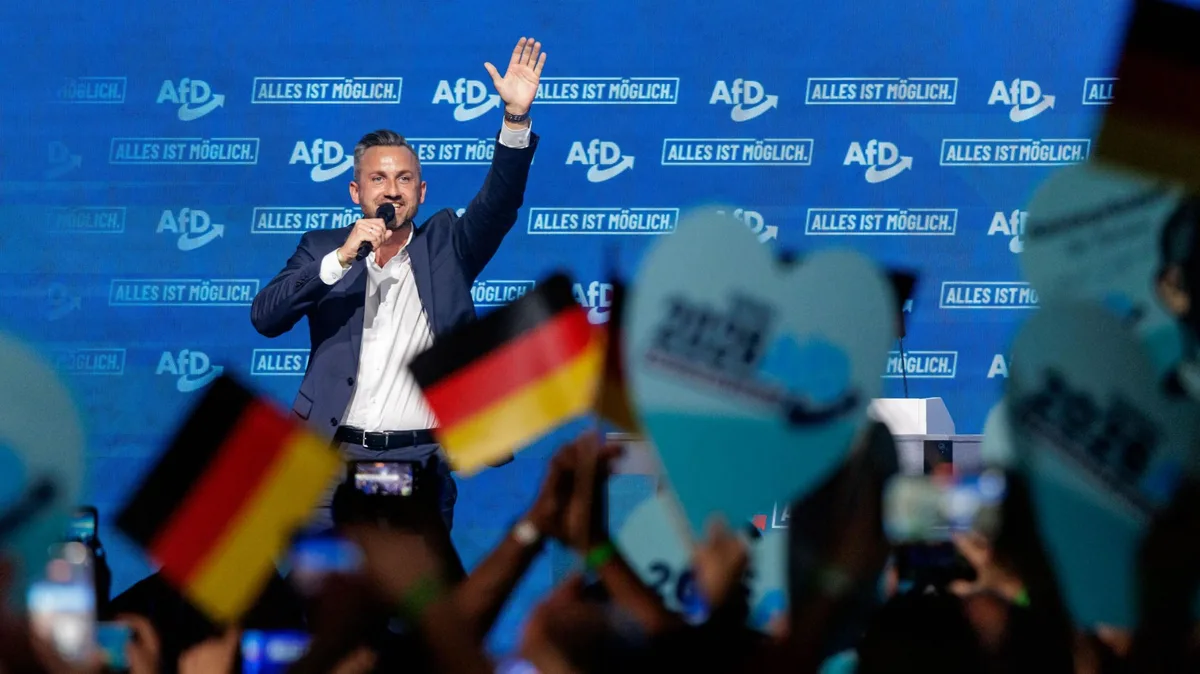
AfD lead candidate Ulrich Siegmund, 35, credited with energizing voters across the eastern state, said, "No matter the outcome of tomorrow's election, we have already made history... what we have started here in Saxony-Anhalt -- what is currently sweeping across all of Germany -- can no longer be stopped" [1, 3, 4, 5, 9, 10]. The party is exploring cooperation or informal support from other parties or individual legislators to govern as a minority [3, 6, 8]. AfD national co-leader Alice Weidel said, "We have received a very clear mandate to govern" in Saxony-Anhalt [8].
Mainstream parties continue to refuse partnerships with AfD, maintaining a longstanding 'firewall' isolation policy [3, 5, 6, 8, 10]. AfD deputy Beatrix von Storch warned, "if parties refused to work with the AfD, then we might end up in severe chaos and maybe we have a new election" [3]. The small left-wing populist BSW party cleared the 5% threshold and AfD is considering informal cooperation with its members to secure support [3, 6, 8].
The Christian Democratic Union (CDU), led nationally by Chancellor Friedrich Merz, suffered major losses with its vote share dropping from around 37% in 2021 to roughly 18.5% in this election [1, 4, 6, 7, 8, 10]. The high turnout of 76.5%, a record for Saxony-Anhalt, highlighted voter engagement amid the political shift [7, 9].
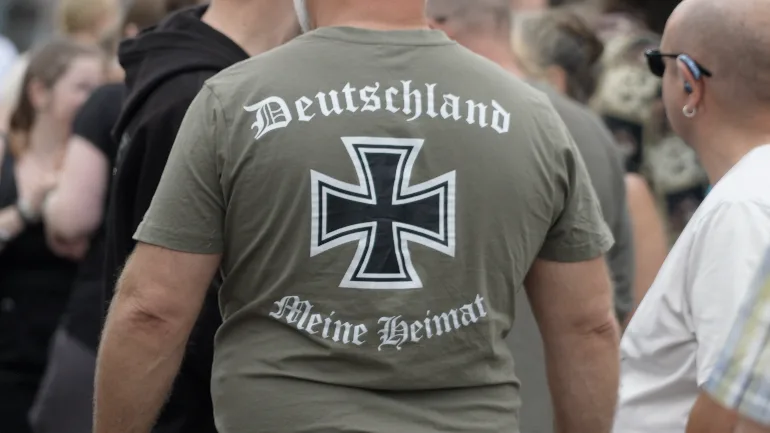
The AfD campaign emphasized anti-immigration policies, opposition to LGBTQ symbols in schools, resistance to wind farms, and nostalgic appeals to East German identity [1, 5]. Germany’s domestic intelligence agency classifies the AfD, especially the Saxony-Anhalt branch, as right-wing extremist, a label the party rejects [3, 5, 10].
The election result increases pressure on Chancellor Merz’s federal government as critics question coalition stability [1, 11, 5, 9, 10]. French officials voiced concern about AfD’s rise. Finance Minister Roland Lescure said, "It clearly sends out a very, very worrying signal... we face a major challenge in the face of a populist wave which is spreading around the world today and which we must resist," while European Affairs Minister Benjamin Haddad warned, "nationalism and xenophobia will never be the answer" [12].
On September 7, AfD declared it would seek to form government alone or with informal support, despite mainstream parties’ refusal to cooperate [3, 10]. French officials publicly commented on the implications of the AfD’s victory for Europe the same day [12].