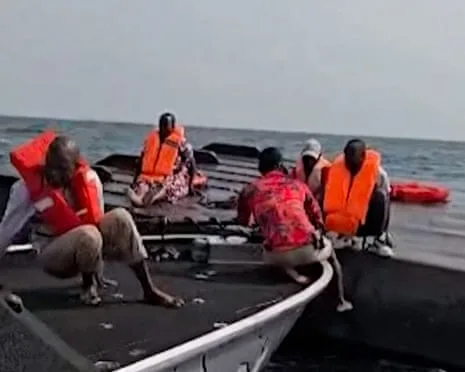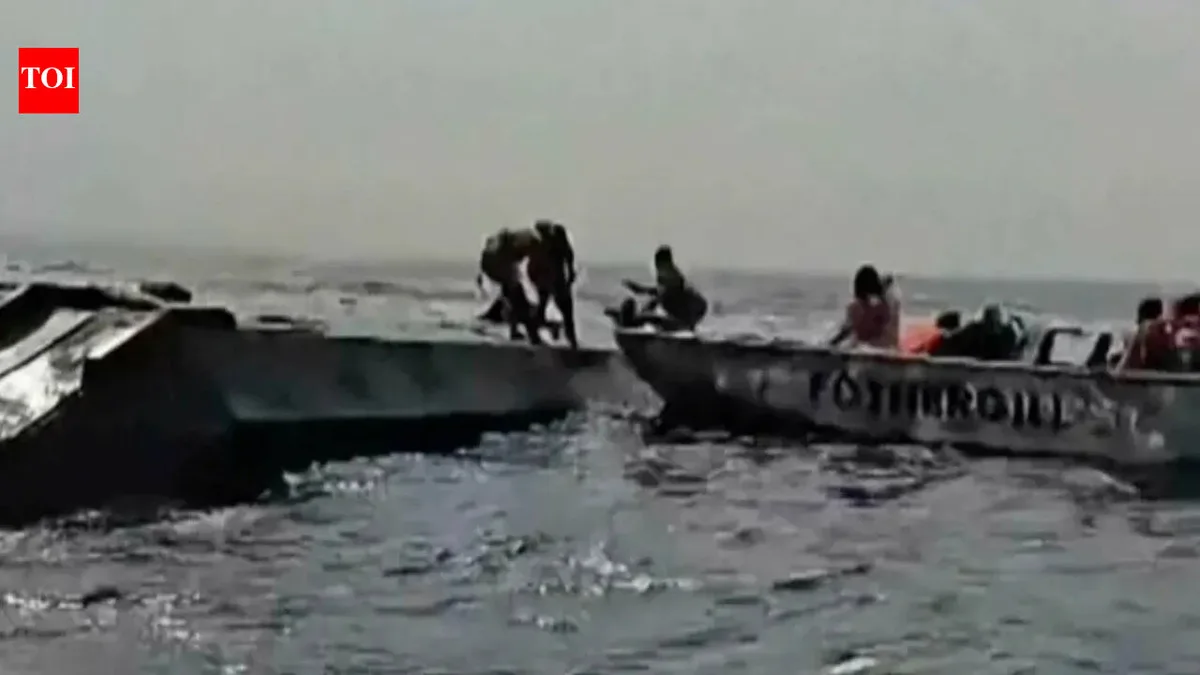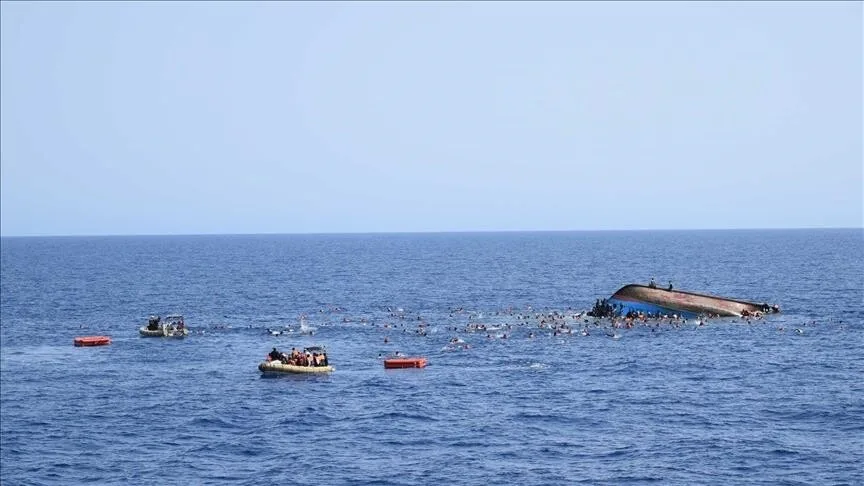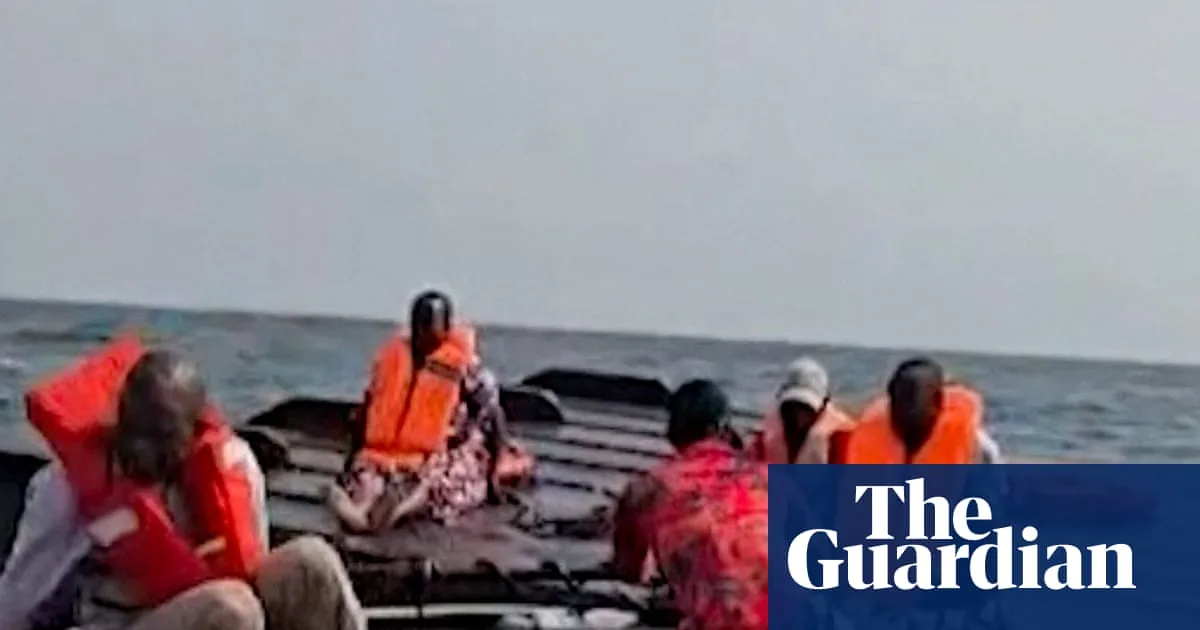
A government passenger ferry capsized on Lake Kariba in Zimbabwe on August 11 after hitting large waves amid rough weather, killing at least 44 people and injuring others [1, 2]. The ferry, built for 90 passengers, was overcrowded, carrying between 114 and over 150 people including adults, children, and crew [3, 2]. About 12 children were reportedly onboard [2].
The ferry was crossing from the northern town of Kariba to islands and fishing camps on Lake Kariba when it capsized [3, 1, 2]. Lake Kariba, the world's largest human-made lake, spans the border between Zimbabwe and Zambia and was created in the 1950s by damming the Zambezi River [3]. Previous fatal incidents have occurred on the lake, including a 2014 capsizing in Zambia that killed 26 people and others in Zimbabwe in 2021 and 2023 [3].
Seventy-seven people have been rescued so far as search and rescue operations continue [1, 2]. Authorities have recovered bodies from the water, with the official toll rising steadily since the accident [1]. President Emmerson Mnangagwa declared the ferry disaster a state of disaster on August 12 [2].
There are some discrepancies in passenger numbers: one crew member said 153 people were onboard, while police estimated more than 120 including children [3, 2]. Initial reports placed deaths at 15 with 27 missing, but official tolls now confirm at least 44 dead [3, 1, 2].
Maxwell Kanhema Page described the tragedy: "A few moments later I get over 200 calls about [the ferry] sinking. A sad day indeed" [3].
The ferry is a vital link in providing transport between Kariba town and the scattered communities and camps on the lake [3, 1, 2]. Rescue and recovery efforts are ongoing as authorities work to account for all passengers and respond to the disaster.