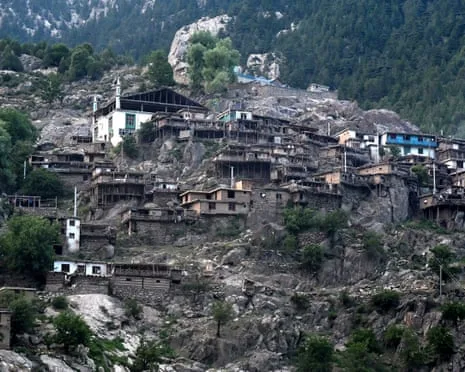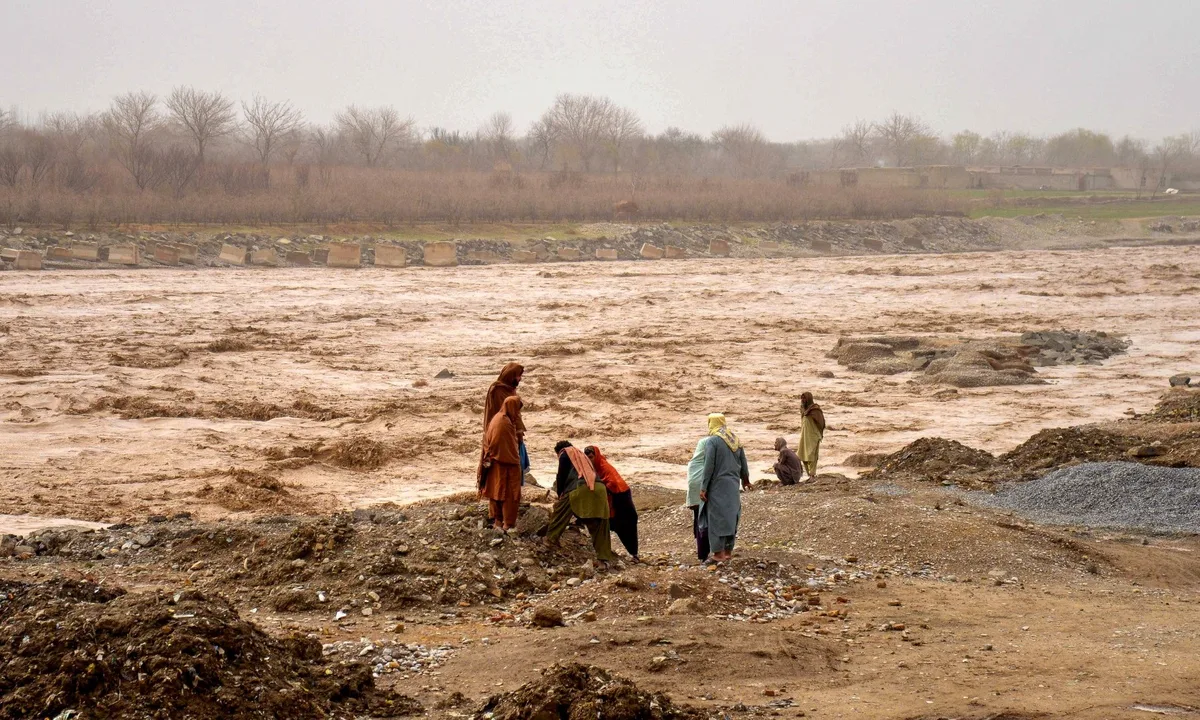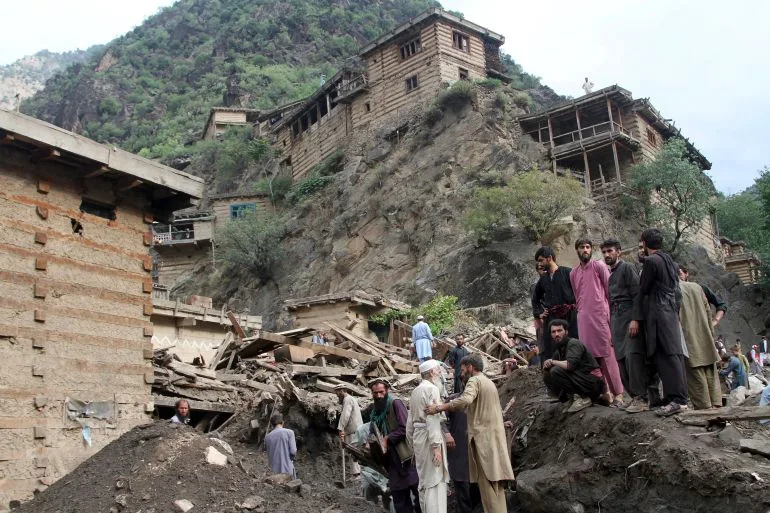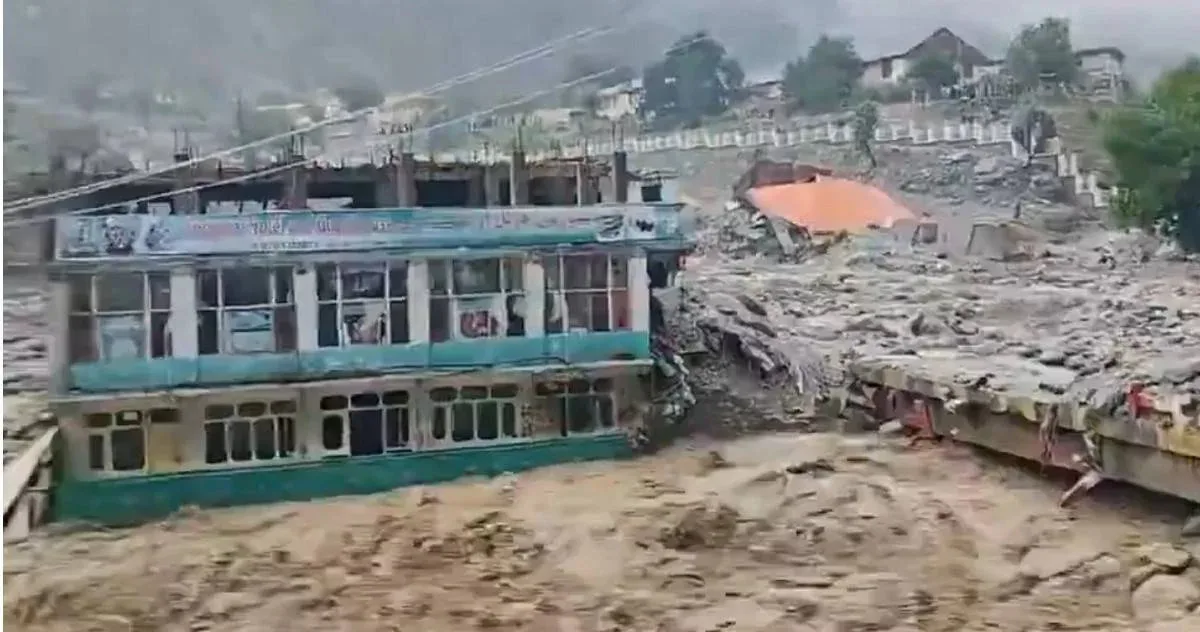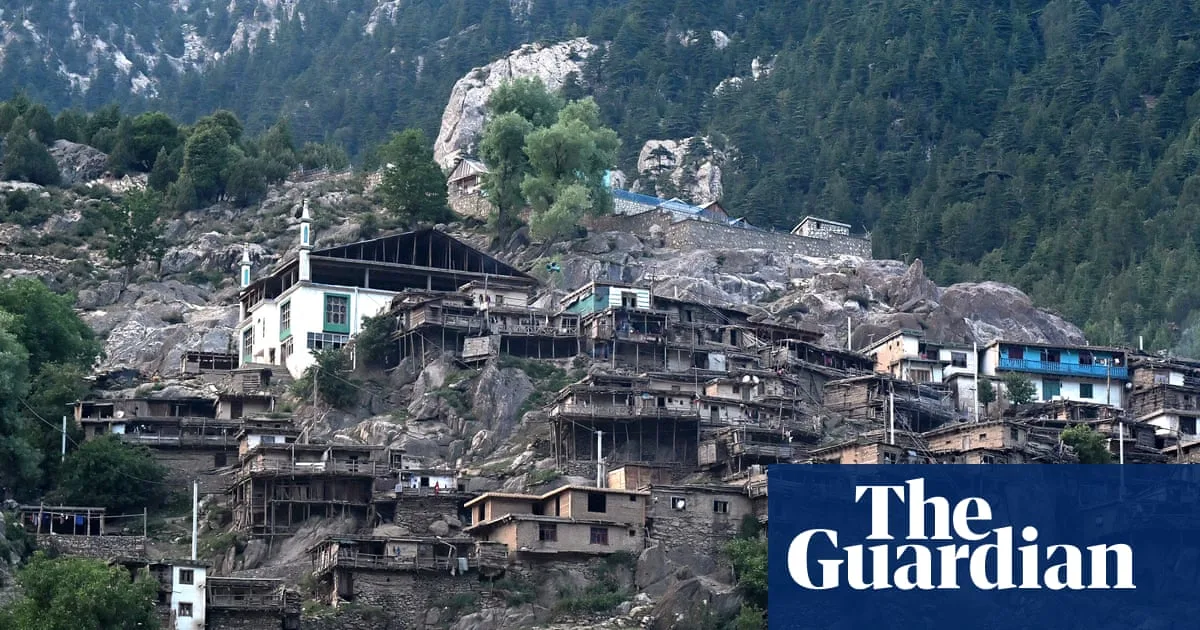
Flash floods hit Nuristan province in eastern Afghanistan on Monday, July 20, killing at least 20 people and leaving more than 100 missing, including the mayor of the provincial capital Parun [1, 2, 3, 4, 5, 6]. The disaster also injured over 80 residents.
The floods devastated Parun and surrounding areas. Large boulders were scattered across the town, severely damaging infrastructure. Ashiqullah Safi, head of the local NGO Shpoul, said the municipality was "completely destroyed, including hotels and dozens of shops." Residents had to search for survivors and victims without proper equipment due to the difficult conditions [1].
Rescue operations are still underway to find the missing, recover bodies, and provide medical treatment to the injured [1, 2, 4, 6]. Authorities have warned the number of casualties could rise as search efforts continue.
Matiul Haq Khalis, head of Afghanistan's environmental protection agency, said the frequency and intensity of flooding have increased in recent years. He linked the worsening floods to environmental degradation and climate change, which he said have caused a humanitarian crisis for the Afghan people [1]. Khalis had issued warnings earlier in July about the threat of more severe floods across the country [1, 2, 3, 5, 6].
This flooding event forms part of a broader pattern this monsoon season across South Asia, with similarly severe floods impacting parts of India and Nepal [2].
Local officials face a substantial recovery challenge after the municipal center of Parun was nearly wiped out. Essential services, homes, and businesses remain severely disrupted [1, 2, 6]. The mayor’s disappearance underscores the scale of the catastrophe.
Rescue teams will continue to search for survivors and provide aid in the coming days, as aftershocks of the disaster unfold in Nuristan.