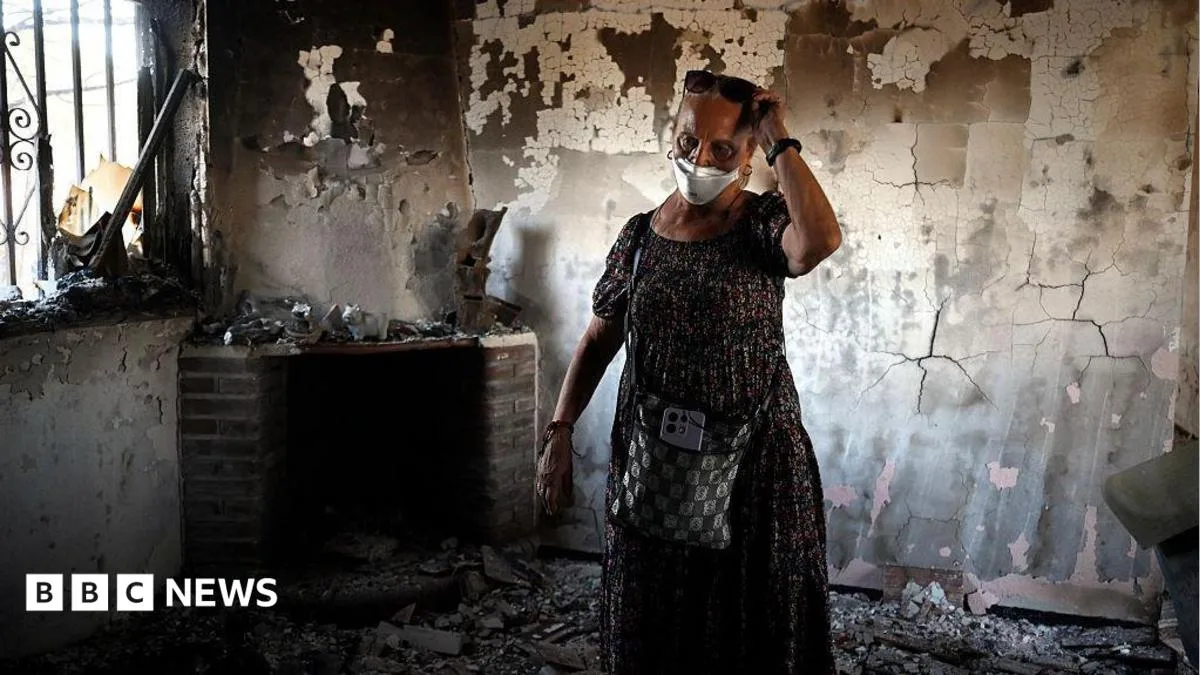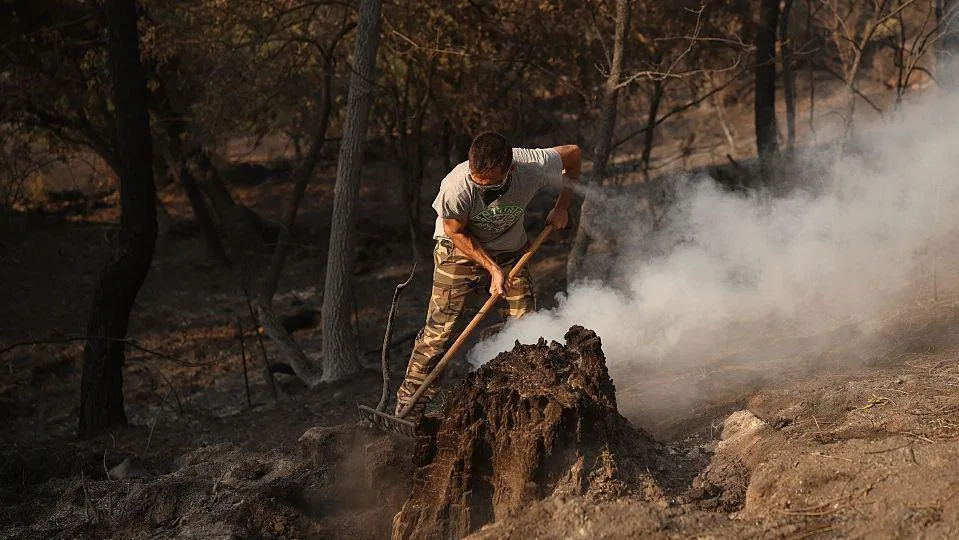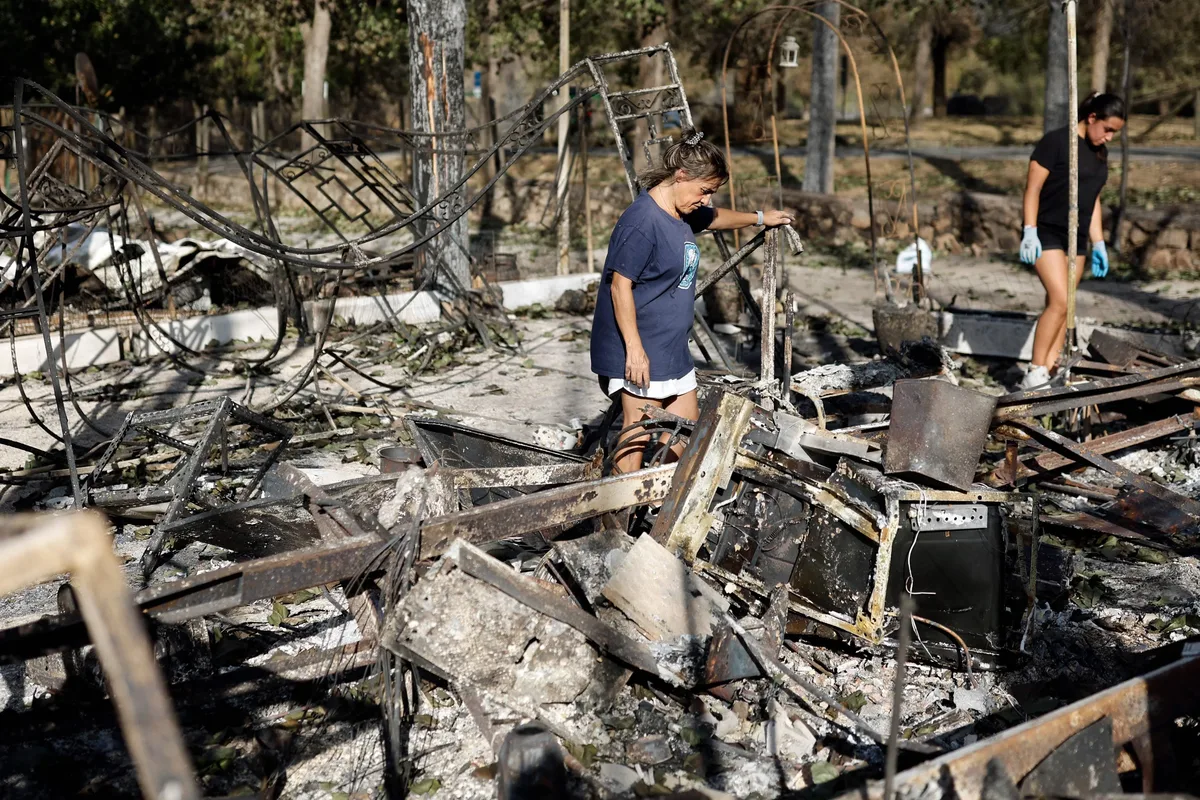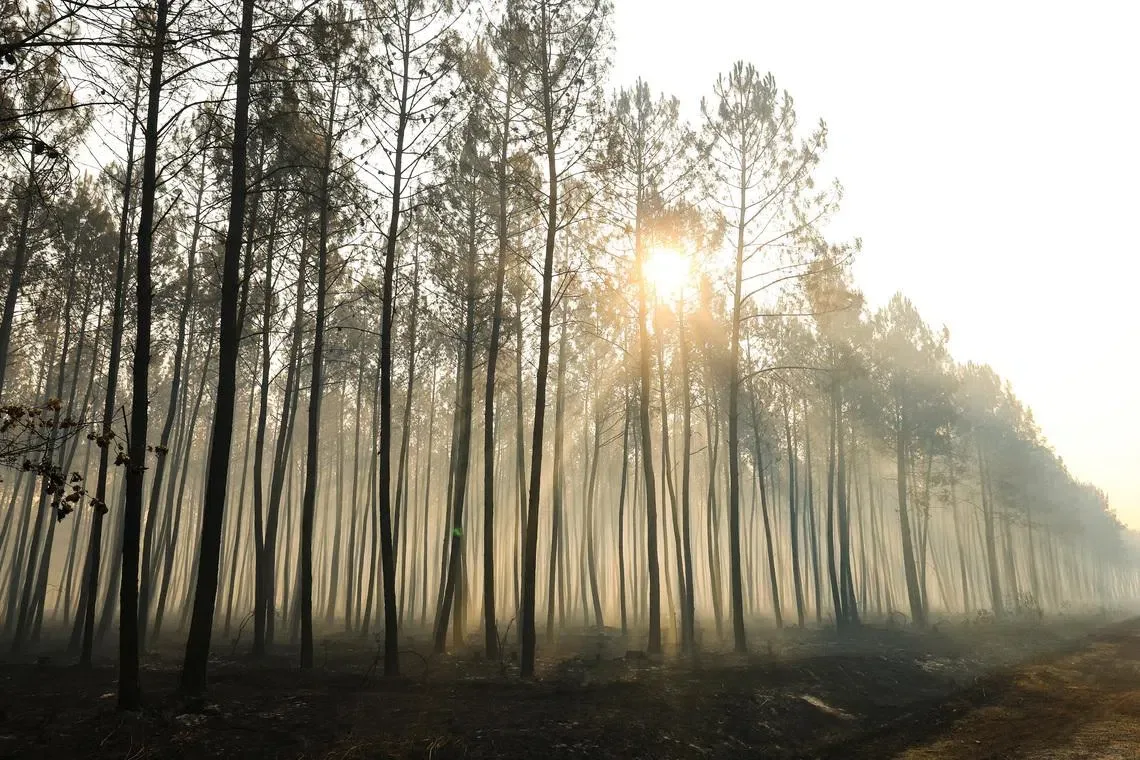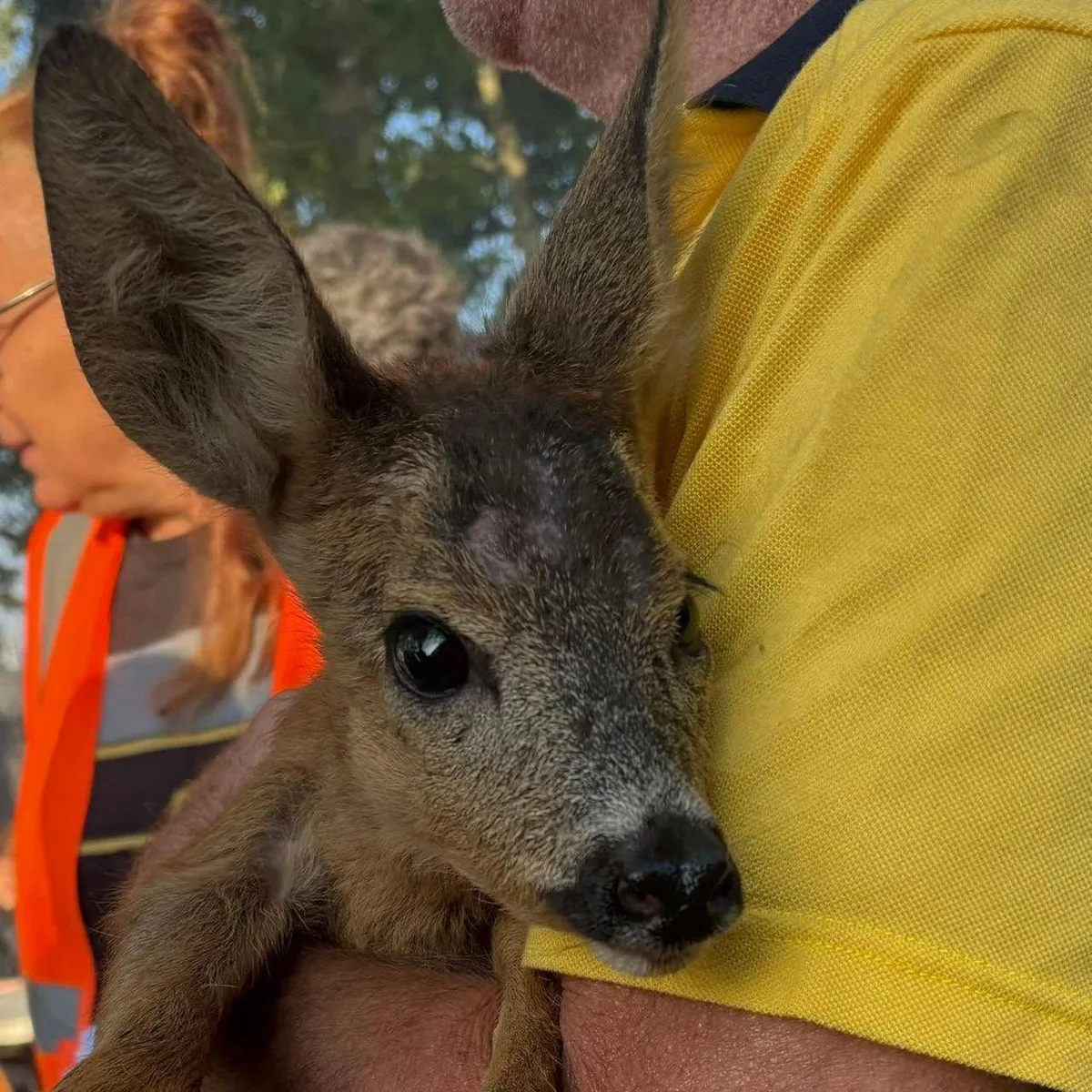
France and Spain are confronting major wildfires fueled by their fourth summer heatwave, with temperatures reaching 42C in southwest France and 40C in parts of Spain [1, 2, 3]. The wildfires have forced the evacuation of roughly 220,000 people near Bordeaux in France’s Gironde region and more than 60,000 in Spain, especially around Madrid and Ávila [1, 2, 4, 5].
The wildfire near Bordeaux has burned approximately 42,000 hectares, making it among the largest fires in French history and about four times the size of Paris [2, 4, 6]. Meanwhile, Spain’s largest recorded wildfire in Ávila province has scorched over 43,000 hectares, prompting the evacuation of 40,000 residents in the Burgohondo area [1, 5]. Authorities have begun allowing partial returns of evacuated residents in parts of Spain, including Toledo and Madrid [1, 5].
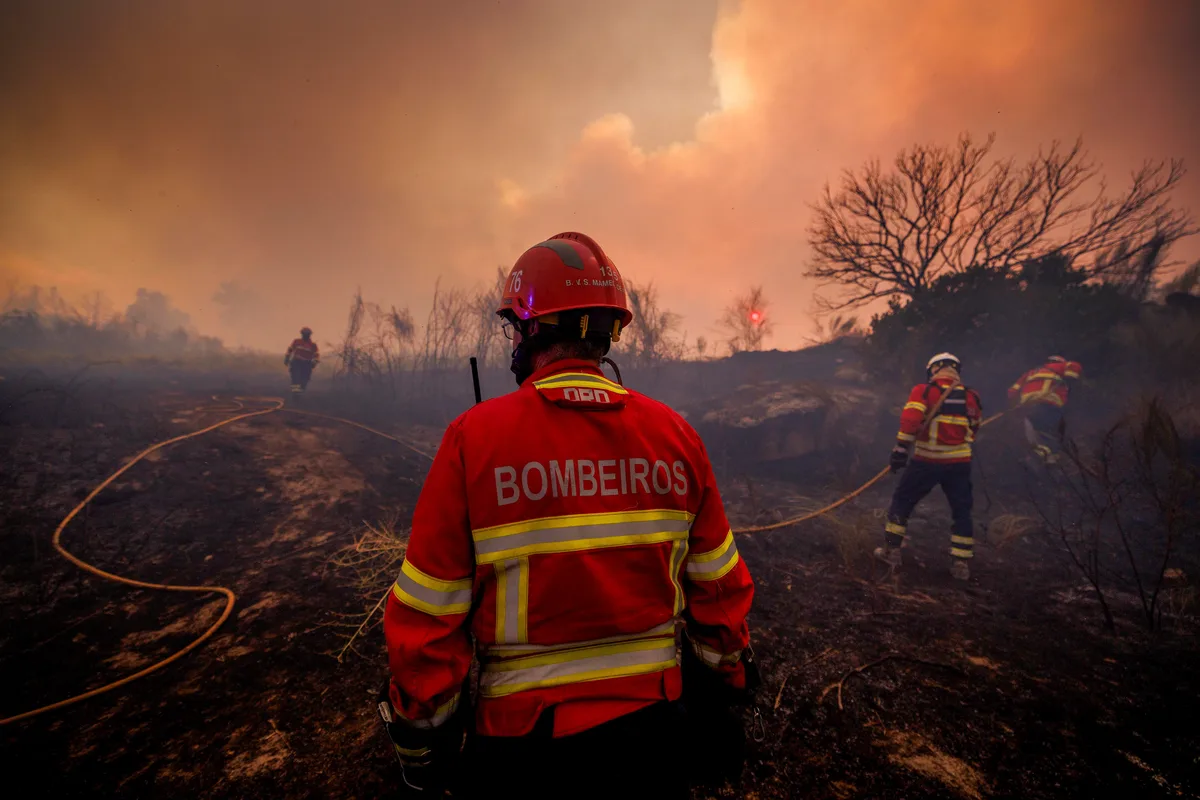
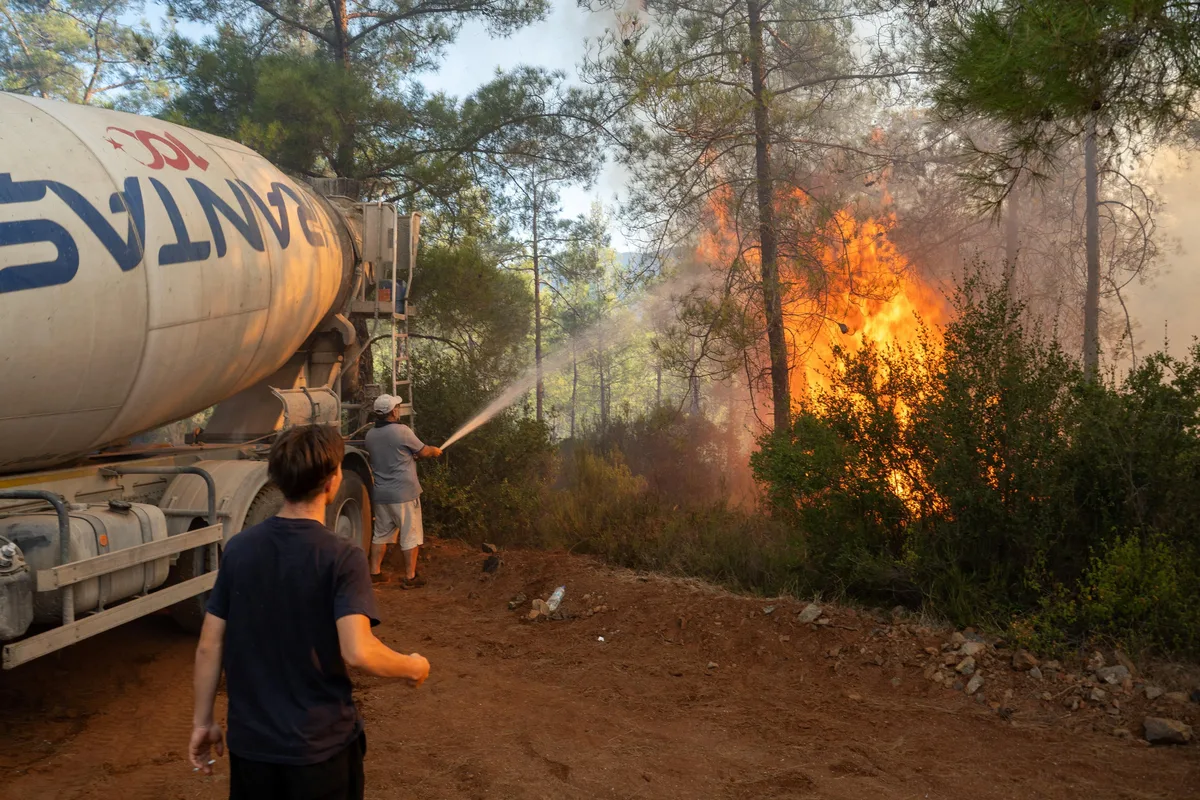
Firefighters are battling difficult conditions with high temperatures, dry winds, and gusts increasing the risk of flare-ups. Matthieu Jomain, a firefighter commander in France, said the situation remained stable but the fire was not yet controlled, and officials remain “vigilant today given forecast weather conditions” [2]. Spanish Prime Minister Pedro Sánchez called the next 12 hours decisive for extinguishing the wildfire near Madrid and said progress was favorable "with maximum caution" [1].
Two people were arrested on arson suspicion linked to the Bordeaux fires [4]. Elsewhere in Europe, Greece has seen wildfires that killed three firefighters and forced evacuations amid dangerous winds [4, 3]. A fire near Vall d'Uixó northwest of Valencia remains out of control [1].
The 2026 wildfire season in Spain and France has already broken records for area burned and number of fires by late July compared to previous years [7, 8]. Ruben del Campo of the Spanish Meteorological Agency linked the extreme heat and fires to climate change, noting accelerated warming in western Europe [8]. Excess deaths in France from the heatwave reached 5,764 between mid-June and early July, the highest since 2003 [9, 10]. The French government also cut its 2026 GDP growth forecast from 0.9% to 0.7%, citing impacts from the heat and wildfires [9, 10].
Firefighting efforts involve thousands of personnel and aircraft, focusing on protecting sensitive sites like defense and aerospace facilities in France [1, 6]. Belgium extended its heatwave alert to warn of expected 35C temperatures to protect vulnerable groups [11].
Officials will closely monitor wildfire flare-ups as warm, dry conditions persist in the coming days, with evacuation zones and firefighting operations ongoing in multiple regions.