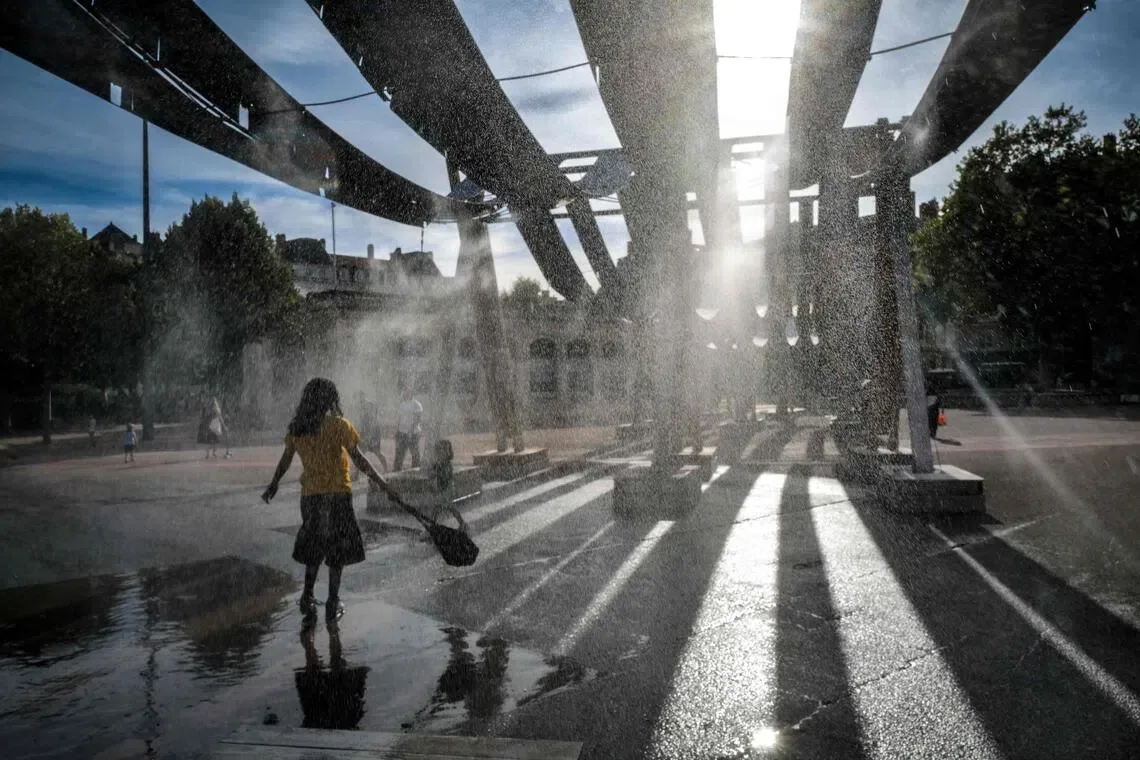
France recorded its hottest summer since temperature measurements began in 1900, with the meteorological summer spanning June to August 2026 [1, 2, 3, 4]. The average temperature reached about 24°C, roughly 3.6°C above normal averages [3].
The summer featured multiple severe heatwaves. A late June heatwave set a new intensity record for the country [1, 2, 3]. Another heatwave in late July through August lasted 23 days, tying the longest heatwave record previously set in 1983 [1, 2, 3].
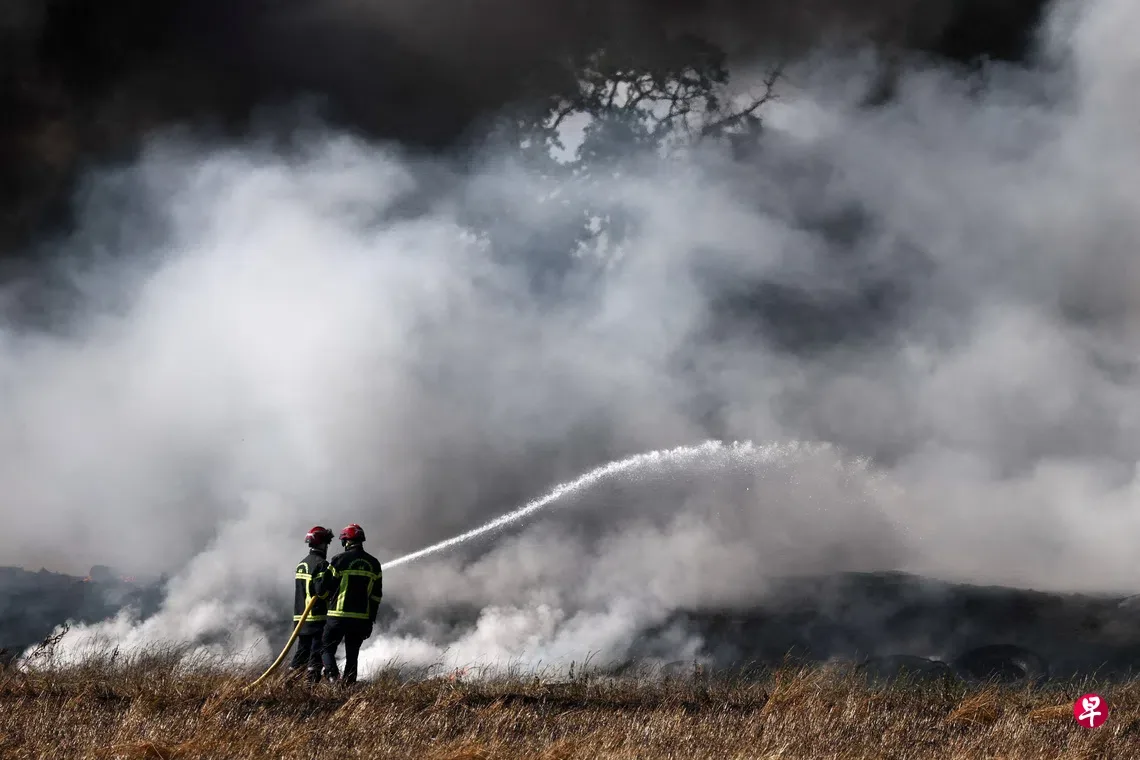
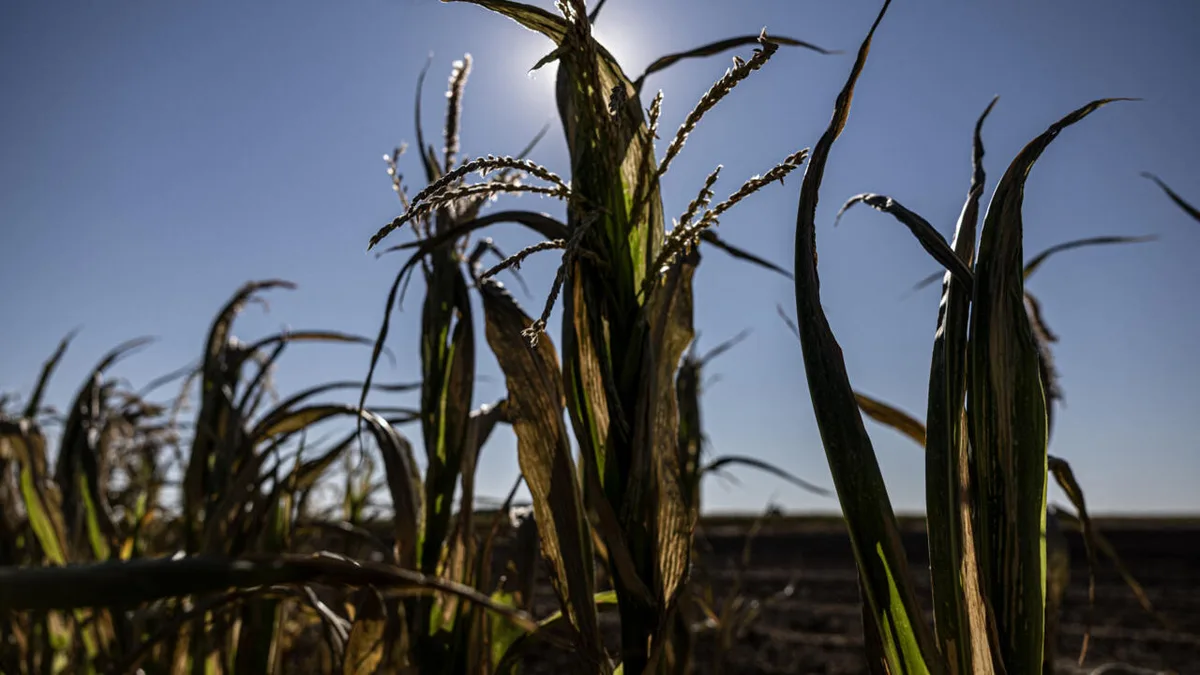
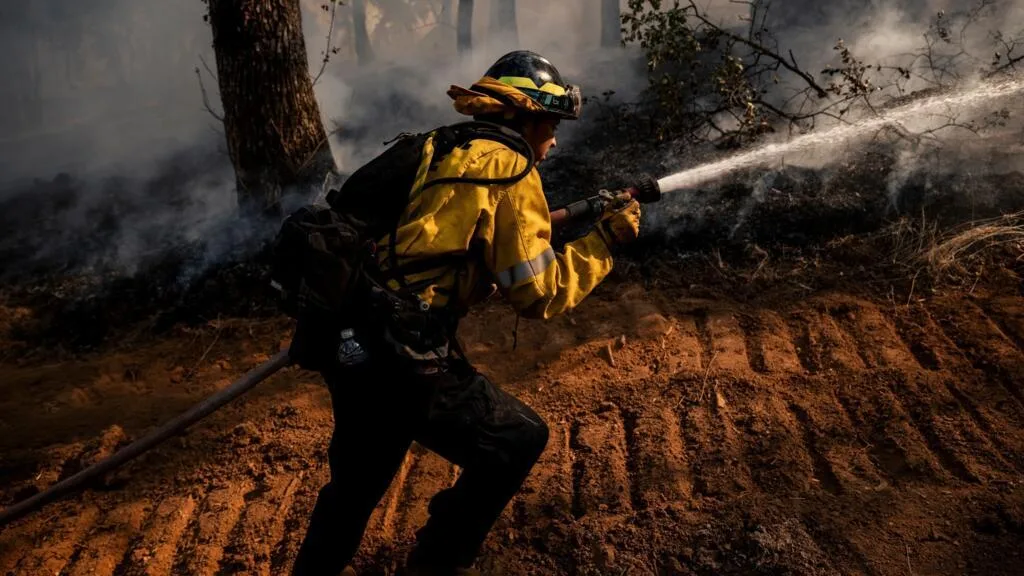
Extreme drought and soil dryness affected much of France, with most reservoirs and waterways reaching 20-year lows [5, 4]. Wildfires burned six times more land area than the average of the last 20 years by the end of August [2, 5, 4]. Four firefighters died battling the blazes during summer 2026 [4].
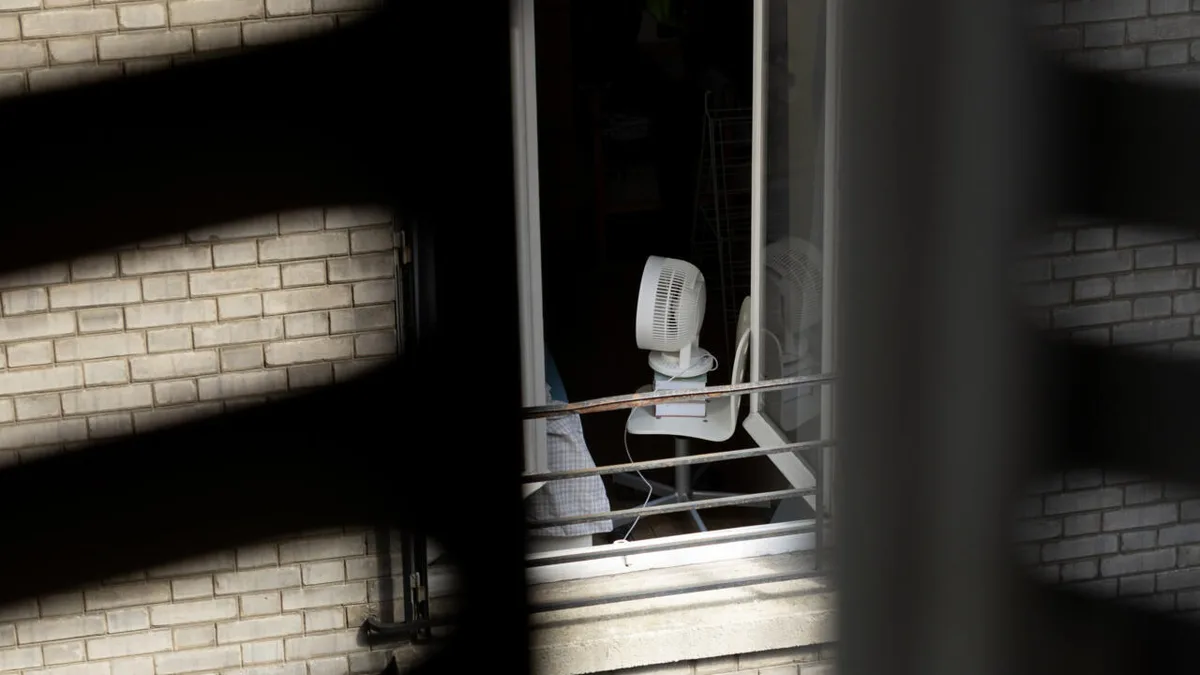
The heatwaves caused an estimated 2,025 excess deaths, primarily among people over age 45, as reported by Health Minister Stéphanie Rist, who called the toll unprecedented [3].
Agriculture suffered devastating impacts with losses exceeding €10 billion, hitting crops, livestock, and water supplies. About 30,000 to 35,000 farms face financial difficulties due to the climate effects [6]. Agriculture Minister Marc Fesneau described the losses as "huge" and a "big investment given the current budget situation" [6]. To help farmers, the French government announced a €1 billion aid package on September 4, including about €520 million in emergency grants and €235 million in recovery funds [6, 7].
French Environment Minister Monique Barbut said on September 3, "We have just lived through the hottest summer ever recorded since measurements began in 1900." She warned that 2026 "will go down in history" and posed the question whether it will be the first of many record-breaking summers or a call to action on climate adaptation and mitigation [1].
France, part of Europe—the fastest warming continent where temperatures rise twice as fast as the global average since the 1980s—is now facing a critical climate challenge [1, 3]. Prime Minister Sebastien Lecornu has tasked Environment Minister Barbut with presenting new climate adaptation measures by the end of September, including a five-year funding plan [2, 3].