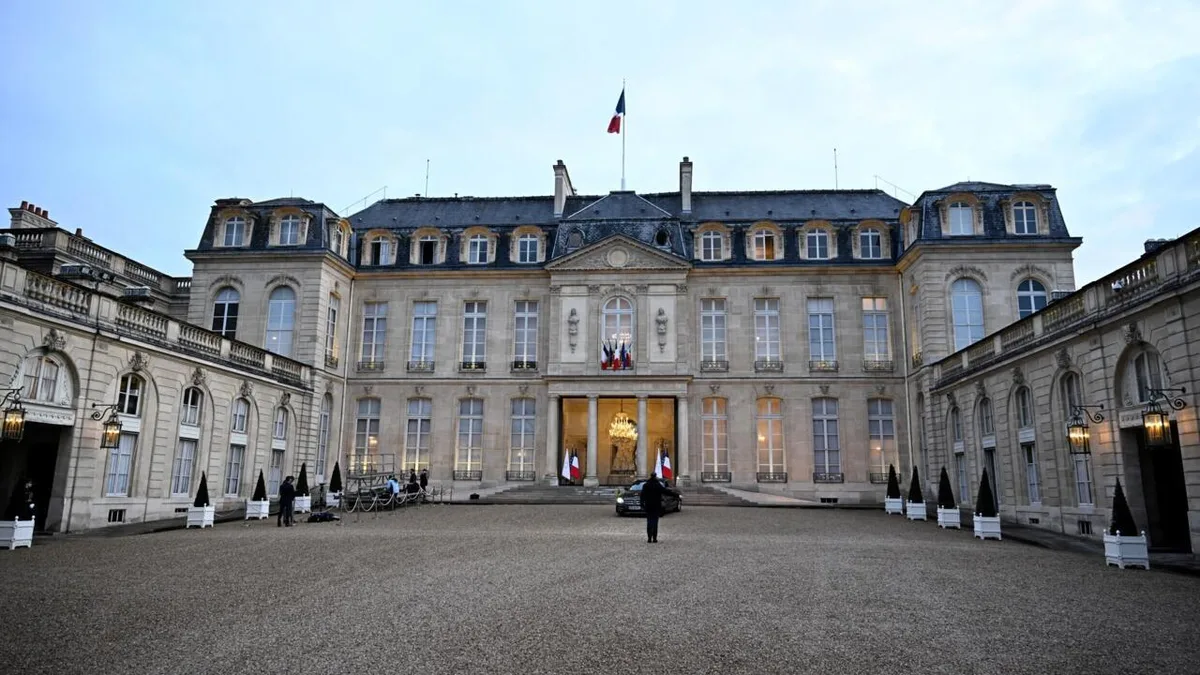
France will hold the first round of its next presidential election on April 18, 2027, with a runoff scheduled for May 2, 2027 [1, 2, 3]. The dates comply with constitutional requirements, mandating the vote to be held between 20 and 35 days before President Emmanuel Macron’s second and final term ends [1].
The government set the calendar following consultations with political parties. [1, 2, 3] Government spokesperson Maud Bregeon said "The timeline reflects all existing constraints and was agreed after consultations with all political forces" and added, "Everyone knows how to manage May 1 before and after a presidential election" in response to criticism about the runoff’s timing shortly after the May 1 International Workers’ Day demonstrations [2].
Opposition figures criticized the calendar as politically motivated. Bruno Retailleau, an opposition leader, said, "The calendar is not neutral and could reflect a broader political strategy" [2]. The government rejected these claims, affirming that the schedule follows constitutional rules and collaboration with all political factions. [2, 3]
President Macron is finishing his second term and is not eligible to run in 2027 [1, 3]. The 2027 election is expected to feature a wide range of candidates, potentially pitting rivals from opposite ends of the political spectrum [3]. Marine Le Pen’s far-right National Rally party stands as a leading contender but awaits a court decision on July 7 regarding her eligibility to run amid a legal case [1, 3].
The town of Châteaudun, seen as a bellwether for presidential elections, has drawn reporter attention as undecided voters there prepare for the 2027 vote [4].
The French government confirmed the election dates during a cabinet meeting on July 1, 2026, and the runoff will take place the day after the May 1 workers’ demonstrations in 2027, a schedule that has sparked some debate [2, 3]. The scheduled court ruling on Marine Le Pen’s eligibility is set for July 7, 2026 [1].