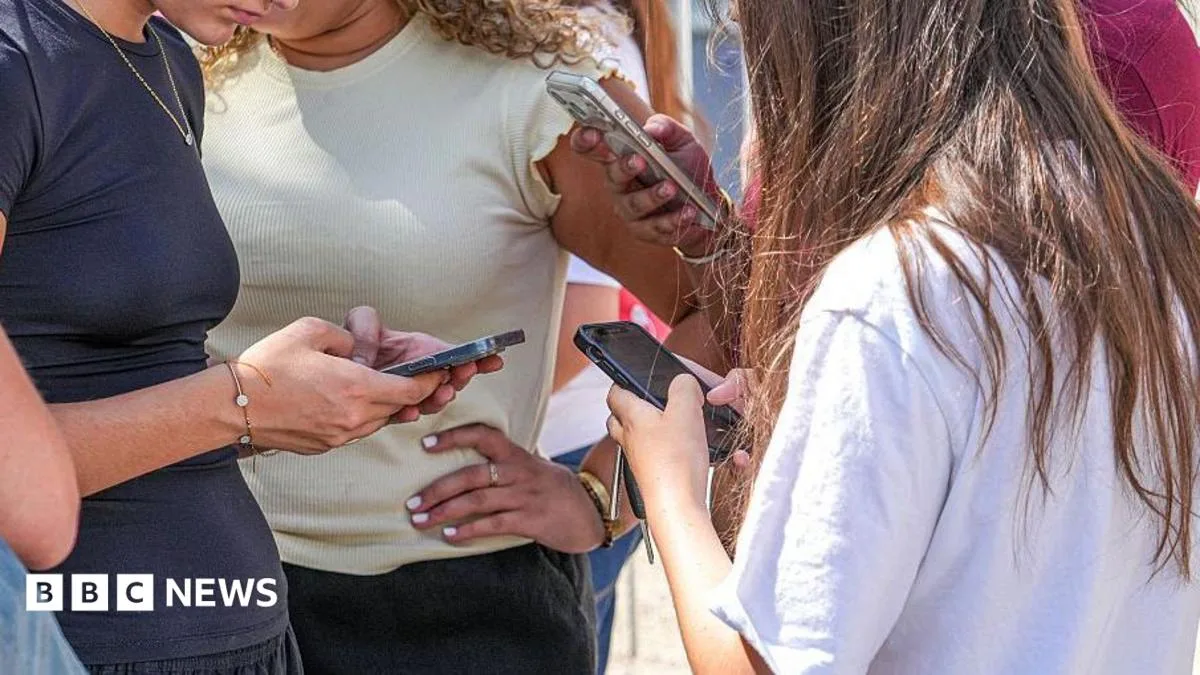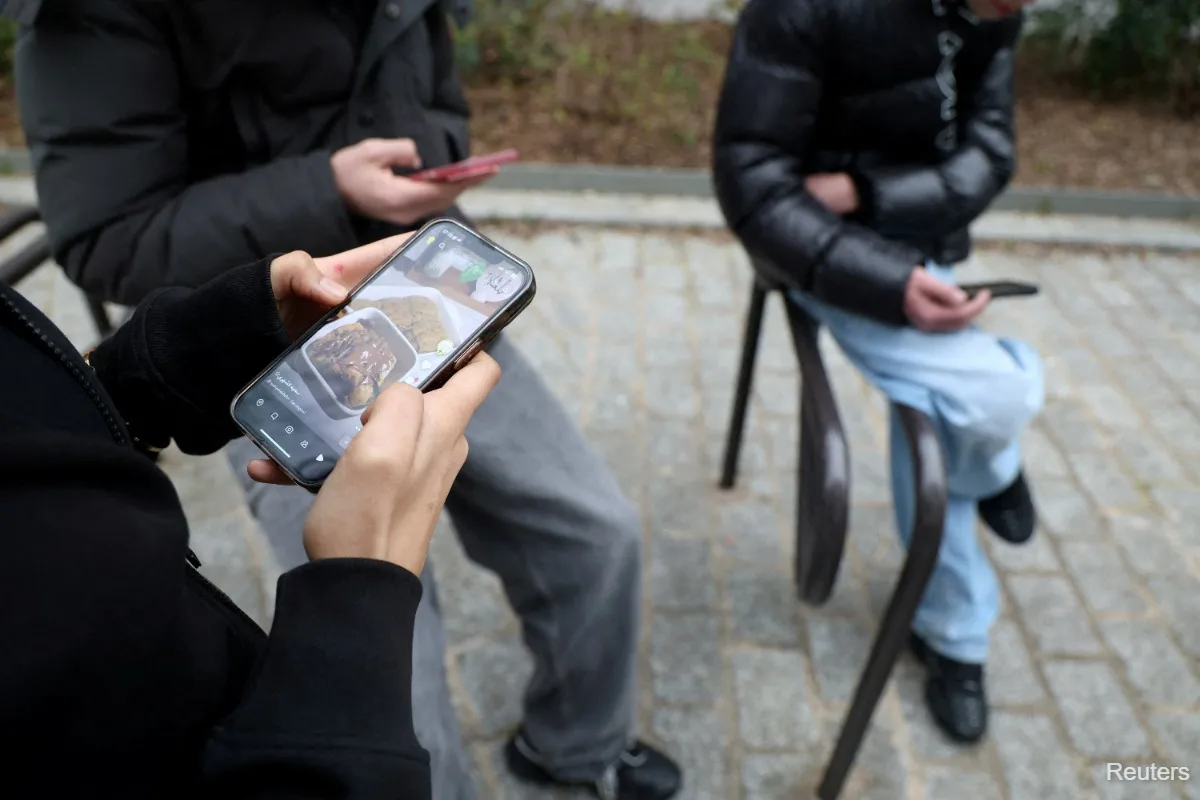
France’s Constitutional Council struck down a law that would have banned children under 15 from accessing social media, ruling it violated freedom of expression and privacy rights on August 14, 2026 [1, 2, 3]. The law, approved by French lawmakers on July 21, 2026, would have prohibited new social media accounts for under-15s starting September 1, 2026, and required closure of existing accounts by January 2027 or within four months [1, 3, 4, 5].
The council’s ruling focused on the law’s requirement for users to provide proof of age. It found the legislation lacked clear conditions and legal safeguards for data collection, violating privacy protections. The council said, "Article 1 of the legislation constitutes an infringement that is neither appropriate, necessary, nor proportionate to the freedom of expression and communication for under-15s" and criticized the absence of specified limits under which proof of age must be provided [1, 2].
French President Emmanuel Macron responded by ordering Prime Minister Sébastien Lecornu to prepare new draft legislation that addresses the council’s concerns and fits within the European legal framework [1, 3, 6]. Macron remains determined to implement a revised social media reform before the 2027 presidential election, aiming for early or spring 2027 [1, 2, 3]. Macron said he was "fully determined to see the ban take effect by spring" and asked Lecornu to work quickly on a legally robust proposal [7].
The original law made France the first European country attempting an under-15 social media ban, following Australia’s similar restriction for under-16s introduced in December 2025, which blocks access to platforms like Facebook, TikTok, and YouTube [1, 3, 4, 7]. Other countries including China, UAE, Turkey, Indonesia, Malaysia, and the UK have considered or enacted restrictions for young users [3, 4].
Social media companies generally oppose blanket bans, saying they already have age protections but would comply with government rules [3, 4, 7]. The council did not rule on a related mobile phone ban in high schools included in the same legislation [8].
Separately, the Constitutional Council upheld an assisted dying law also passed in July 2026 [9].
French lawmakers will now work on a revised social media law aimed for implementation before the next presidential election in early 2027 [1, 2, 3].