The Federal Trade Commission (FTC) and the states of Alaska, Iowa, Nebraska, and Texas filed a lawsuit against the World Professional Association for Transgender Health (WPATH) on June 17, 2026. They allege WPATH made misleading claims about the safety, effectiveness, and necessity of puberty blockers, cross-sex hormones, and sex reassignment surgeries for minors, and failed to disclose potential risks and side effects [1, 2].
The complaint notes that WPATH removed age-based recommendations for certain transgender procedures from its Standards of Care, which the FTC contends contributes to deceptive practices toward parents and doctors [2]. FTC Chair Andrew Ferguson said, "Parents have a right to make informed decisions about their children’s health. The FTC will not allow parents and children to be deceived by medical organizations and providers who are prioritizing profit over children’s health and safety" [1, 2].
WPATH, whose medical standards for gender-affirming care have guided care for over 50 years based on scientific evidence and patient-centered values, disputes the allegations. It argues the FTC is retaliating in a "relentless and targeted campaign to undermine gender-affirming care by attacking the First Amendment rights and the independence of professional medical organizations" [1]. WPATH emphasizes that its guidelines support individualized care rather than one-size-fits-all approaches [1, 2].
The lawsuit is part of a broader effort that began under the Trump administration to restrict gender-affirming care for transgender minors. WPATH had previously sued to block an FTC investigation on First Amendment grounds; a federal judge temporarily halted that investigation in May 2026 [1, 2].
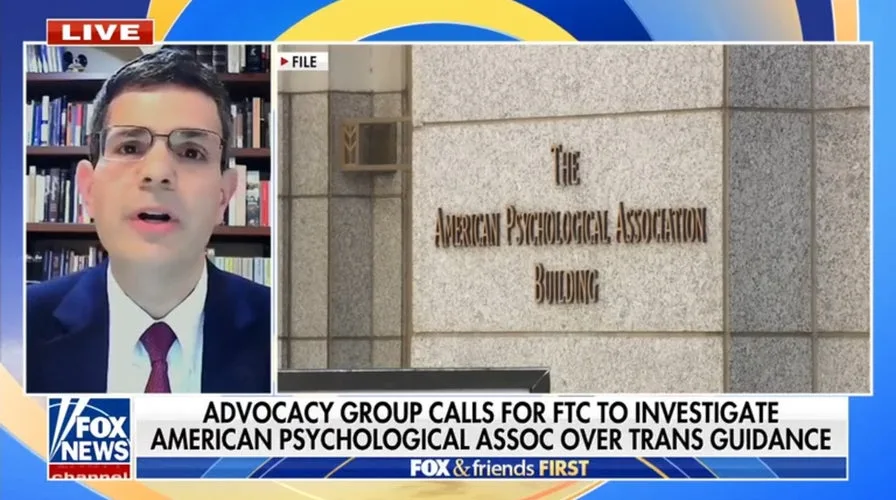
The FTC has also opened investigations into the American Academy of Pediatrics and the Endocrine Society over their gender-affirming care guidelines, and both organizations have subsequently sued the FTC [1].
The legal proceedings stemming from the FTC’s June lawsuit are expected to continue through the coming months, with next court hearings to determine the merits of the claims and any possible injunctions against WPATH.