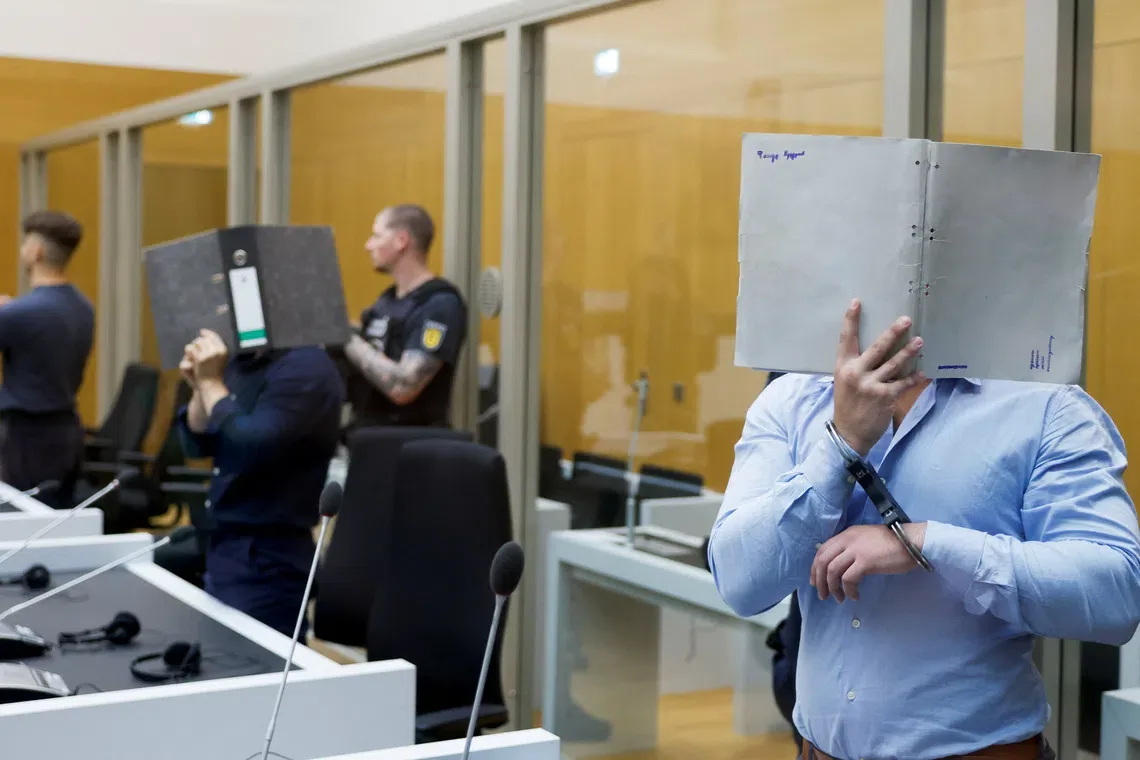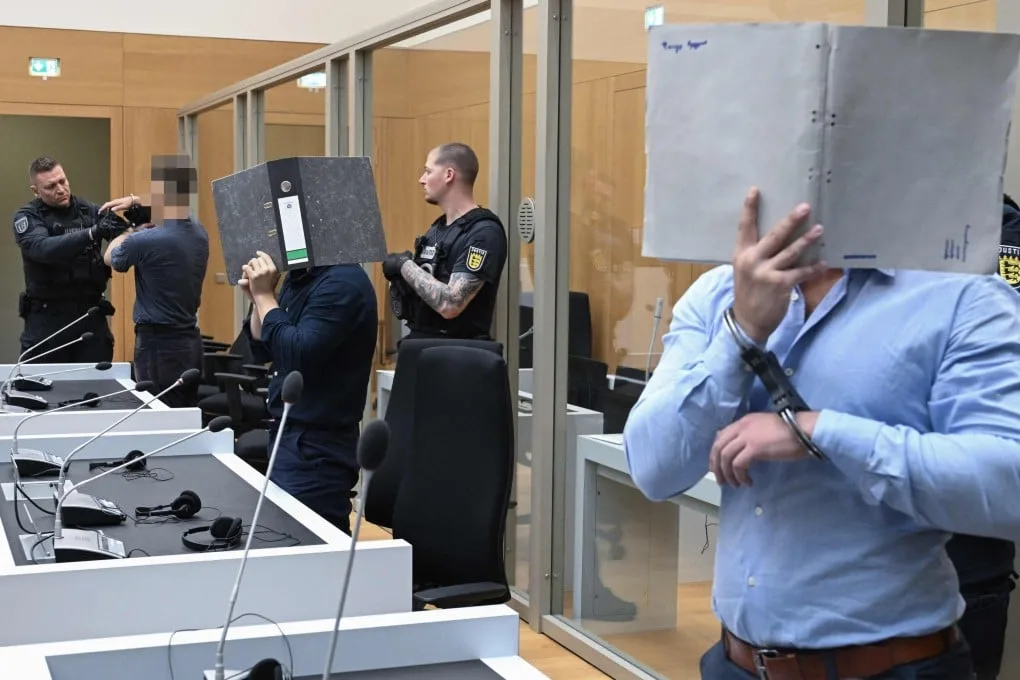
A court in Stuttgart convicted a 30-year-old Ukrainian man on August 18, 2026, for participating in a sabotage operation linked to Russian intelligence, sentencing him to one year and three months in prison [1, 2, 3]. The court said he "intentionally participated in scouting potential sabotage targets for a Russian state entity," aiming to disrupt transport and infrastructure [1, 2].
Two other Ukrainian defendants, aged 22 and 25, were acquitted due to insufficient evidence of knowing involvement in the plot [1, 2, 3]. Prosecutors said the accused planned to send two parcels from Germany to Ukraine in March 2025 containing GPS trackers and spare auto parts to map logistics routes and identify targets for future sabotage [1, 2, 3].
Officials described the parcels as test shipments meant to gather intelligence for incendiary attacks designed to cause extensive damage and undermine public confidence in security [1, 3]. Prosecutors said the packages were intended to catch fire "in Germany or otherwise on the way to parts of Ukraine," aiming at "the greatest possible damage" [3].
German authorities called the convicted man a likely untrained civilian "throwaway agent," recruited through social media or Telegram to conduct low-level surveillance and sabotage [3]. The operation was directed by a Russian state entity, with instructions relayed via intermediaries in Russian-occupied Mariupol [1, 2, 3].
The main defendant was arrested in Switzerland in May 2025 along with two others and extradited to Germany in December 2025 [2, 3]. Earlier this month, German officials found an explosives-carrying drone at Leipzig/Halle Airport, which Interior Minister Alexander Dobrindt labeled a hybrid attack without assigning blame [1].
European governments have repeatedly accused Russia of a sustained sabotage campaign since its 2022 invasion of Ukraine, a charge Russia denies [1]. The convicted man and prosecutors may appeal the ruling [1].