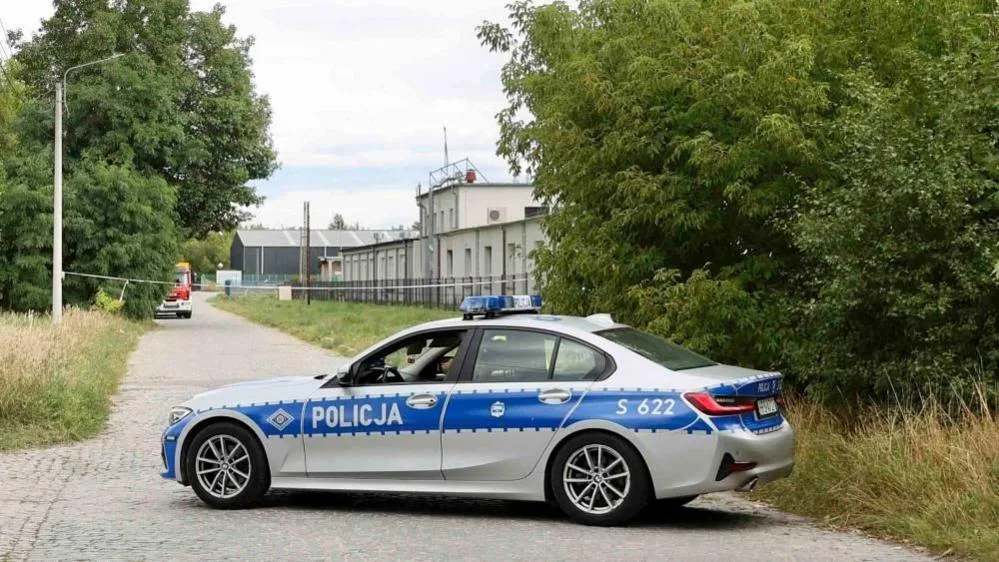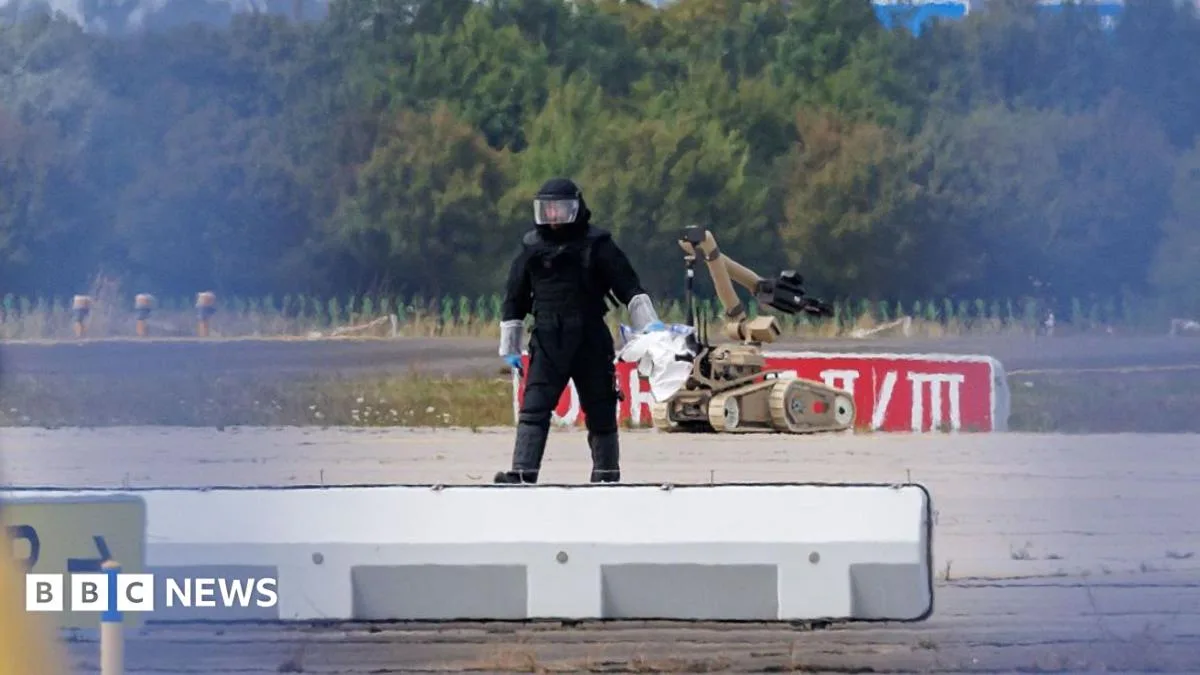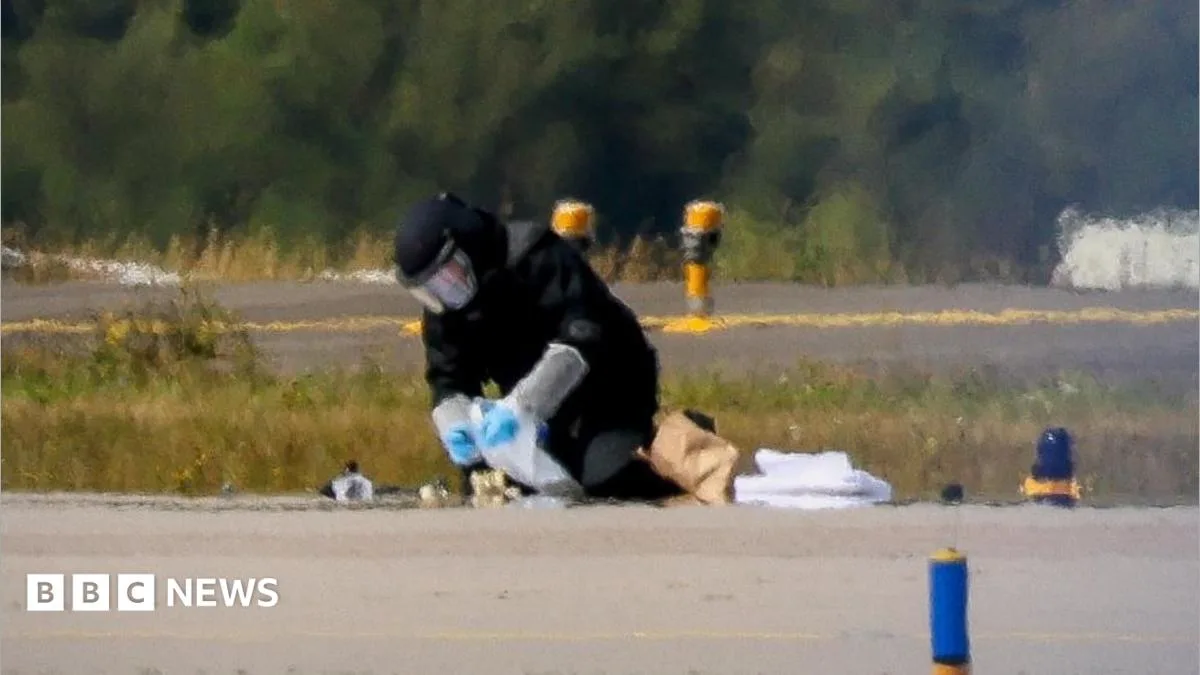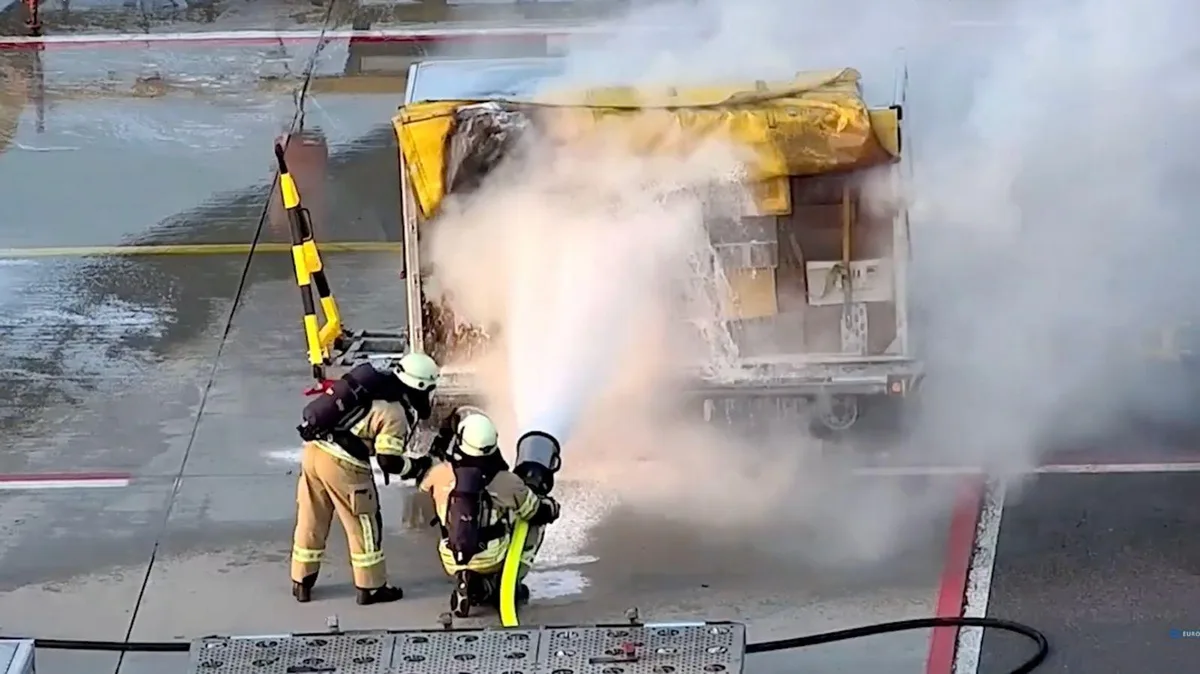
German officials confirmed that on August 4, 2026, a drone loaded with explosives was found at Leipzig/Halle Airport attached to a Ukrainian cargo plane but failed to detonate due to a faulty detonator [1, 2, 3, 4, 5]. A second drone reportedly collided with a cargo aircraft nearby, while a third explosive drone was discovered at the same airport ten days later [1, 2, 4].
German Interior Minister Alexander Dobrindt stated, "Taken together, police investigations, patterns of the offences and intelligence findings establish Russian responsibility for the attempted attack at Leipzig Airport" [6]. Foreign Minister Johann Wadephul added, "We are not at war, but we are a daily target of hybrid warfare" [3, 4]. Authorities identified two suspects linked to the incident: one Belarusian with Russian passport who entered on a tourist visa, and another holding Latvian and Russian passports who departed two days before the attack [2].
The drones’ design and explosives match previously documented Russian hybrid warfare tactics, according to investigators [1, 2, 4, 5]. The attack fits into a wider series of Russian sabotage operations targeting European defense and industrial sites between early and late August 2026 [7, 8]. These include fires and explosions at firms in Bulgaria, Italy, Estonia, and a foiled arson attack in Slovakia [7].
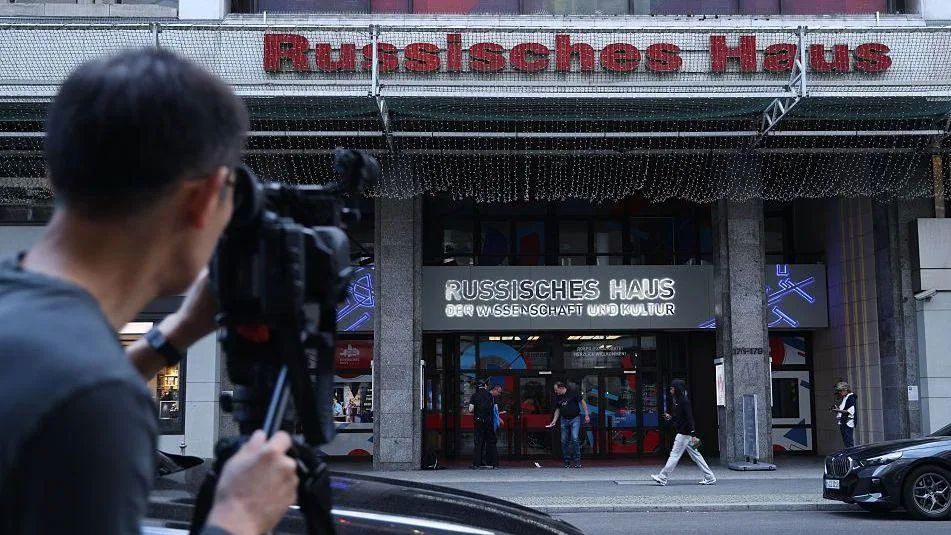
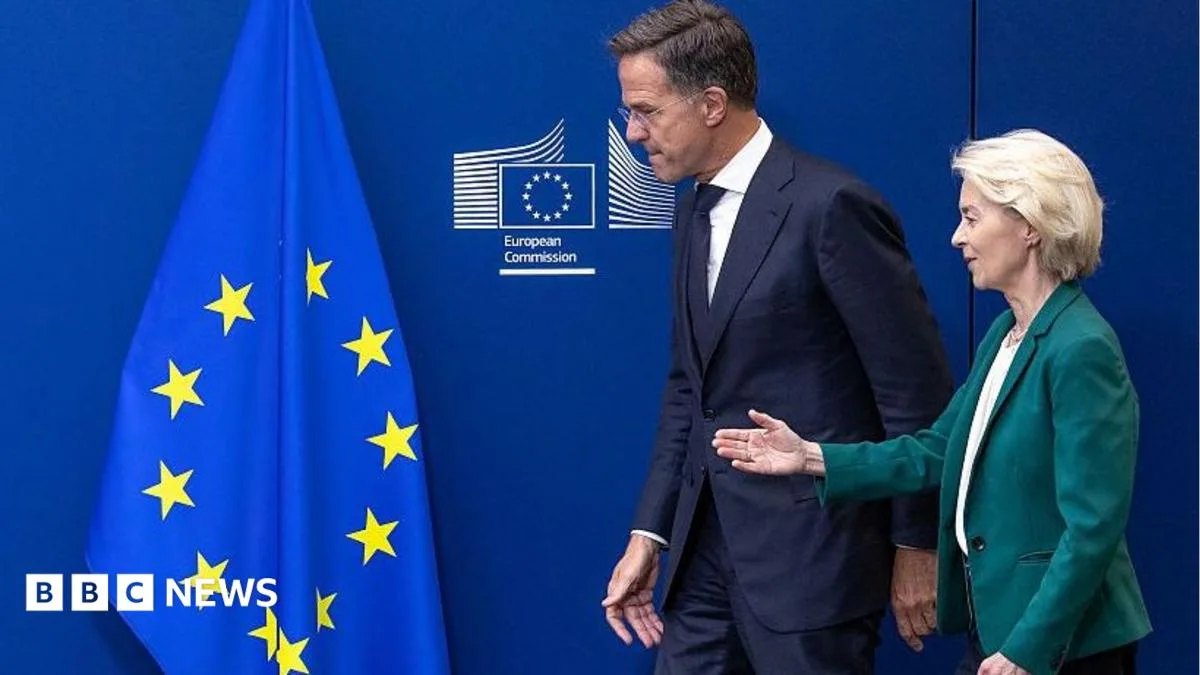
Germany responded by closing the Russian consulate in Bonn and shutting down the Russian House cultural center in Berlin, accused of espionage and propaganda activities [1, 2, 6, 3, 4]. It also plans to push the European Union for new sanctions and travel restrictions on Russian nationals while increasing pressure on Russia’s "shadow fleet" operating in the Baltic and North Seas [2, 6, 3, 8, 4]. European Commission President Ursula von der Leyen said, "Leipzig marks a new escalation on European Union soil directly attributed to Russia. We have to step up and that means being ready to respond to Russia’s recklessness faster and better" [2]. EU Foreign Policy Chief Kaja Kallas described the attacks as having "all the hallmarks of state-sponsored terrorism" and vowed a resolute response [8].
Russia denied all accusations, calling them "absurd, unsubstantiated and contrary to common sense," and criticized Germany’s actions as "an unprecedented escalation in Russian-German relations" [9, 10]. In retaliation, Moscow announced the closure of Germany’s Goethe-Institut branches in Moscow, St. Petersburg, and Yekaterinburg [10].
The UK and NATO expressed full solidarity with Germany and condemned the attack as part of Russia’s broader hybrid warfare campaign [2, 3, 11]. Germany emphasized that its responses are proportionate and measured despite calls from some critics for stronger EU-led measures [2, 3, 4].
Germany plans to close its consulate in Bonn by September 18, 2026, as part of the ongoing diplomatic fallout from the incident [3, 4].