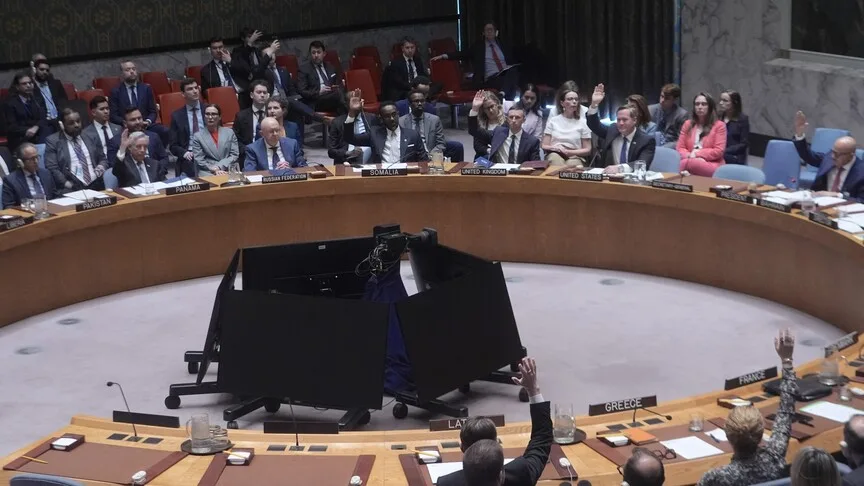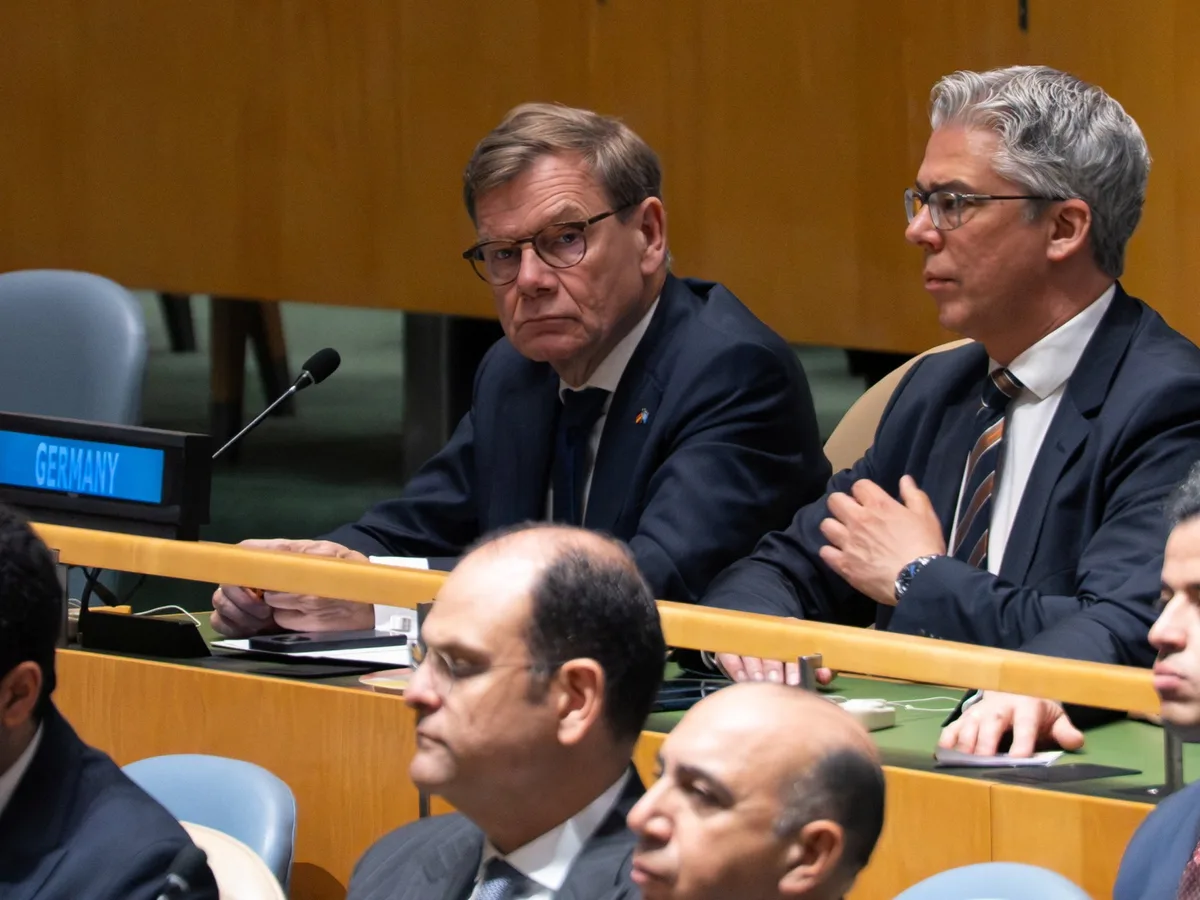
Germany lost its bid for a nonpermanent seat on the United Nations Security Council for the 2027-2028 term, falling short in the June 3 General Assembly vote against Portugal and Austria [1]. The country received 104 votes, below the two-thirds majority threshold of 127 votes needed to win the seat allocated to the Western Europe and Others group [2, 1]. Portugal secured 134 votes and Austria 131 votes, winning the two available seats for the group [1].
This marks the first time Germany has failed to win a rotating Security Council seat after decades of consistent success [2, 1]. Foreign Minister Johann Wadephul and Chancellor Friedrich Merz led Germany’s campaign, with Wadephul meeting roughly 80 ministers and ambassadors in late May and early June to lobby for Germany’s candidacy [2]. Despite these efforts, Wadephul acknowledged that Germany’s firm backing of Ukraine and Israel worked against it. He said, “We have always taken a clear stance on certain issues, and these are positions that not all member states share. ... The fact that Russia does not want such a voice at the Security Council” contributed to the defeat [2].
Analysts noted Germany’s unwavering support for Israel amid war crimes allegations in Gaza damaged its standing among some UN members [1]. Domestically, politicians called the outcome an embarrassment. Alice Weidel, co-leader of the far-right Alternative for Germany, said simply, “This result is an embarrassment” [2]. Adis Ahmetovic, foreign policy spokesman for the Social Democratic Party, described the vote as “a gauge of how [Germany] is perceived internationally” [2].
Germany’s failure reflects tension between its foreign policy positions and the preferences of many UN member states. The General Assembly vote on June 3 confirmed Portugal and Austria as the council members representing the Western Europe and Others group for 2027-2028 [1].