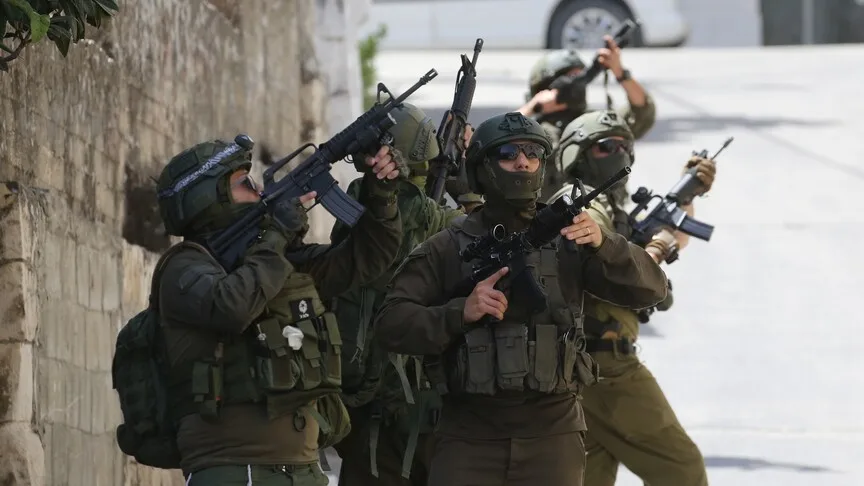
Israeli Prime Minister Benjamin Netanyahu ordered the military to expand control over the Gaza Strip to 70%, up from about 60% earlier in 2026 and 53% after an October 2025 ceasefire, officials said [1, 2]. Netanyahu said, "We currently control 60% of the Gaza Strip, and my directives are to move toward controlling 70%." He added, "We were at fifty, we moved to sixty. Let’s start with that. We’re pressing them [Hamas] from all sides. We’ll deal with the remnants." [1, 2]
The ceasefire brokered in October 2025 required Israel to pull back behind a so-called 'Yellow Line', limiting Israeli control to roughly 53% of Gaza [1, 2]. Since then, Israeli forces expanded their hold to 60% before the latest order was issued in late May 2026 [1, 2].
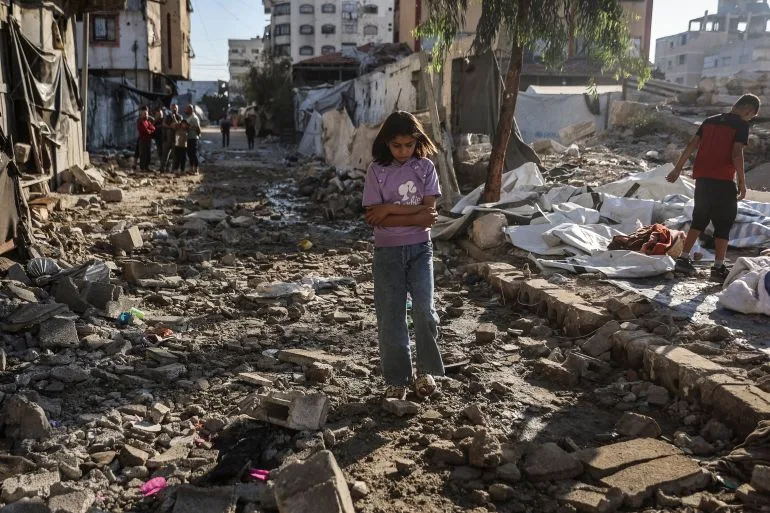
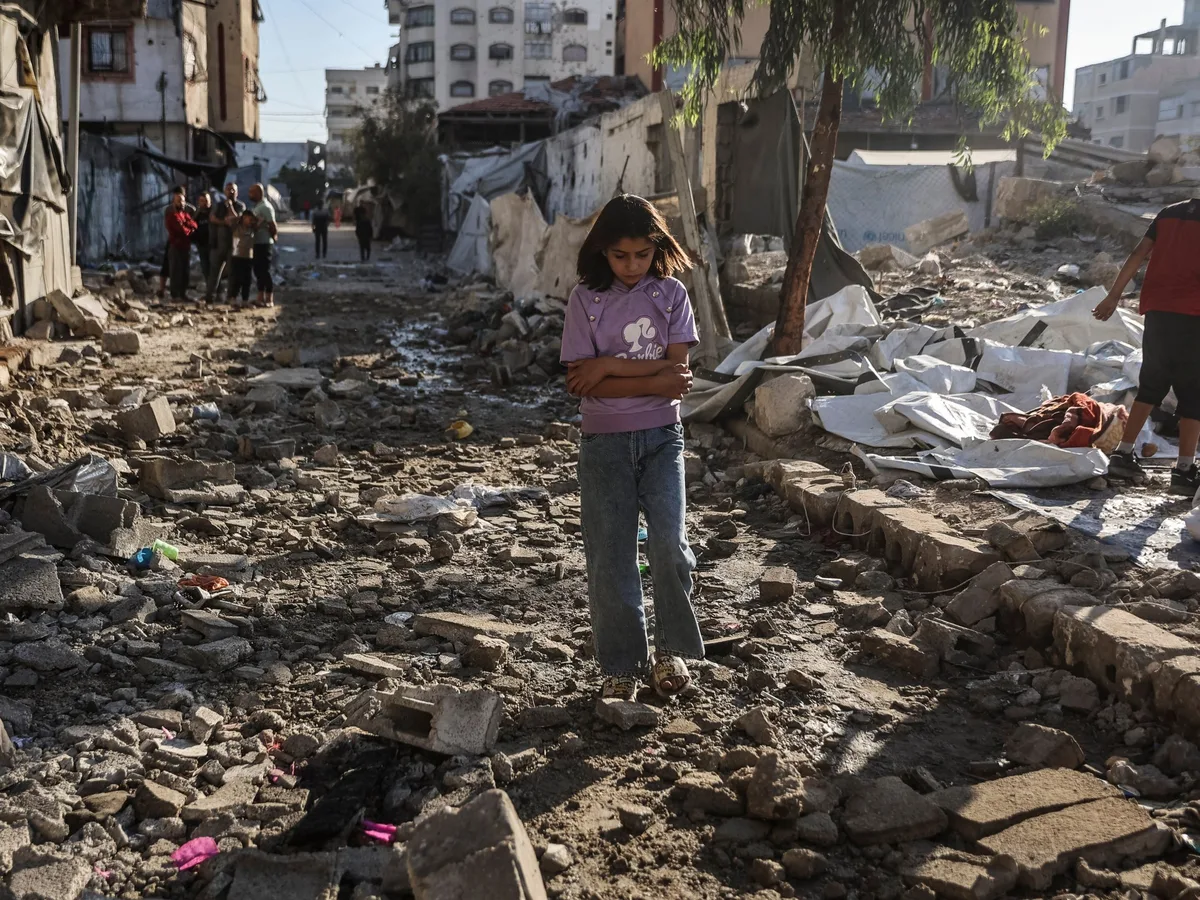
Germany publicly voiced strong concerns on May 29 over the planned expansion. A German Foreign Ministry spokesperson, Kathrin Deschauer, said, "We view these announcements and the reports about them with concern, and if this were to happen, it would complicate our efforts—particularly the provision of further vital humanitarian aid, especially for the population." She stressed that Gaza's 2.3 million residents live in roughly 35% of the enclave's territory, which would be further compressed if Israeli control expands [1, 2].
Deschauer added, "It is the position of the federal government and the foreign minister that a division of Gaza cannot be permanent and must not be cemented." She also said the plans would conflict with Germany’s support for a 20-point peace plan and called on all parties to adhere to it [2].
Israeli Defence Minister Israel Katz spoke recently about efforts encouraging "voluntary emigration" of Palestinians, a phrase viewed by critics as a euphemism for forced displacement [1].
The German government opposes any permanent division or annexation of Gaza and warned that increased Israeli control would complicate the delivery of humanitarian aid to civilians living in the reduced territory [1, 2].
Netanyahu’s directive was issued around May 28 or 29, 2026. Germany responded publicly on May 29, urging restraint and adherence to peace plans [1, 2].