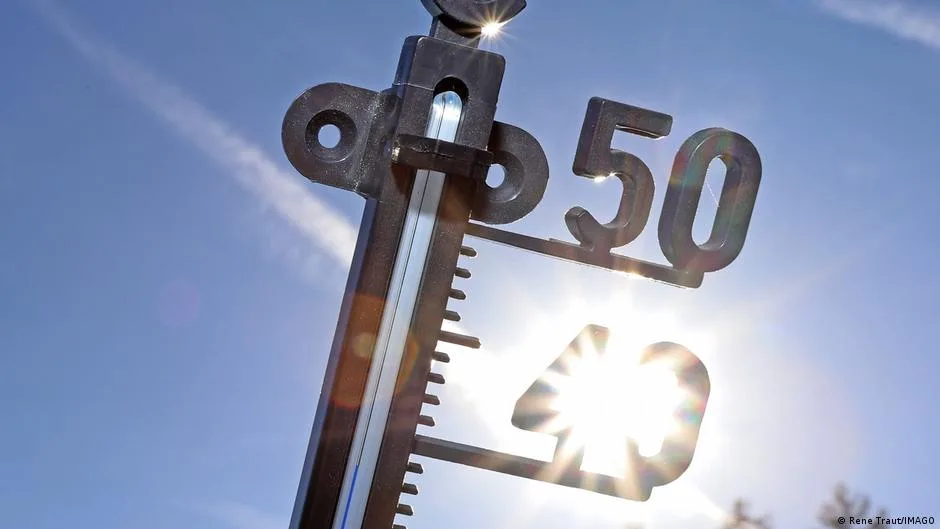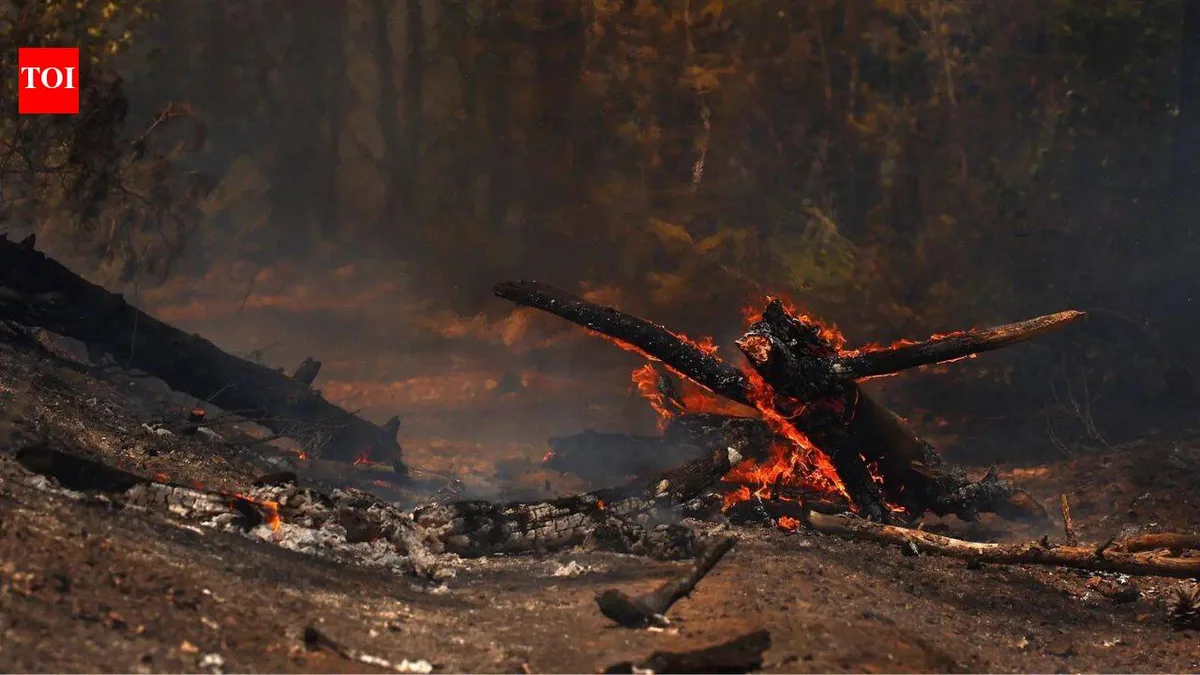
The Robert Koch Institute (RKI) estimated that approximately 12,500 deaths in Germany from April 6 to August 2, 2026, were linked to high summer temperatures [1, 2]. The deadliest period was the week of June 22-28, when about 9,600 heat-related deaths occurred in Germany alone, coinciding with a major European heatwave [1, 2].
This late June heatwave caused an estimated 16,000 excess deaths across northern Europe, including Germany, France, and Belgium, marking one of the deadliest heat events in recent history [3]. The mortality spike from the heatwave exceeded typical excess deaths seen during winters in Europe [3]. On August 14, ongoing extreme heat saw Brussels record its hottest day ever at 35.9°C [3].
Uwe Janssens, medical official of Germany's inter-disciplinary intensive care society (DIVI), said the actual number of heat-related deaths is likely several thousand higher than reported. He noted many death certificates list organ failure rather than heat as cause of death, causing underestimation [1, 2]. Janssens criticized federal and state governments for inadequate heatwave preparedness and called for binding national heat protection plans and more funding for hospital cooling infrastructure [1, 2]. He added, "As an ordinary citizen, I am extremely unsettled by the inaction of federal and state governments. People do not only die from heat, but ultimately also from social neglect" [1]. Janssens highlighted France's strategy of proactively contacting high-risk individuals as a model for reducing heat deaths [1, 2].
Elderly people living alone and those with underlying health conditions remain especially vulnerable to heat-related risks [1, 2]. The RKI's estimates cover the main months of the 2026 European heat season but Janssens's warnings suggest death tolls may rise if preparations and social support do not improve.
The data paints a stark picture of the season through early August, with the June peak a particular tragedy for Germany and neighboring countries. Further monitoring of heat impacts and public health responses is expected as summer continues across Europe.