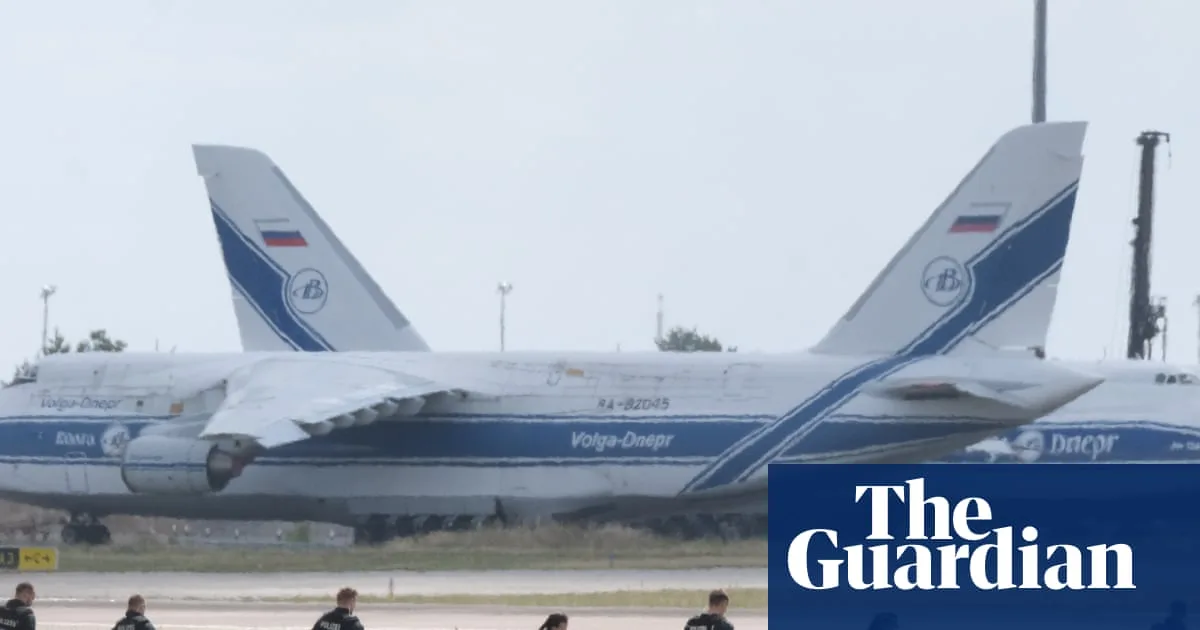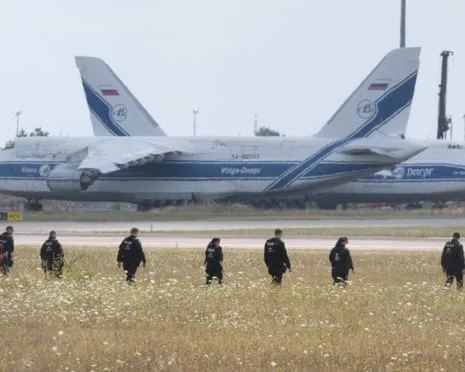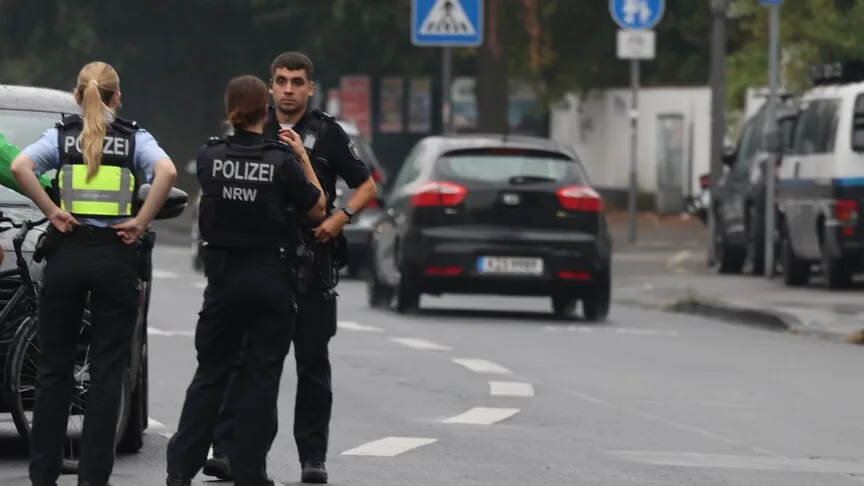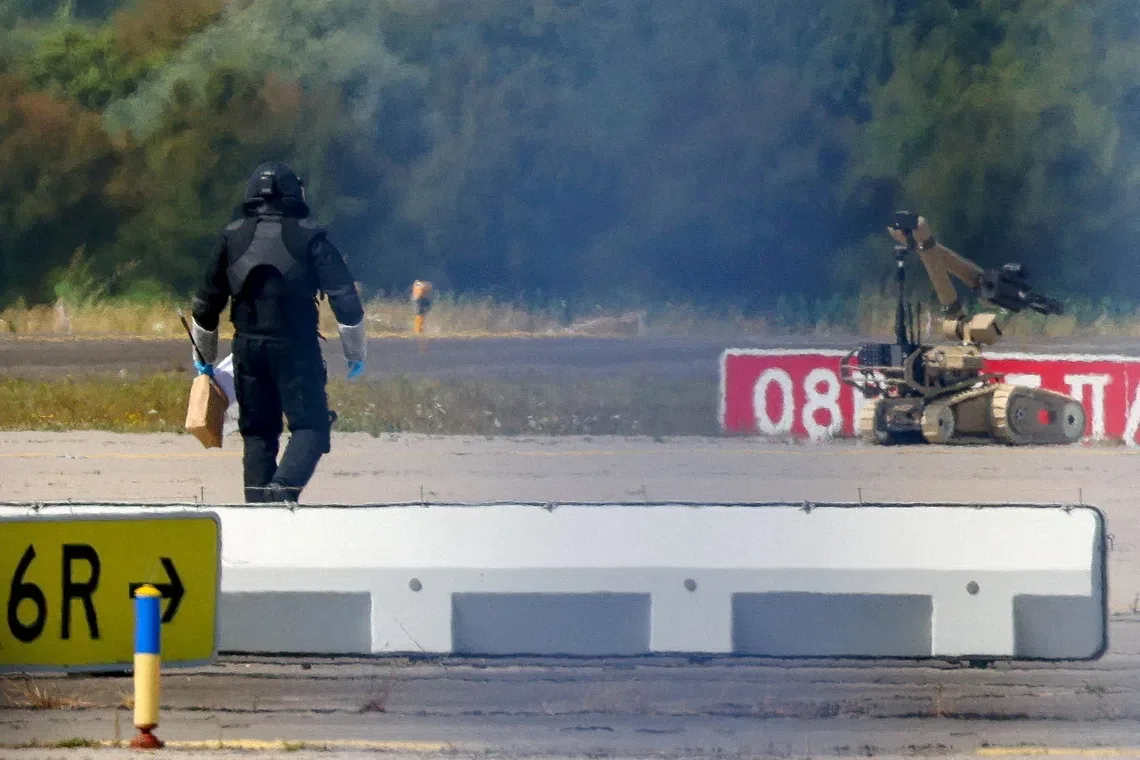
German officials on September 2 accused Russian intelligence services of orchestrating a failed drone attack on a Ukrainian Antonov cargo plane at Leipzig/Halle airport on August 4, 2026. The drone, equipped with explosives that did not detonate, was discovered near the plane before departure [1, 2, 3].
About 20 minutes after the first drone was found, a second drone collided with a DHL cargo plane forcing it to divert, and a third drone was recovered near the airport [1, 2].
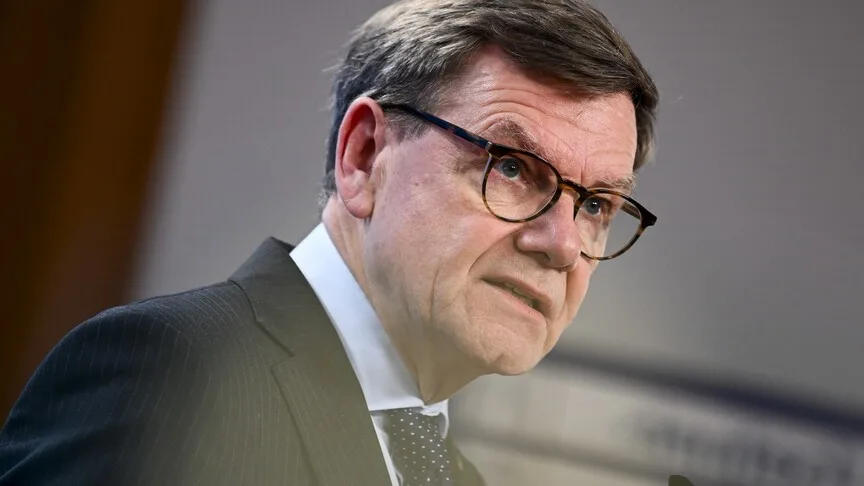
At a news conference, Interior Minister Alexander Dobrindt and Foreign Minister Johann Wadephul formally attributed the attack to Russian operatives [2]. Chancellor Friedrich Merz said the government had reached "a broad agreement" on its response and warned, "They will pay for this" [1].
Two suspects connected to Russia were identified. One is a Russian-born man holding a Latvian passport described as a logistician and instructor. He entered Germany via Berlin Brandenburg Airport in late July, traveled toward Leipzig, and left the country two days before the attack. Investigators linked him to Russian intelligence [3].
The second suspect is a Belarusian national with a Russian passport. DNA evidence from drone parts and remote-control equipment led to him. He has a criminal record in multiple countries [3].
In response, Germany announced sanctions against Russia, including closing the Russian Consulate General in Bonn by September 18, 2026, and expelling Russian diplomatic staff [3].
Russia denied involvement, calling the accusations "fabricated, unproven, absurd, and politically motivated." Russian Ambassador Sergey Nechayev described the allegations as a "hastily concocted provocation" serving the interests of Kyiv and European militarist groups [1, 4, 2, 3].
Investigations into the attack continue, with German officials signaling further actions in the coming days [1].