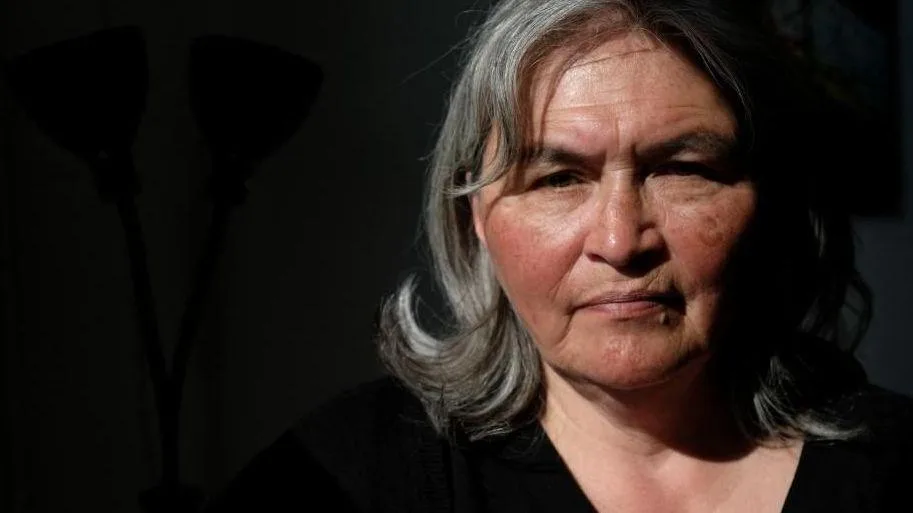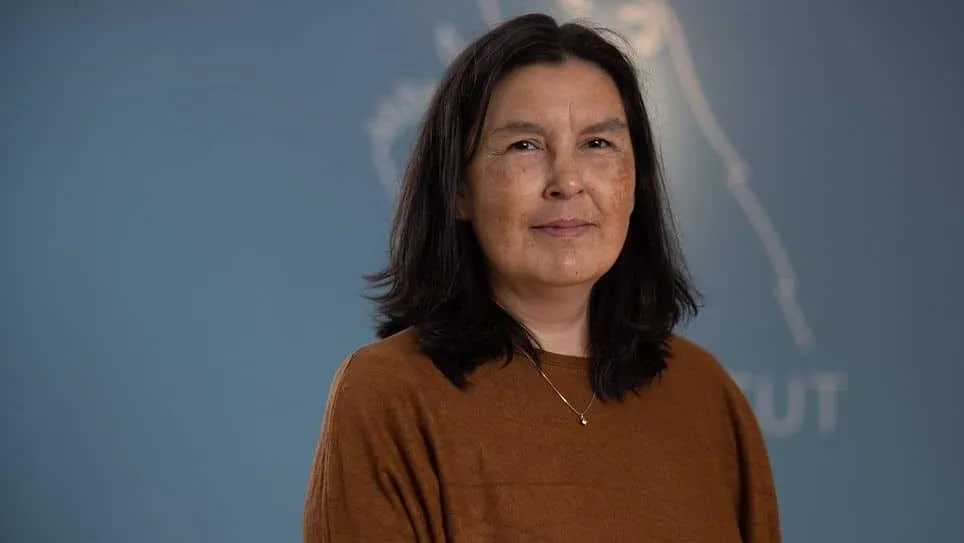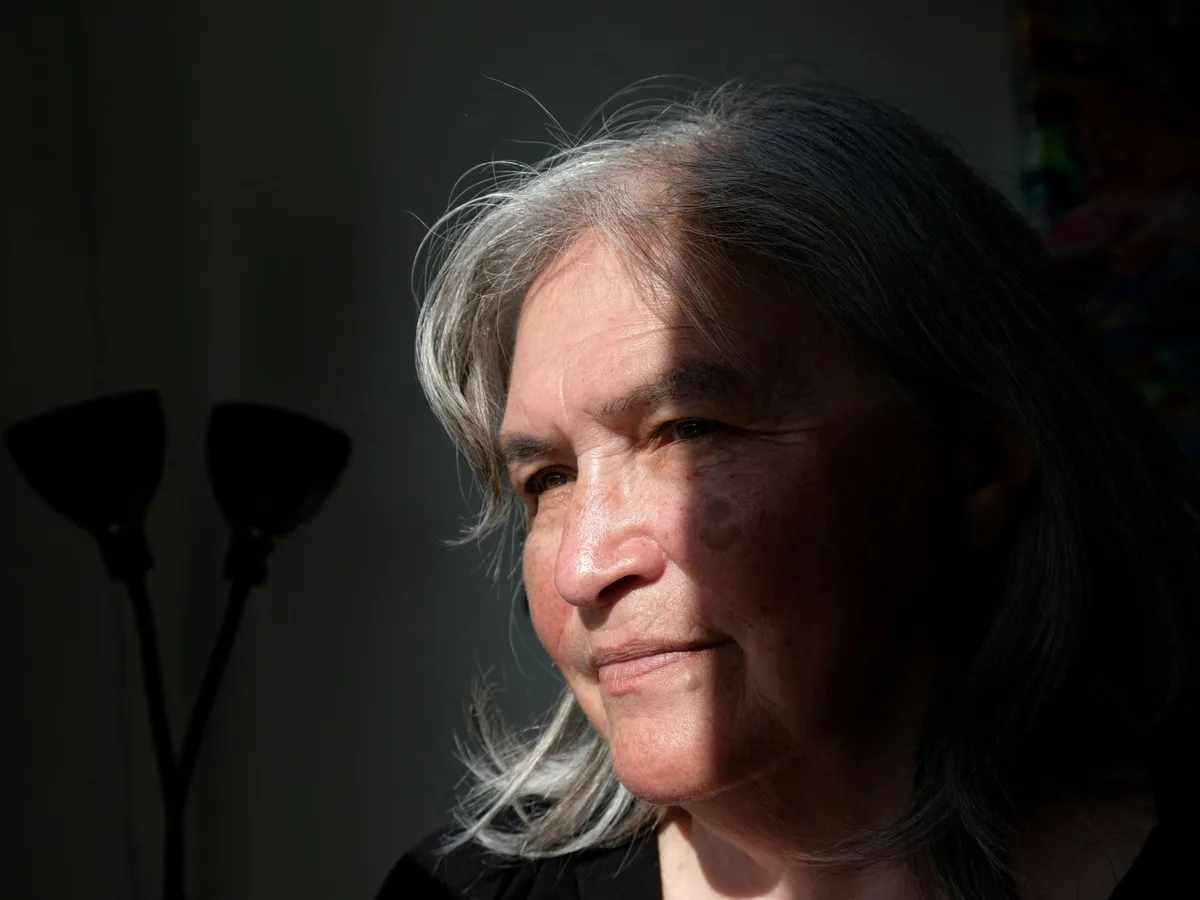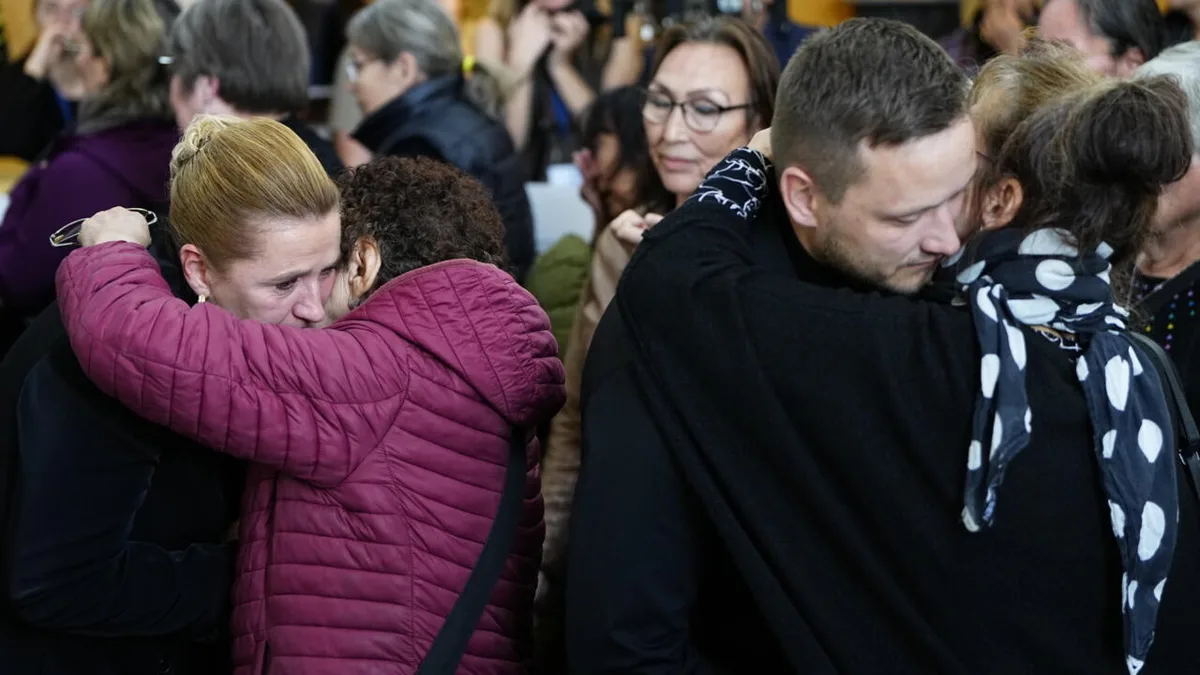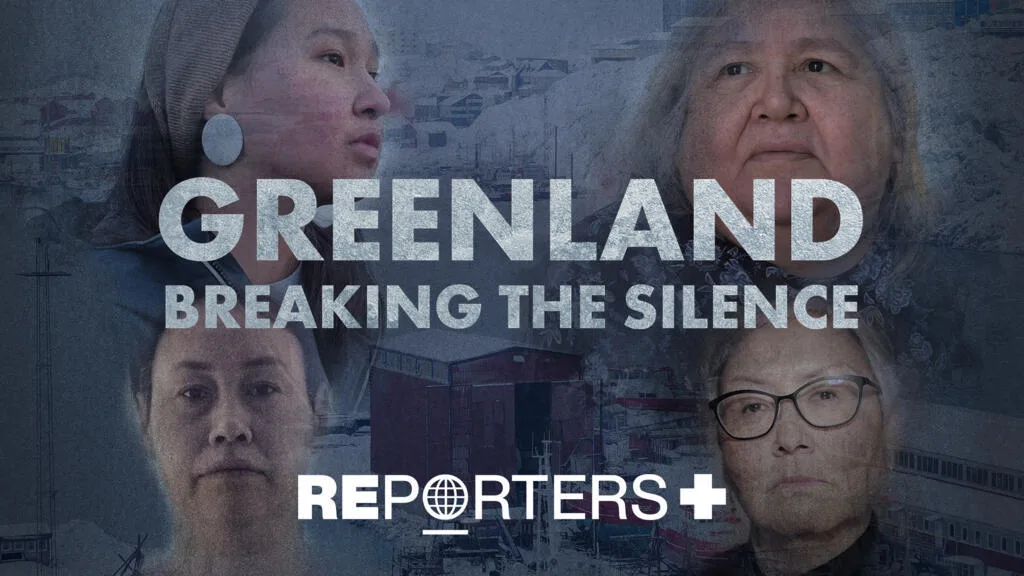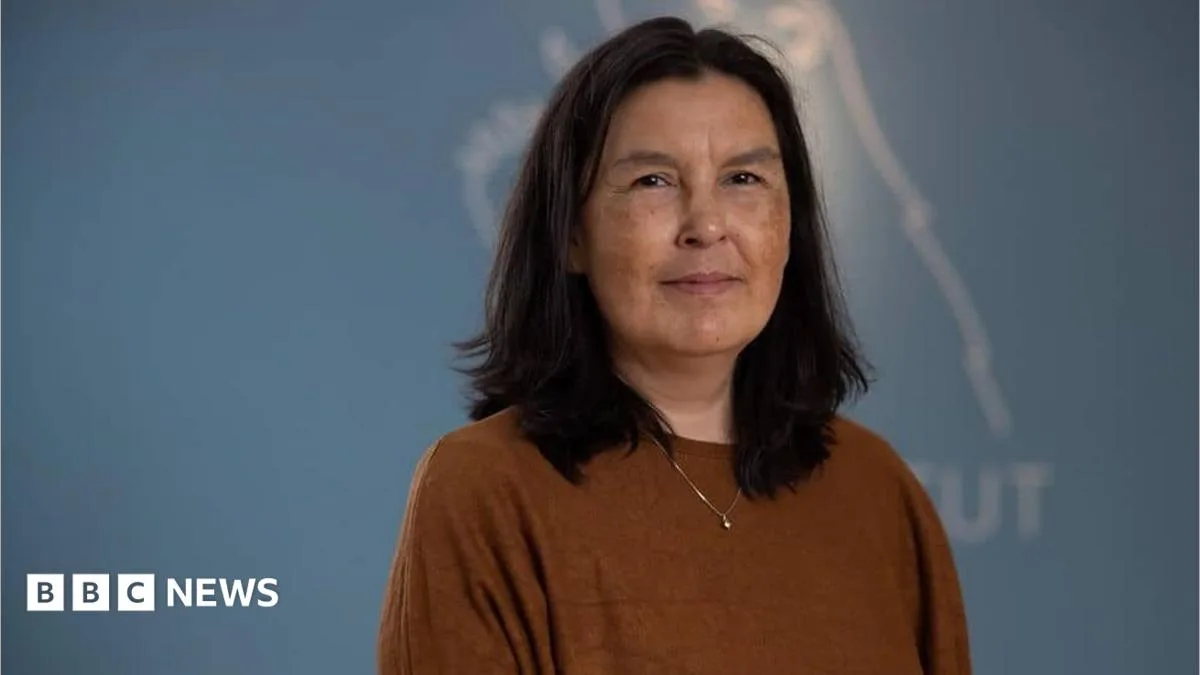
From the 1960s through the 1990s, more than 4,000 Greenlandic women and girls, some as young as 12 or 13, were subjected to intrauterine devices or contraceptive injections without their knowledge or consent [1, 2, 3, 4]. The campaign, run by Danish authorities, aimed to reduce birth rates and family sizes to improve social conditions in Greenland [1, 2, 4]. This widespread practice had a severe impact on Greenland's population of about 57,000 at the time [2, 4].
In 2024, a four-member expert commission was tasked with investigating these forced contraception policies [1, 2, 3, 4]. The following year, a joint Danish-Greenlandic inquiry confirmed the scale of the abuse, verifying that thousands of women and girls were affected without informed consent [2, 4].
Two expert reports released on August 28, 2026, concluded that the forced contraception violated women's human rights and Indigenous peoples' rights but did not reach a unanimous decision on whether the practices constituted genocide [1, 2, 3, 4]. The panel fractured during its investigation, with two members resigning to produce a separate report [1, 2, 3, 4]. Justice Minister Marianne Paviasen said, "We cannot say, on behalf of the government, whether there was genocide. This is something we can continue to debate" [1].
Greenlandic Prime Minister Jens-Frederik Nielsen announced the creation of a Truth and Reconciliation Commission to "begin the healing process" and focus on uncovering the truth rather than assigning blame. He said, "The work of the reconciliation commission should not be about assigning blame, but about uncovering the truth with a view to genuine reconciliation, which will create the future we desire as a society" [2, 3]. Danish Prime Minister Mette Frederiksen promised cooperation with Greenland, stating, "We will handle the political process together with the government of Greenland. The most important thing for me is that we find the right path together" [3, 4].
A Danish compensation law provides 300,000 Danish crowns (approximately £34,400 or $46,800) to each affected woman [1]. However, victims and Greenlandic political groups have criticized the lack of Inuit representation on the commission and called for the genocide question to be settled by an independent international court [3, 4].
The Truth and Reconciliation Commission marks the latest step in addressing decades-old abuses and is set to lead Greenland’s efforts at societal healing on the issue.