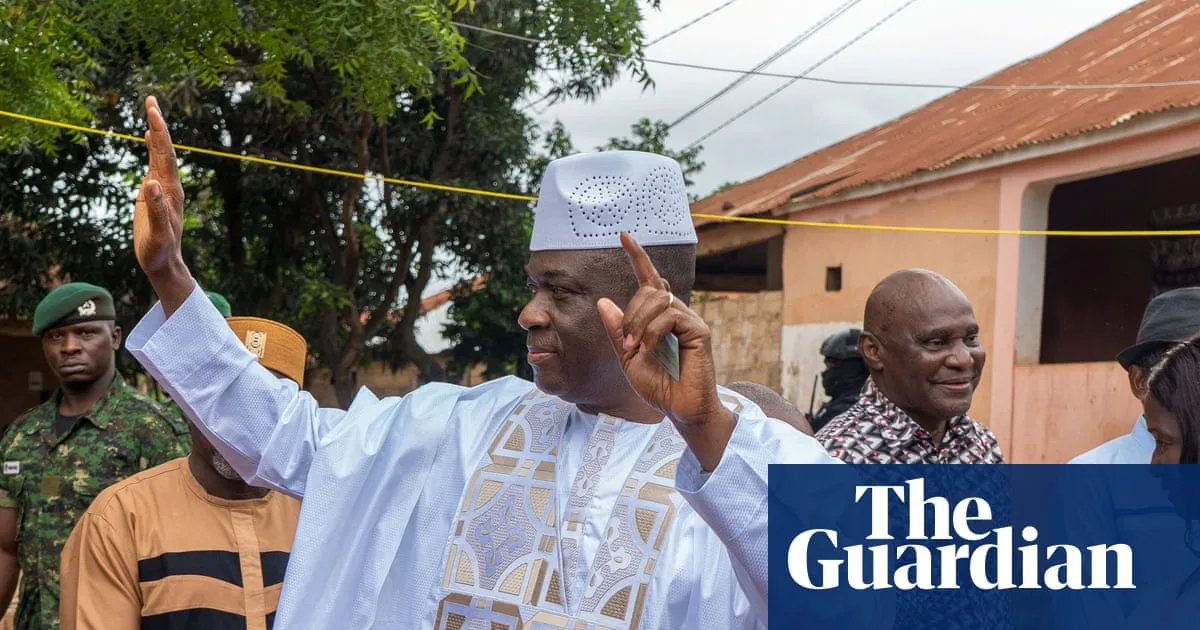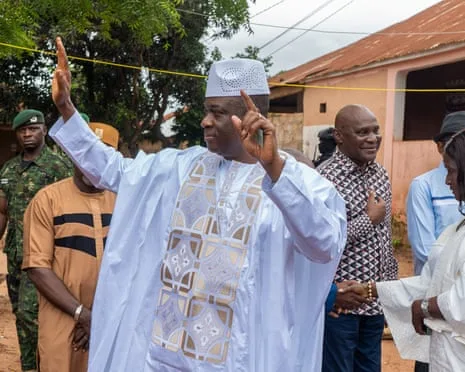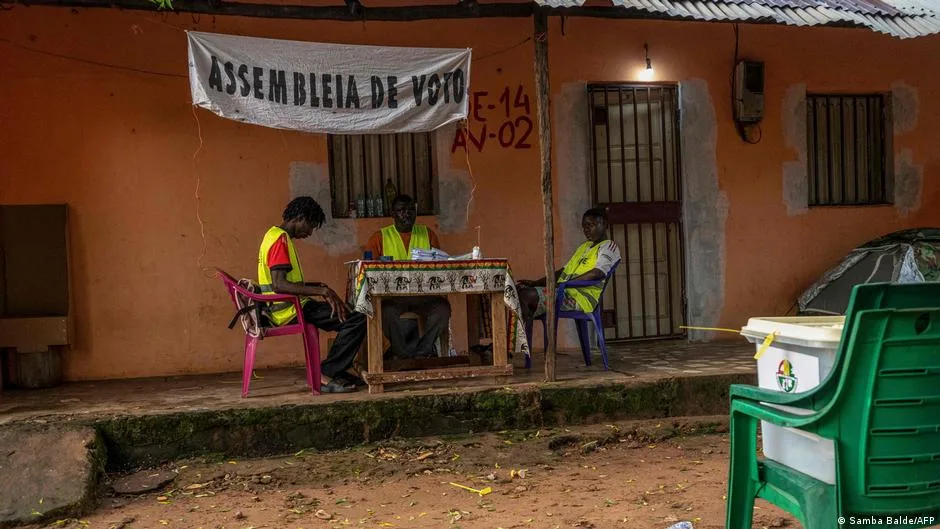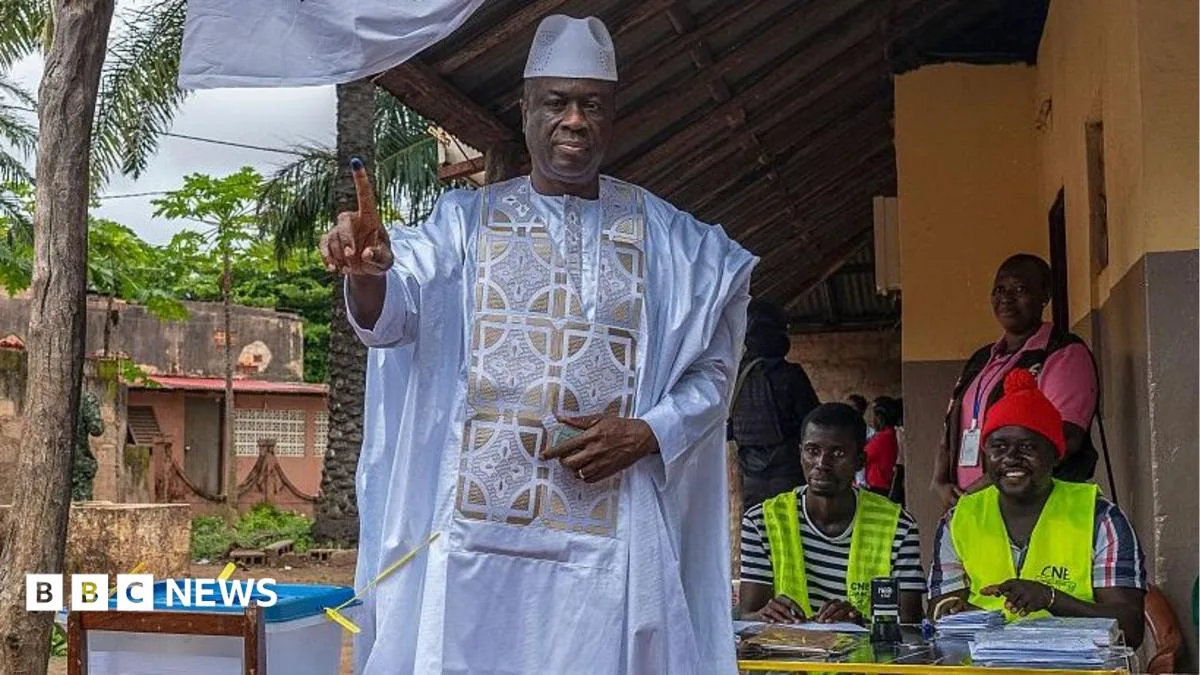
Guinea-Bissau voters approved a new constitution in a referendum on Sunday, August 30, 2026, which significantly increases the powers of the president ahead of general elections scheduled for December 6, 2026 [1, 2, 3]. The referendum was organized by the military government that seized power in November 2025 after disputed presidential elections [1, 2, 3].
Provisional results show about 70% of voters supported the constitutional changes, with turnout estimates ranging from just over 50% to nearly 60% according to different sources [1, 2, 3]. The new constitution grants the president authority to appoint and dismiss the prime minister and cabinet, create or abolish ministries, and dissolve parliament in a grave political crisis, shifting power away from the prime minister [1, 3]. Parliamentary seats will be reduced from 102 to 65, and electoral constituencies cut from 29 to 12 [1, 2, 3]. Presidential candidates must now have lived continuously in Guinea-Bissau for five years before elections; the presidential term remains five years with a two-term limit [1, 2].
The main opposition, the African Party for the Independence of Guinea and Cape Verde (PAIGC), boycotted the referendum and rejected its legitimacy, calling it a continuation of the November 2025 coup. PAIGC leader Domingos Simões Pereira said, "What will happen on 30 August is the continuation of the coup d’état carried out on 26 November" [1, 2, 3]. Meanwhile, the military and transitional authorities defended the changes as needed for stability and avoiding political conflicts. Transitional council head Na Man said, "What we want after this referendum is to allow whoever wins the elections to see out their mandate without hindrance" [2].
Turnout figures varied between sources. One reported nearly 60% turnout [1], while others placed it just over 50% or around 55% [2, 3]. NEC chairperson Carmen Izaura Lobo hailed the referendum as a success due to strong organization and dedication, stating, "The referendum was a success due to the organizational capacity, professionalism and dedication of teams on the ground" [3]. However, Fernando Dias Costa, a challenger in the 2025 elections, criticized low participation and questioned the constitutional nature of the changes: "Very few citizens took part in this referendum. They are not prepared to simply accept political changes that are clearly unconstitutional" [3].
The military staged a coup in November 2025 following disputed presidential elections, establishing a transitional governing council that has since overseen political reforms [1, 2, 3]. The next scheduled steps are the presidential and parliamentary elections under the new constitution, set for December 6, 2026 [3].