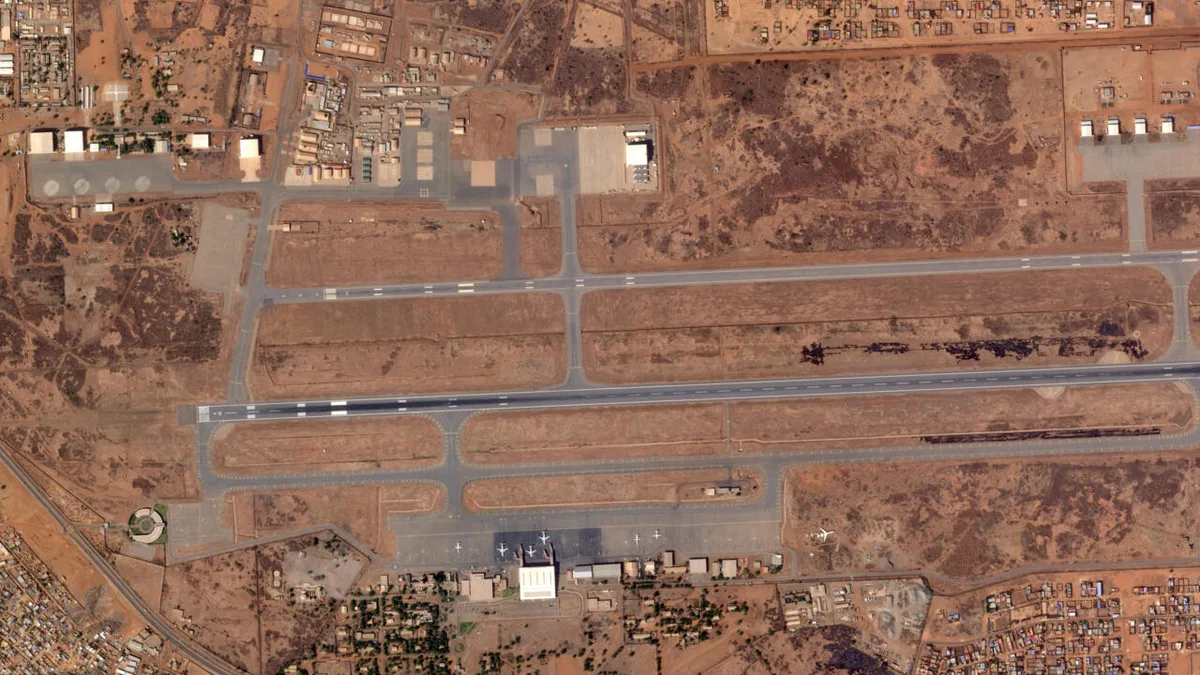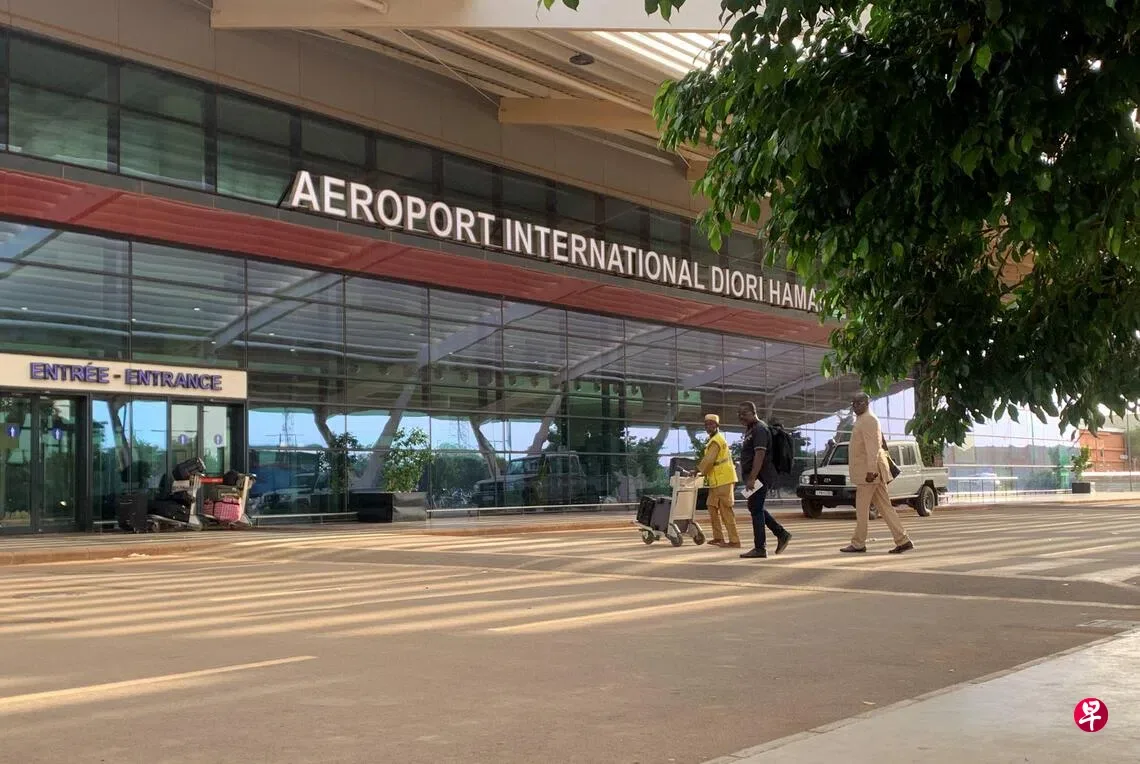
Gunfire and explosions erupted in multiple parts of Niger's capital Niamey shortly after midnight on August 29, including near the presidential palace and Diori Hamani International Airport, as soldiers attempted a mutiny against the military government [1, 2, 3, 4].
The mutiny involved soldiers trying to break into the presidential palace and seizing key military facilities. Some mutineers took hostages inside a military camp and fired on several sensitive locations around the city, according to Niger's Defense Minister Salifou Mody, who said security forces responded swiftly to regain control [5, 6]. Bana Waganna Ibrahim, an AES parliamentarian, said, "Base 101 was attacked again by cowards, but our defense and security forces ensured the situation was brought under control" [1].
Niger's presidential guard, reportedly aided by Russian military personnel, repelled the attacks and retook Base 101—headquarters of the Russian Africa Corps located within the airport compound—as well as other key sites within hours [1, 5, 7, 6, 8]. After heavy clashes that lasted through the early morning with intermittent gunfire and explosions, security forces killed some mutineers while others fled [1, 5, 6]. The government called for calm and said it was restoring order [5, 6].
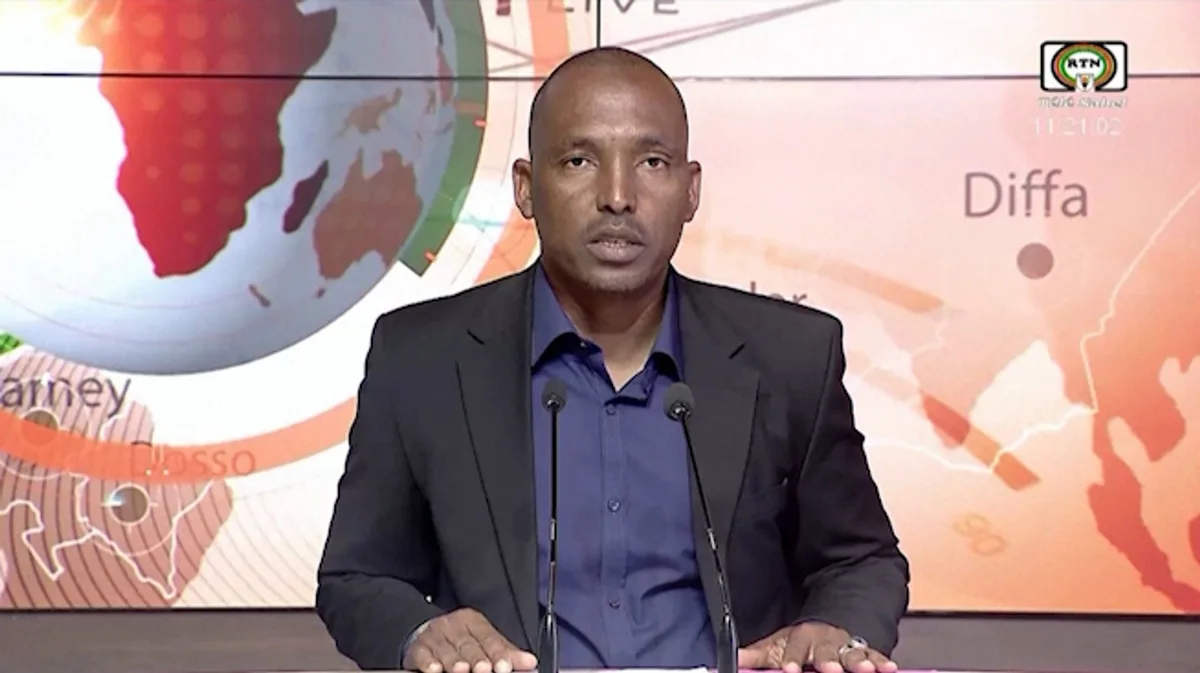
Fighting disrupted the national television broadcaster Tele Sahel, which lost signal for over one hour during the violence [1, 5, 4, 9, 6].
Niger's military government led by Colonel General Abdourahamane Tiani has faced ongoing jihadist violence and internal unrest since seizing power in July 2023 [3, 4, 6]. The capital's airport has been targeted multiple times this year in attacks attributed to Islamic State in the Sahel and Al-Qaeda-linked militants, including deadly assaults in January and June 2026 that left dozens dead [3, 4].
Niger has distanced itself from Western allies and enhanced military cooperation with Russia, which has a presence at Base 101 and contributed to quelling the mutiny [7, 4, 6, 10].
By midday on August 29, the government said the situation was largely under control, although some mutineers remained unaccounted for or held hostages [5, 6]. Security forces continue to secure remaining areas after the attempted coup.
The mutiny underscores the fragile security environment in Niamey amid political and jihadist threats. Authorities have vowed to maintain order as investigations into the uprising proceed.