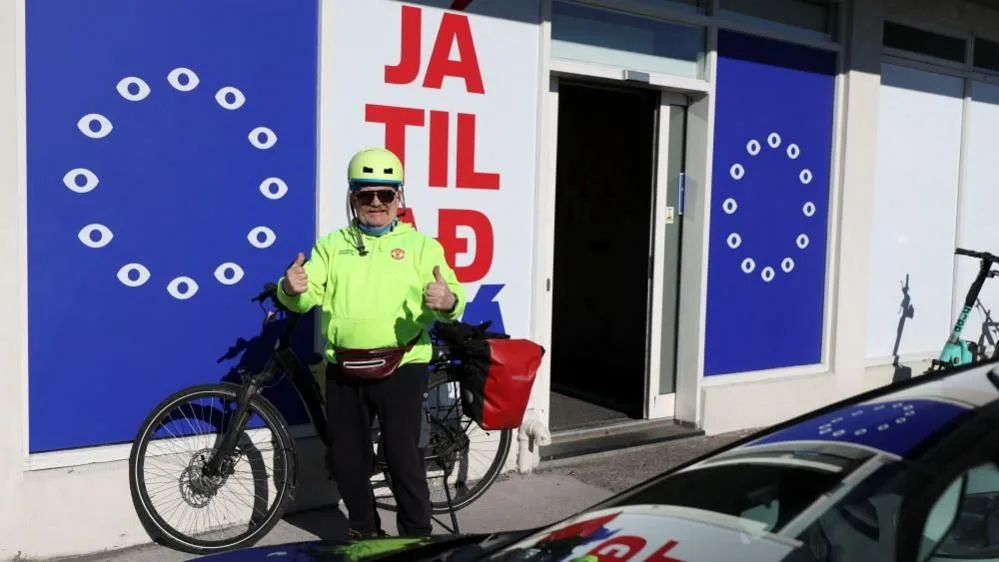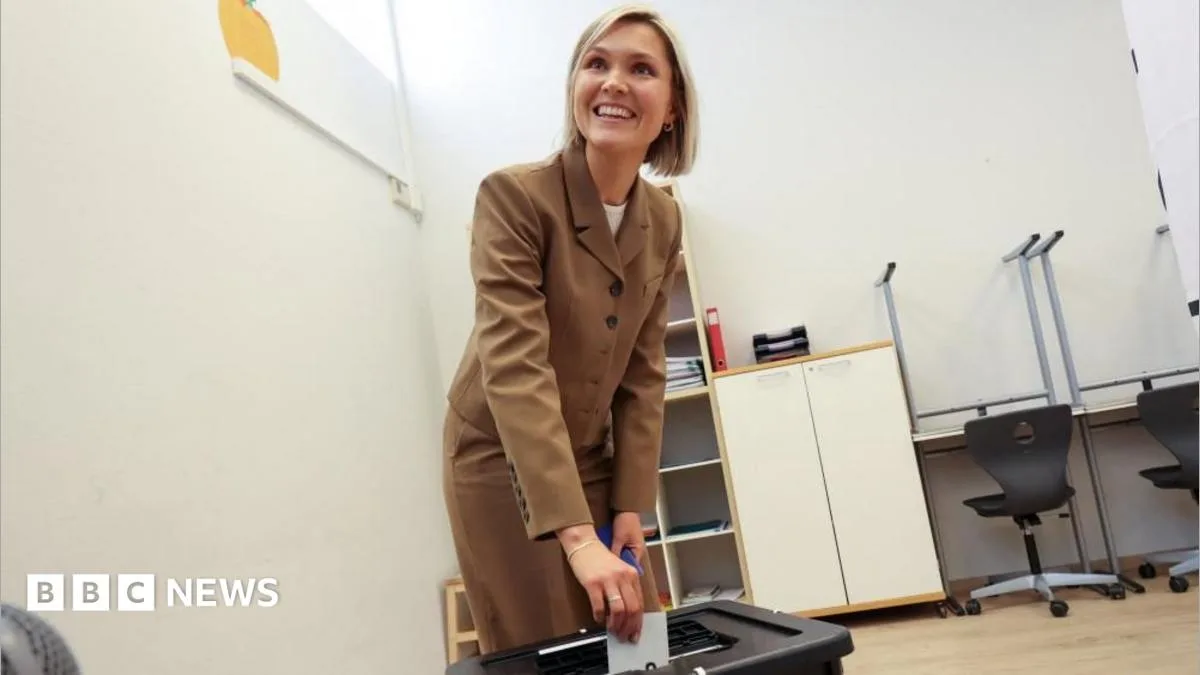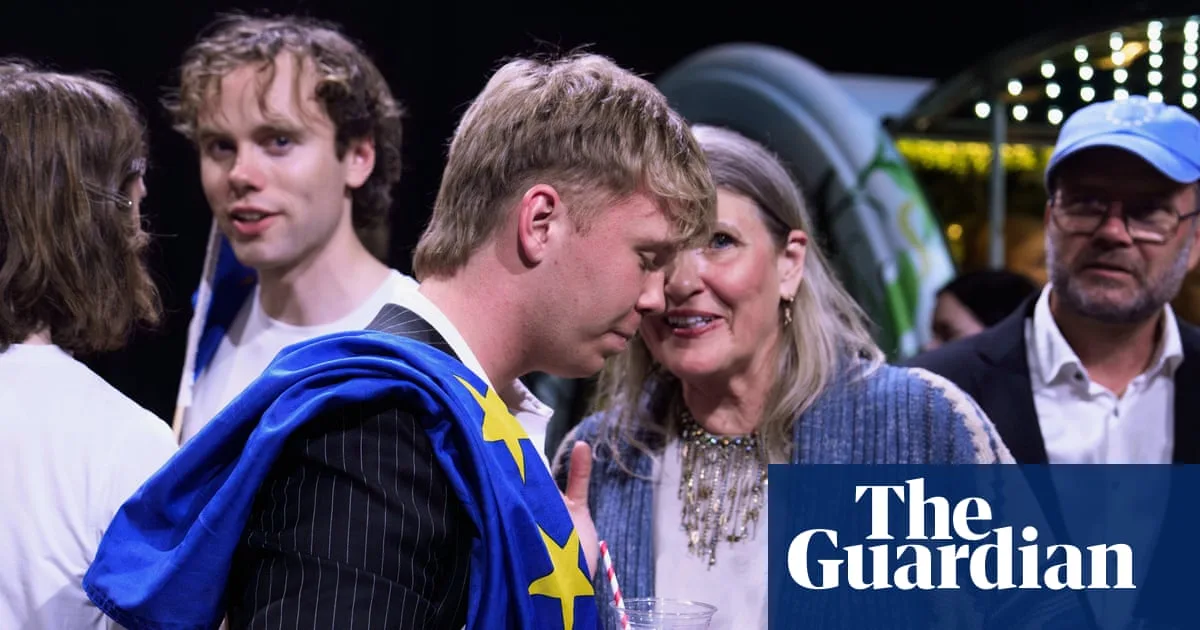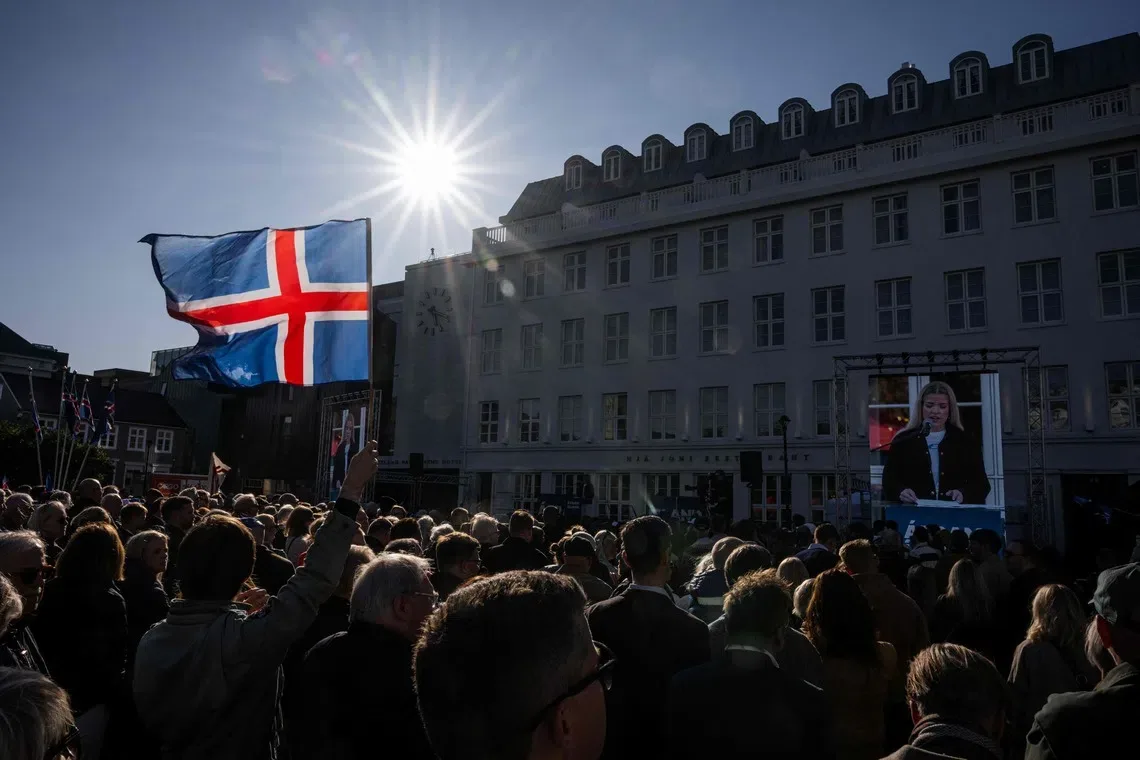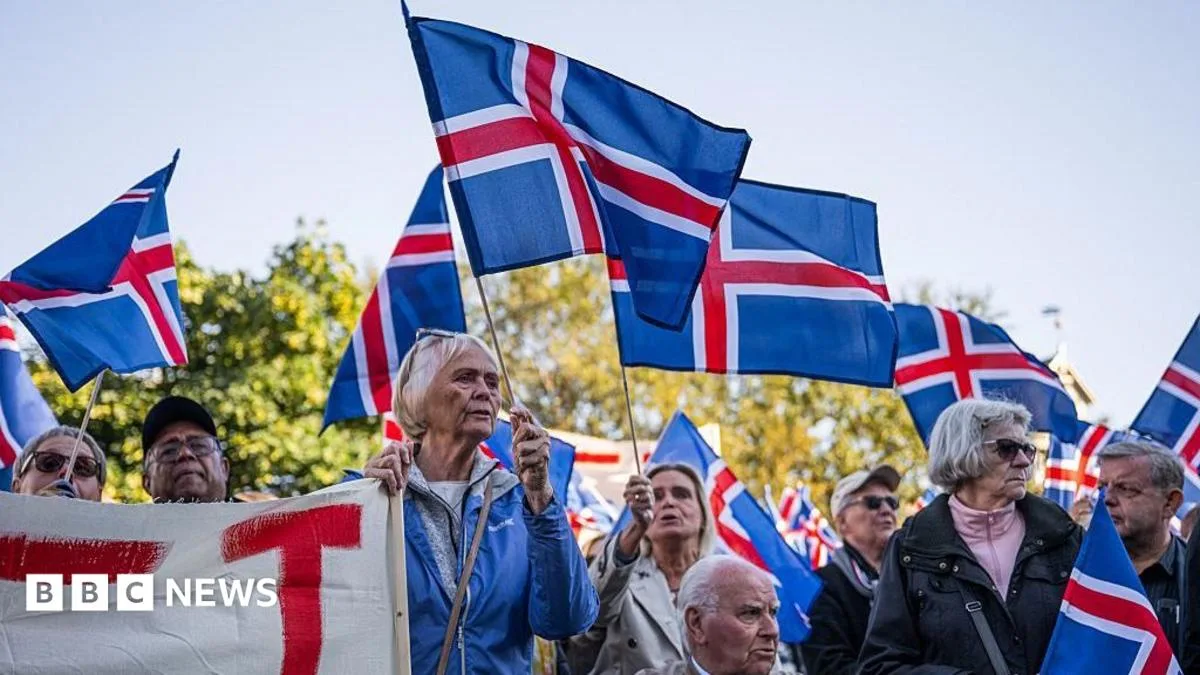
Iceland held a referendum on August 29, 2026, asking voters whether to resume accession negotiations with the European Union. Over 82% of about 270,000 eligible voters cast ballots in the vote, which took place from 09:00 to 22:00 GMT [1, 2, 3, 4].
The referendum arose amid heightened geopolitical tensions, including threats from then-US President Donald Trump concerning Greenland, prompting the government to bring the vote forward from a planned 2027 date [1, 2, 3]. Prime Minister Kristrún Frostadóttir’s centre-left coalition backed resuming talks with the EU. She called the referendum day “a great day. We've been waiting for this for years to be able to have a vote.” After the result, Frostadóttir said the government would continue its work regardless of the outcome [1, 5, 6, 3].
The question put to voters was: “Should Iceland resume accession negotiations with the European Union?” A Yes vote would only restart talks, with a subsequent referendum and parliamentary approval needed for full EU membership [1, 2, 7].
Iceland originally applied to join the EU in 2009 following the global financial crisis but accession talks were frozen in 2013 after a Eurosceptic government took office [1, 2, 7]. The nation remains outside the EU though it participates in the European Economic Area (EEA) and Schengen Zone. It is not part of the EU customs union or the eurozone [1, 2, 7, 8].
The referendum debate centered on concerns about sovereignty and fishing rights. Fishing accounts for nearly 40% of Iceland’s exports and opponents warned EU membership could threaten the sector and national control [1, 2, 7, 3]. Former Prime Minister Katrin Jakobsdottir said, “For a country like ours with our small economy, it's very important to maintain our sovereignty and not to transfer more power than we would have to do to the EU.” [7]
The vote was very close. Early counts showed conflicting leads, with one partial tally giving No a narrow majority and another showing Yes ahead [2, 9]. Final official results declared 52.8% voting No and 47.2% Yes, rejecting resuming EU talks [5, 6, 8, 3].
Foreign Minister Thorgerdur Gunnarsdottir said the shifting global security environment means “small nations need to think carefully about where they stand and who stands with them.” Academic Gabriella Gricius noted Iceland’s interest in EU talks grew as US unpredictability, especially rhetoric around Greenland, increased [7, 10].
Despite the outcome, the referendum does not preclude future efforts to restart negotiations with the European Union [1, 2, 3].
Timeline
In 2009, Iceland applied to join the European Union after the financial crisis [1, 2, 7]. Talks were suspended in 2013 by a Eurosceptic government [1, 2]. A left-leaning coalition elected in 2024 planned a 2027 referendum but advanced it due to geopolitical concerns [1, 2]. On August 29, 2026, Icelanders voted narrowly to reject restarting accession negotiations [1, 2, 7]. Final results were announced by September 1 showing No winning 52.8% to 47.2% [5, 6, 8, 3].