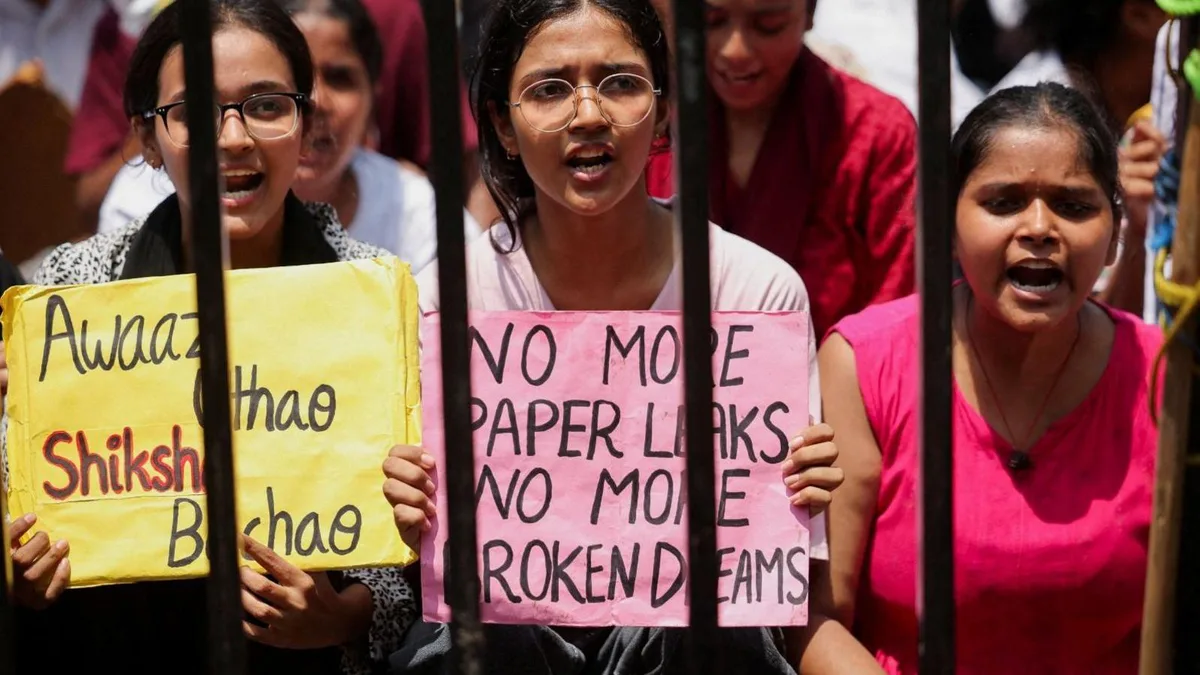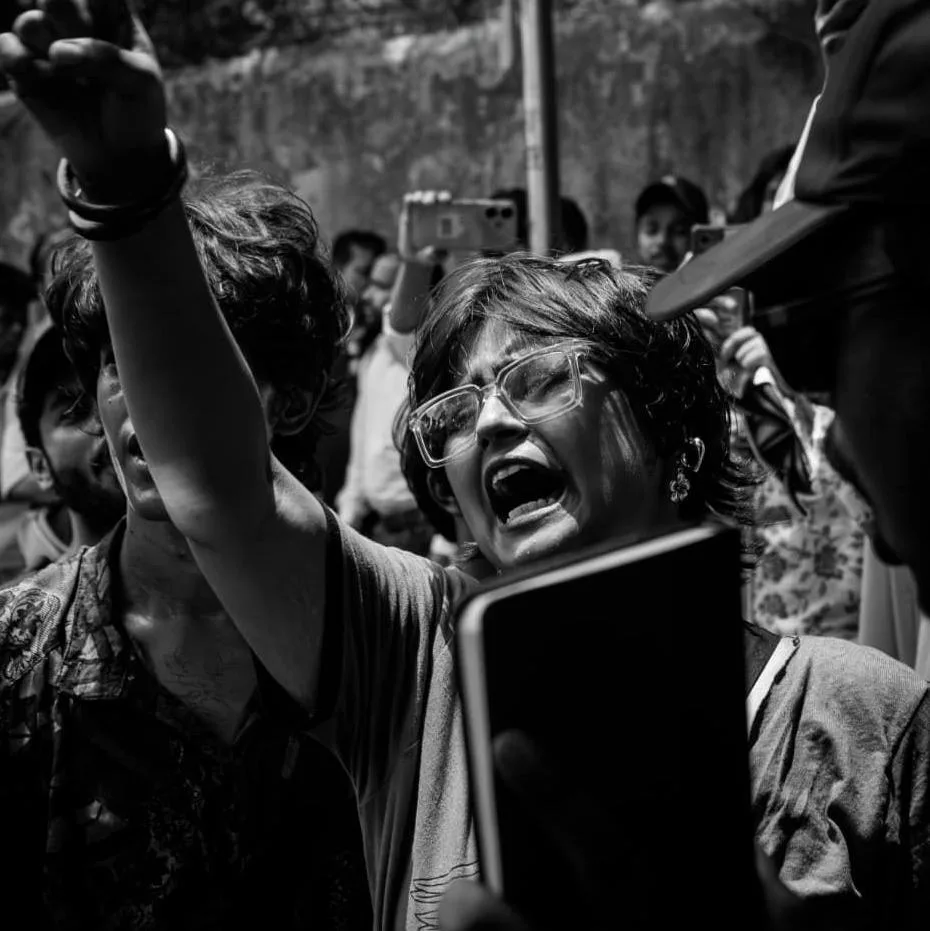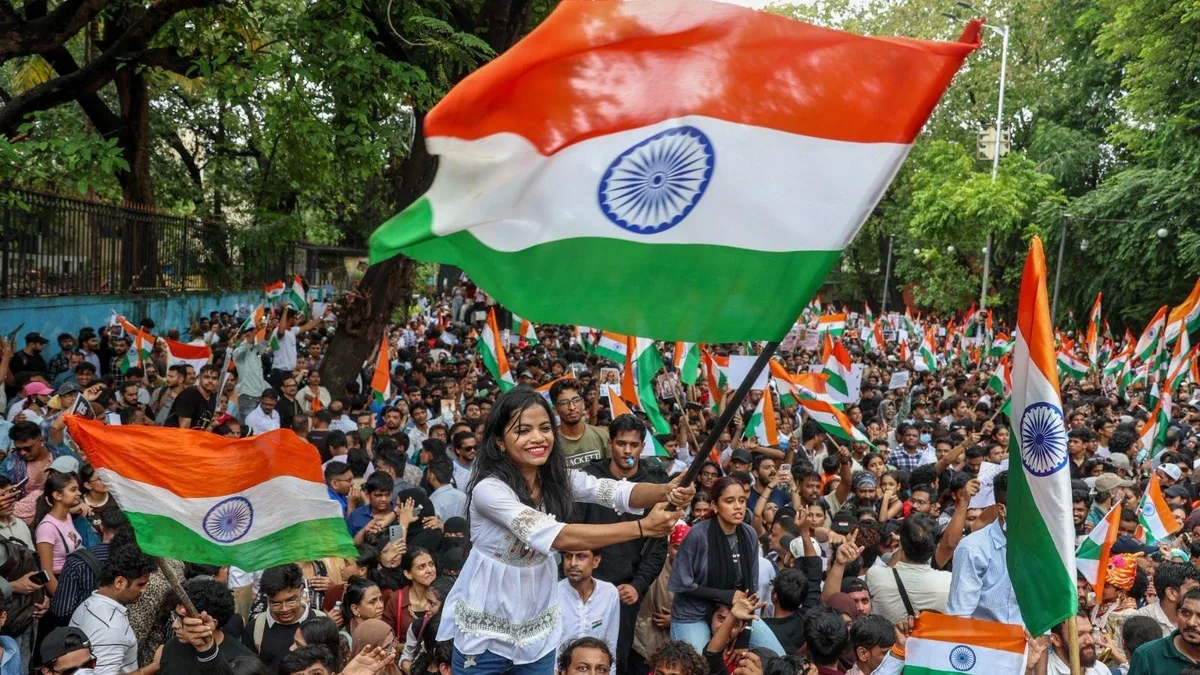
India’s Education Minister Dharmendra Pradhan resigned on July 25, 2026, following weeks of youth-led protests triggered by the leak of the National Eligibility cum Entrance Test (NEET) exam papers earlier this year [1, 2, 3, 4, 5, 6, 7, 8, 9, 10].
About two million students were affected by the NEET leak, which led to the cancellation and rescheduling of exam sessions in May and June 2026 [1, 5, 6, 8, 11]. The scandal reportedly contributed to more than a dozen student suicides, with victims’ families blaming the pressure caused by the exam fraud [1, 4, 6, 9, 11].
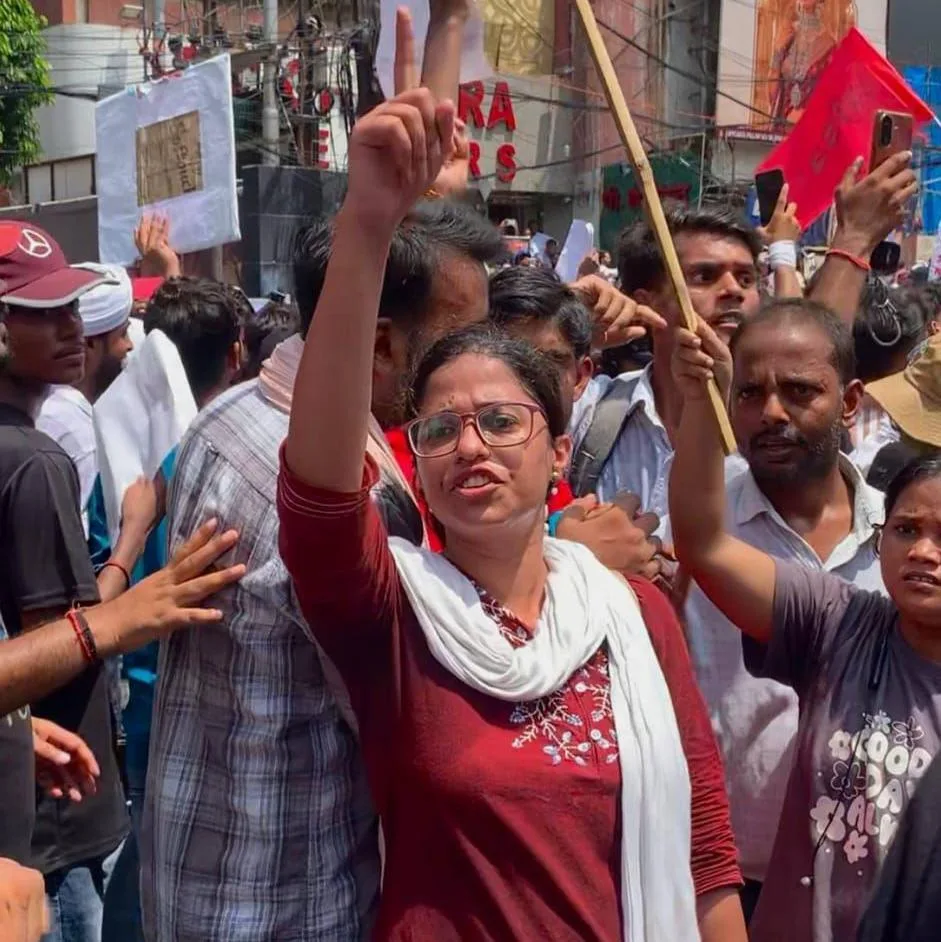
The protests were organized primarily by a youth movement called the Cockroach Janta Party (CJP). Tens and hundreds of thousands of demonstrators held sit-ins, marches, and hunger strikes demanding Pradhan’s resignation and reforms in India’s education system. Major protests took place in Delhi, Kolkata, and Mumbai [1, 4, 5, 8, 9, 10, 11].
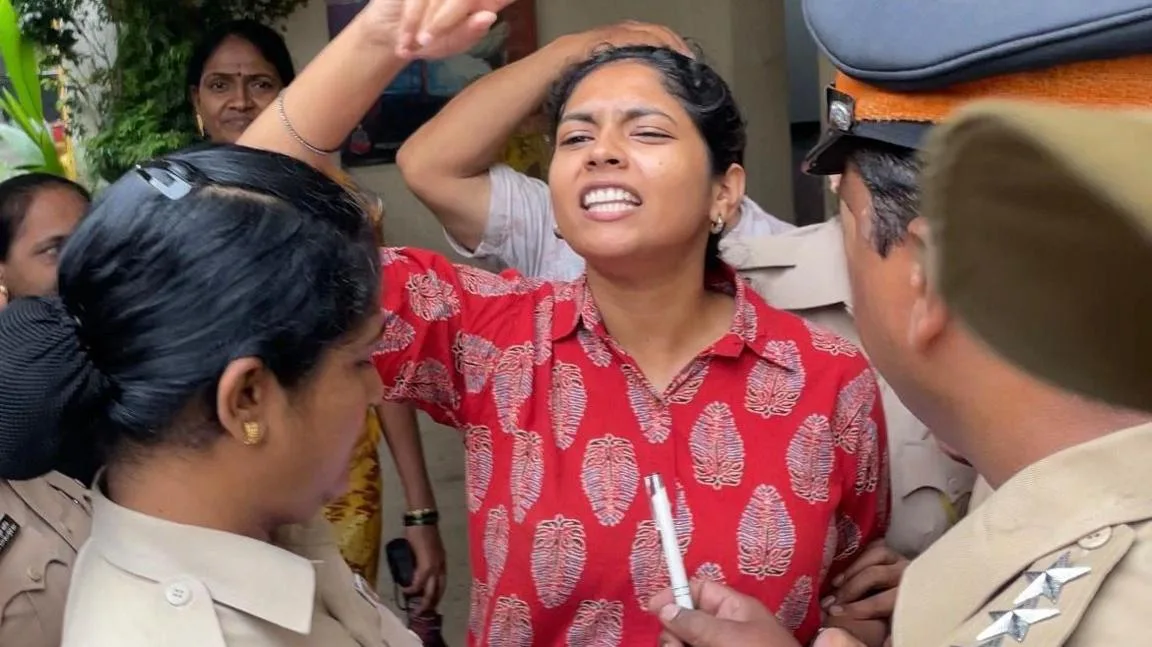
Police response to the protests included baton charges, tear gas, pellet guns, and arrests, escalating tensions. On July 18, activist Sonam Wangchuk was forcibly removed from a hunger strike and hospitalized, which fueled larger demonstrations [1, 4, 5, 9]. Videos of police threatening protesters also circulated widely online [9].
Pradhan said in his resignation letter that he stepped down "so that anti-national forces do not take advantage of this situation" and expressed his respect for the youth’s aspirations [2, 3, 4, 5, 8, 10]. Protests ended after the CJP claimed the government accepted their demands, including dropping police cases and compensations for victims’ families [8].
Youth unemployment in India rose to 16.2% in June 2026 from 13.8% the previous year, contributing to dissatisfaction behind the protests [9]. Some activists warned that protests may continue despite promises from the government [1, 9].
Following Pradhan’s resignation, youth protesters celebrated by chanting slogans and distributing sweets at protest sites [2, 5, 8, 10]. CJP founder Abhijeet Dipke said, "We have done it" [5]. Sonam Wangchuk called the resignation "a victory of peace, patience & perseverance" [5].
The government had previously restricted internet access and closed several metro stations in Delhi to curb protests during July 2026 [2, 3, 5].
The next key event came on July 26 when the Cockroach Janta Party announced the end of major protests, citing government acceptance of their demands [8].