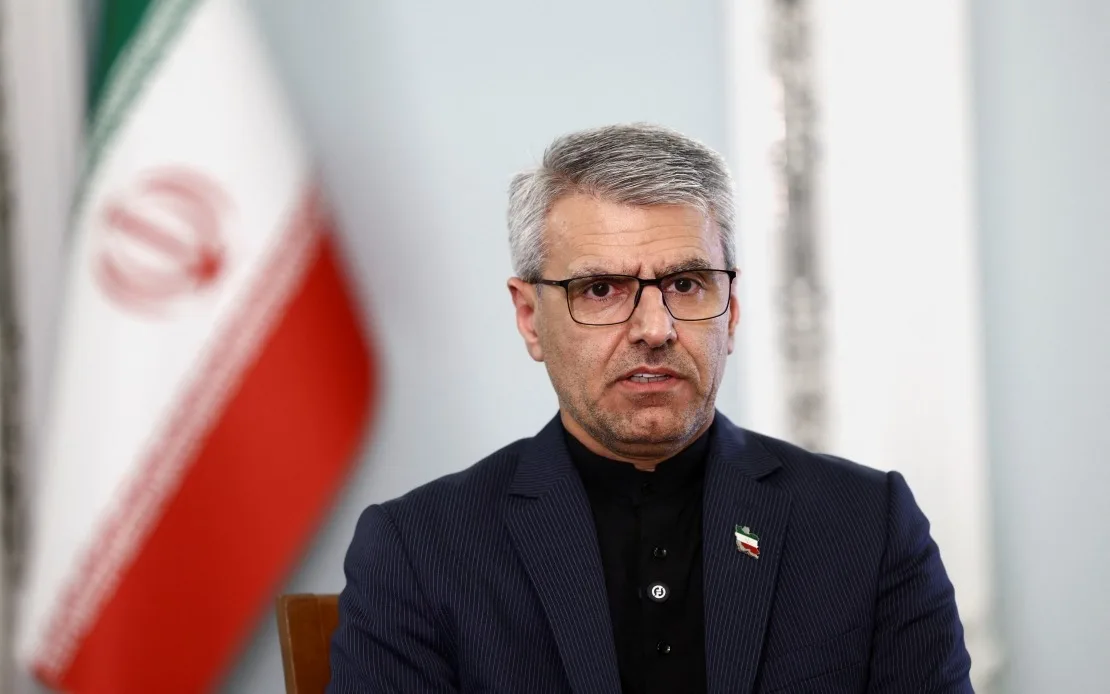
Iran's Foreign Ministry spokesman Esmaeil Baghaei condemned new US economic sanctions against Tehran, stating Washington’s use of secondary sanctions violates the sovereignty of other countries and breaches international law [1, 2]. Baghaei described the sanctions as "an assertion of extraterritorial sovereignty over every independent Member State of the United Nations," emphasizing that the measures go beyond targeted economic pressure on Iran [1, 3, 2].
Baghaei argued that secondary sanctions cannot lawfully compel foreign banks, companies, or airports under other countries’ jurisdiction to halt legitimate trade with Iran. He cited Article 2(1) of the UN Charter on sovereign equality and the International Court of Justice's Nicaragua ruling to highlight their illegality [1, 2]. He also warned that the combination of sanctions and the US naval blockade undermines the sovereignty of other states and risks a return to "full-scale classic colonialism" [1, 3, 2].
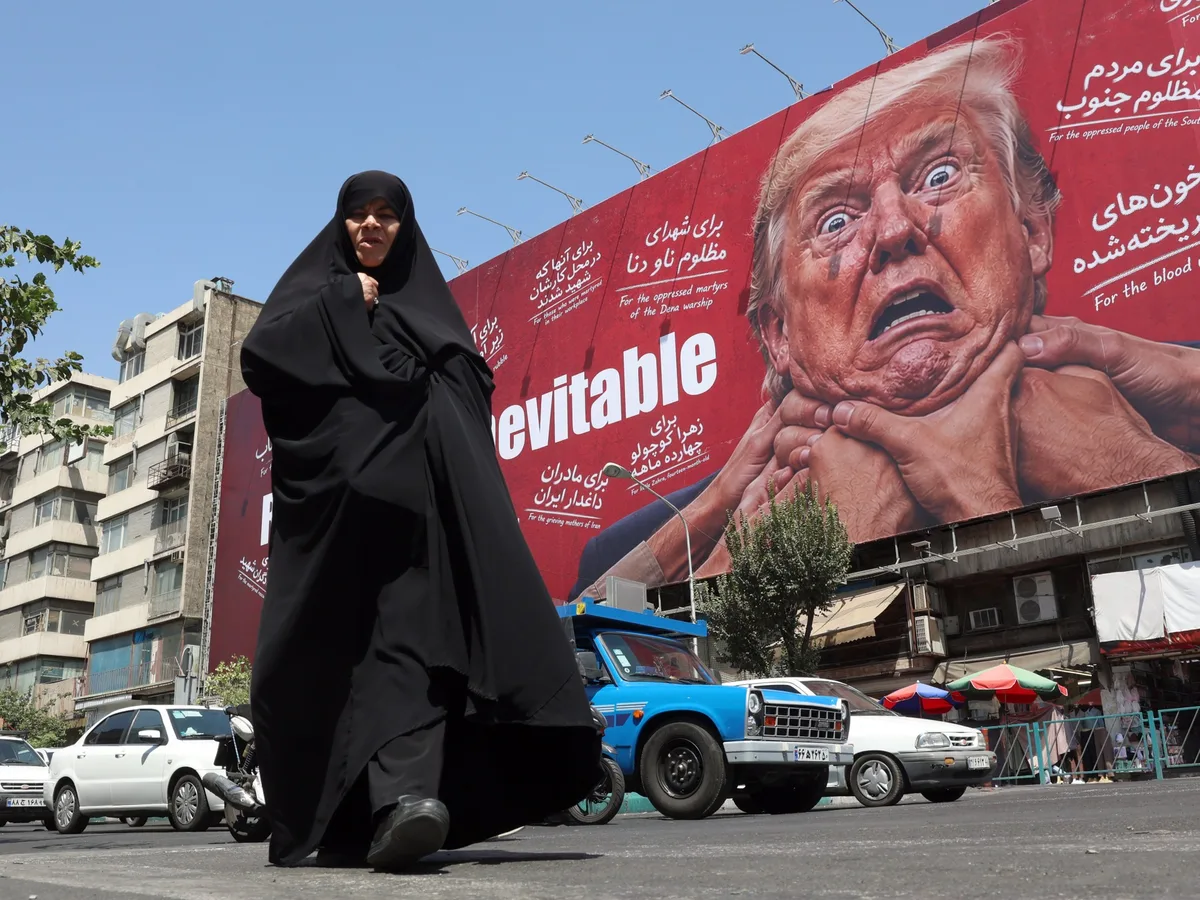
The US launched its campaign on August 19, with President Donald Trump calling it "the most crushing economic operation ever taken against any country" and urging allies to join in isolating Iran economically [1, 3, 2]. Treasury Secretary Scott Bessent said the sanctions would "collapse Iran" and insisted countries are "either with us or against us" [3].
Iranian Foreign Minister Abbas Araghchi rejected the new sanctions as "bound to fail," saying, "We have seen this movie before. Same bull. Different bullies" [3]. Meanwhile, the US Navy has maintained a blockade disrupting oil shipments through the Strait of Hormuz, allowing only four commodity ships to pass on Thursday and stranding thousands of seafarers on hundreds of vessels [3].
On August 21, President Trump said Iran "would like to make a deal, but they’re not ready to make the right deal in my opinion" [3]. The situation remains tense as sanctions and maritime restrictions continue to escalate.
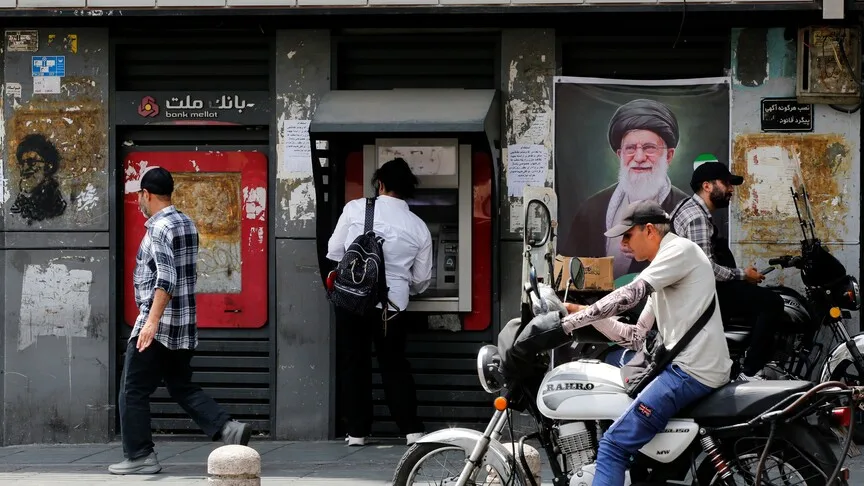
Iran’s formal condemnation and warnings against the extraterritorial reach of US sanctions come amid ongoing efforts by Washington to expand pressure and isolate Tehran financially. The blockade and trade controls on the Strait of Hormuz remain in effect, prolonging the disruption of maritime commerce in the region [3].