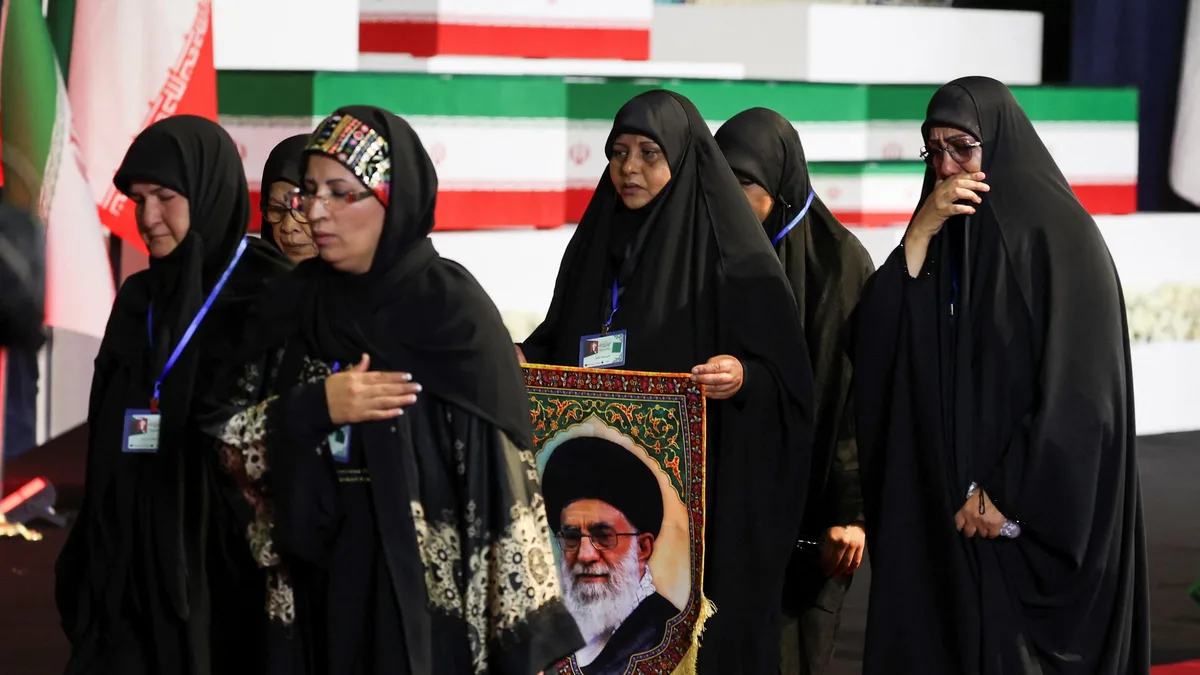
Ayatollah Ali Khamenei, Iran’s former Supreme Leader, was killed on February 28, 2026, in a joint US-Israeli air strike on his Tehran compound, the first day of a broader conflict [1, 2, 3, 4, 5, 6]. Khamenei, aged 86 at the time of his death, was struck down alongside family members, including his three-year-old granddaughter, eldest daughter, son-in-law, and daughter-in-law [1, 2, 5].
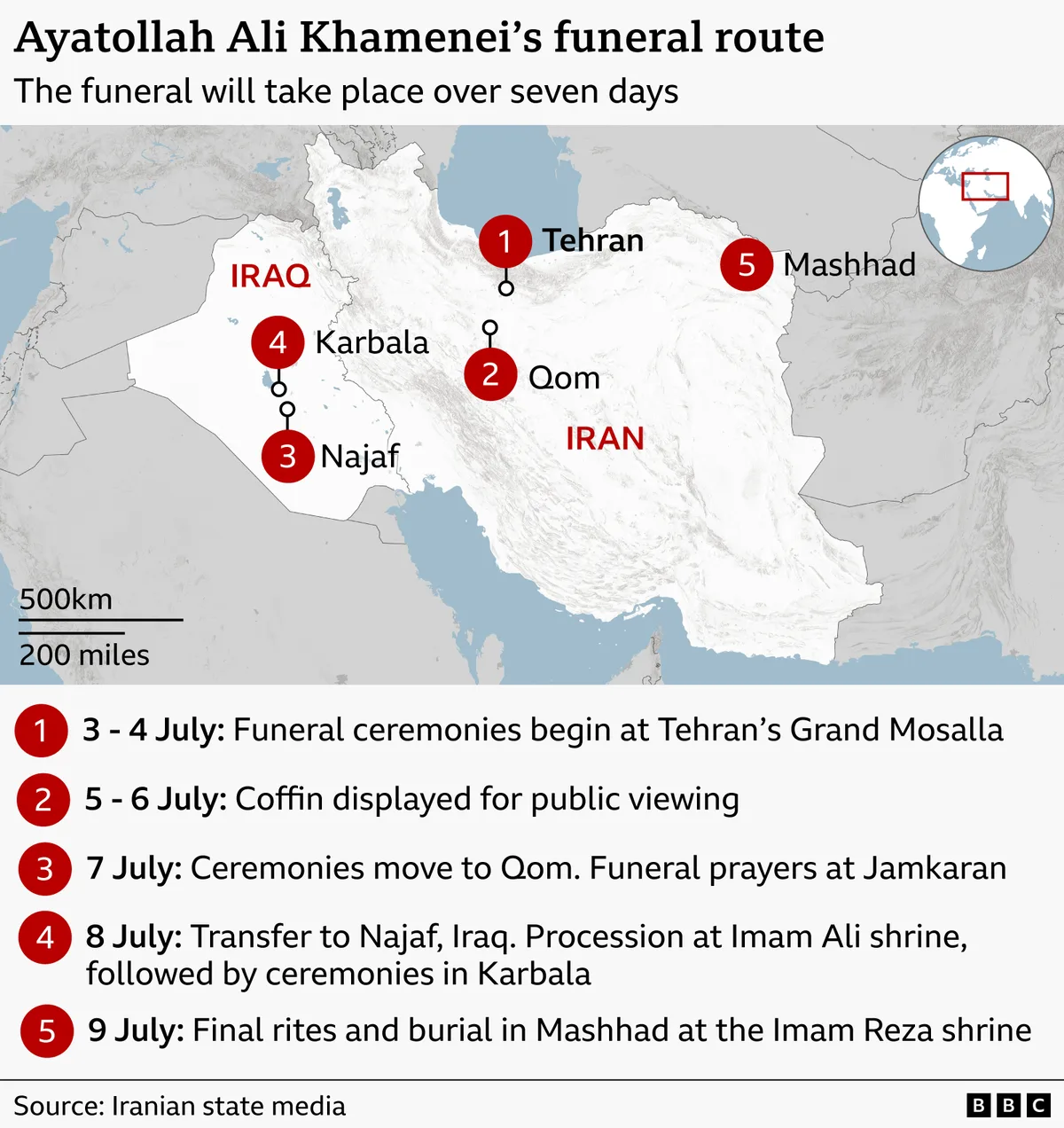
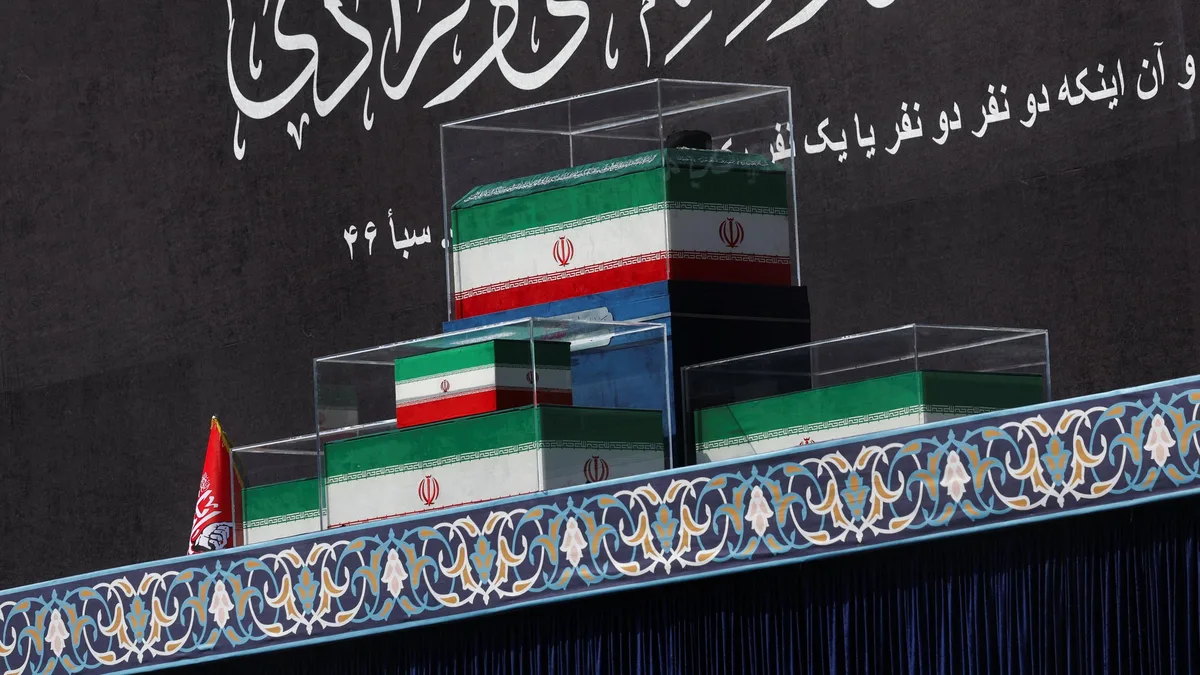
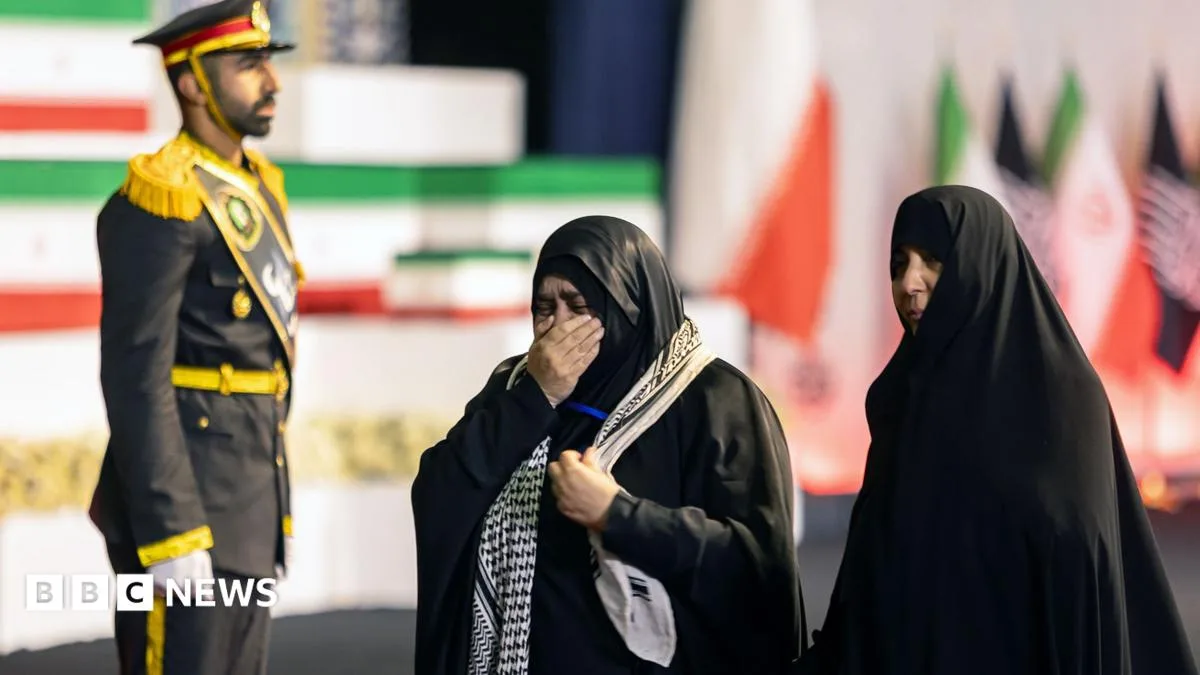
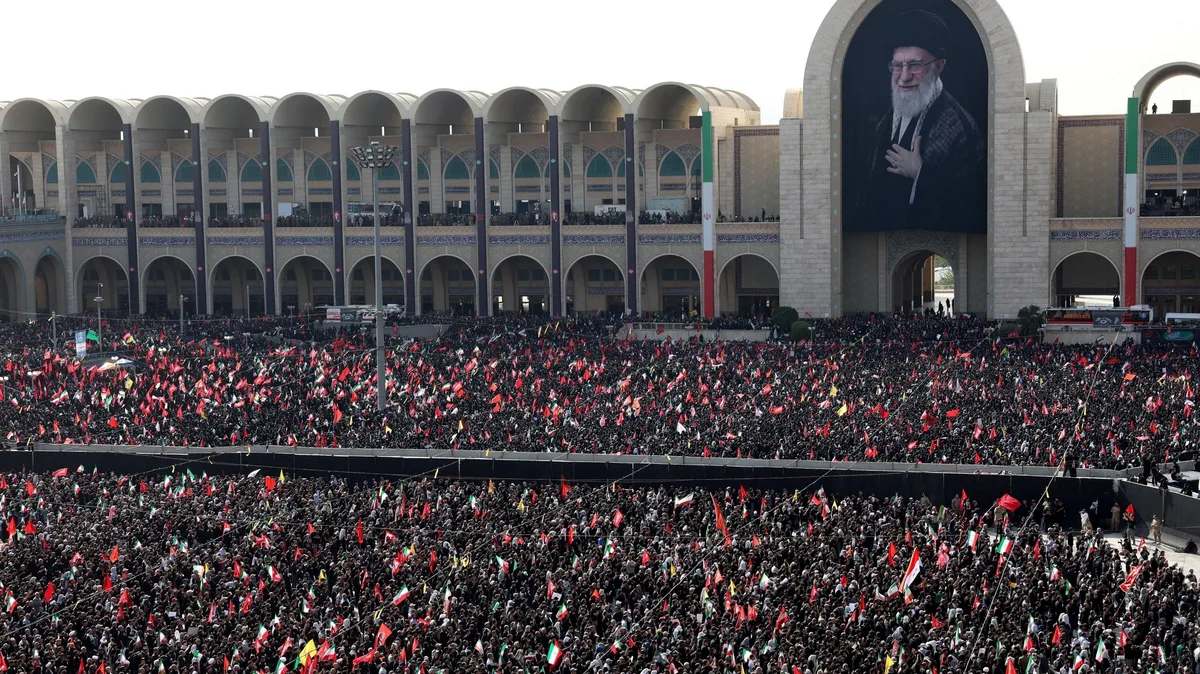
Public funeral ceremonies began on July 3 with Khamenei’s body lying in state at Tehran’s Grand Mosalla mosque [1, 2, 3, 7, 4, 5, 6]. The rites will continue in Tehran through July 6, then move to the holy city of Qom on July 7, followed by Iraqi cities including Najaf and Karbala on July 8. The final burial is scheduled for July 9 at the Imam Reza Shrine in Mashhad [1, 2, 3, 7, 5, 6]. Authorities have imposed traffic restrictions, office closures, and partial to full airspace closures over Tehran for the events [1].
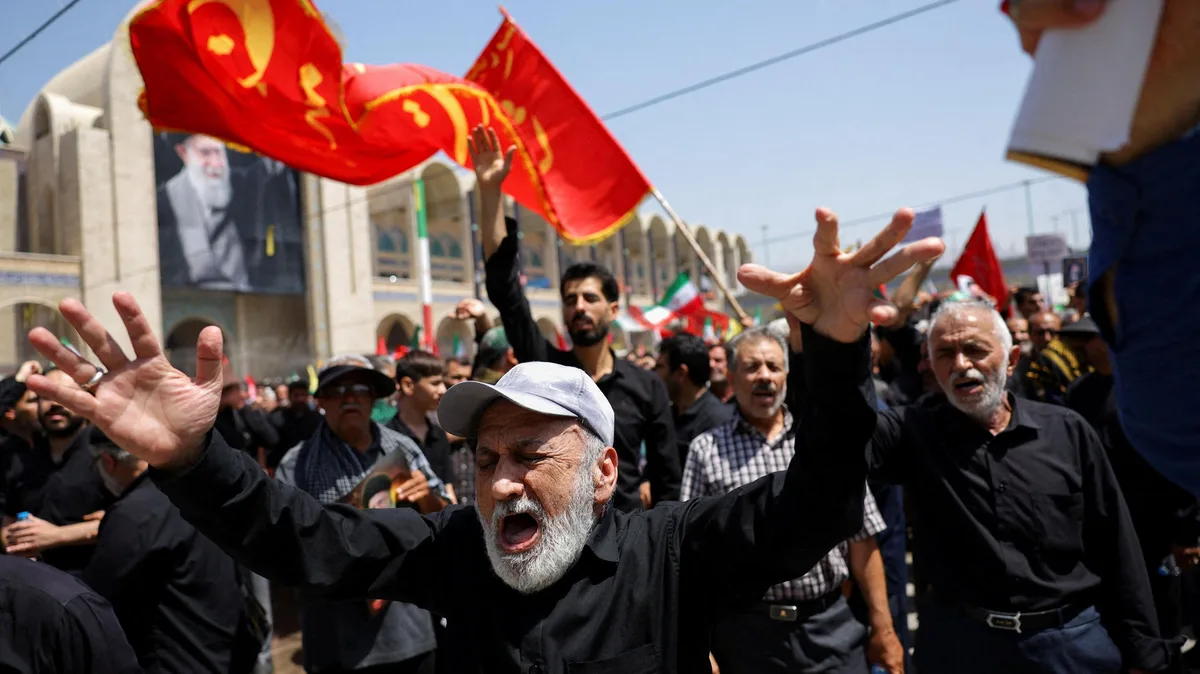
Officials expect between 15 and 20 million mourners across Iran and Iraq to attend the ceremonies [1, 2, 4, 5, 8]. Some estimates differ, with one source citing 10 million mourners, but the majority consensus is higher [1, 2, 4, 5, 9, 8]. Iranian parliament speaker Mohammad Bagher Ghalibaf and foreign minister Abbas Araghchi were visibly emotional at the ceremonies [8]. Araghchi said, "The terms of the Islamabad MoU are crystal clear and public for all to see. POTUS has committed the US to muzzling its pets in Tel Aviv. If they ignore their master, Iran will school them. Any threat against our People and Leadership will receive Immediate Powerful Response" [10].
Notable foreign attendees include Pakistan’s Prime Minister Shehbaz Sharif and Tajikistan President Emomali Rahmon. Most Western countries were not invited [1, 5, 9, 8]. Iran’s new Supreme Leader Mojtaba Khamenei, wounded in the February strikes, has not appeared publicly and is not attending due to security concerns [1, 9, 11, 10]. Ayatollah Hakim Elahi, his representative in India, explained, "Mojtaba Khamenei will not attend the funeral ceremonies for his father due to Israeli threats and security concerns" [10]. Mojtaba’s wife Zahra Hadad-Adel also died in the attack, and her funeral was held without him [11, 10].
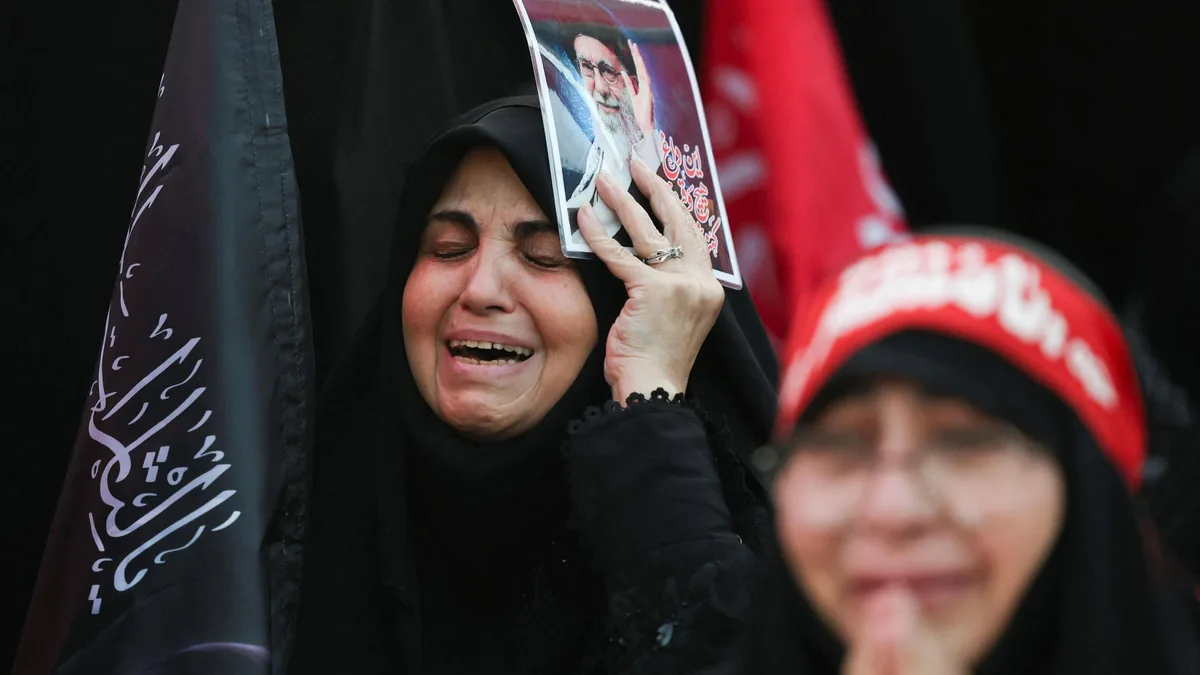
Mourners expressed strong loyalty and calls for revenge. Reza, a 37-year-old professor, said, "We came [to the funeral] because we promised the supreme leader we would stand by him to the very end. For a long time, we shouted that we would sacrifice our lives for the leader, but it was he who sacrificed himself for us" [2]. Arash Rahimi, 40, added, "Everyone here has come to avenge the blood of their supreme leader. As our leader has said, we have a blood feud with the United States. Our relations with the United States will never be good" [2].
The funeral takes place during a fragile ceasefire signed in June 2026 between Iran and the United States, halting hostilities temporarily [1, 4, 5]. Khamenei’s death and the ongoing ceremonies mark a critical moment amid internal fractures, recent protests, and heightened international tensions within Iran [3, 7].