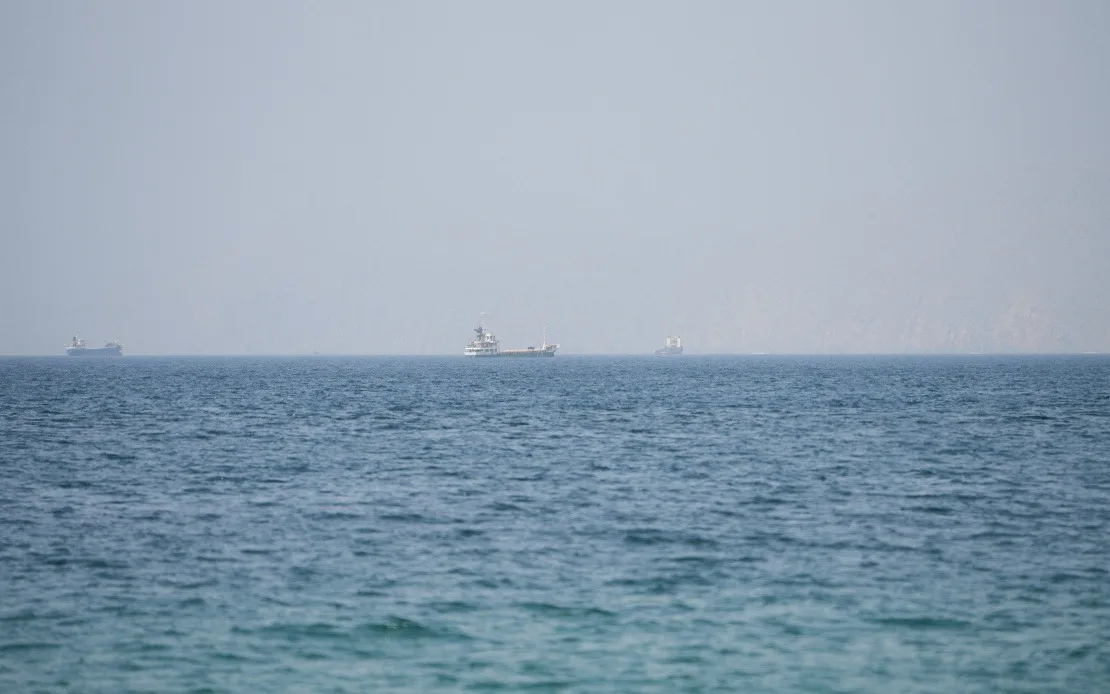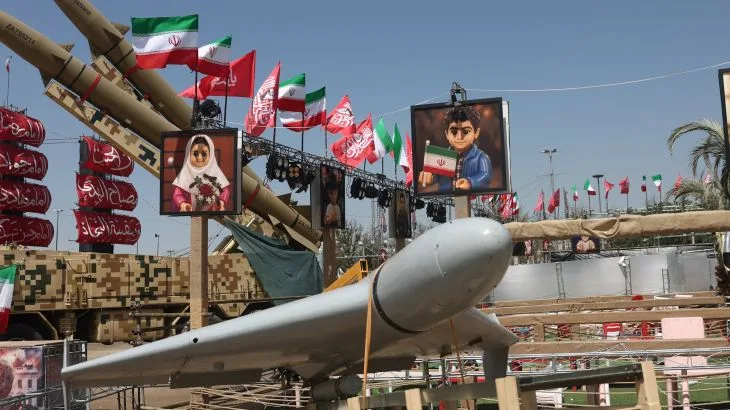
Iran’s top security official Mohammad Bagher Zolghadr announced on August 8 that the Strait of Hormuz will remain closed until the United States fulfills six specific demands laid out by Tehran [1]. Zolghadr outlined the demands as ending threats against Iran’s supreme leader, halting military actions against Iran and its allies, withdrawing US naval and air forces involved in the blockade, compensating Iran for recent damages, lifting US sanctions, and releasing Iran’s frozen assets [2, 1].
Zolghadr emphasized that these demands represent the will of the Iranian people, referencing nationwide rallies held for six days in support of the position [2, 1]. “The Supreme National Security Council will not retreat from these demands, whether in war or in negotiations,” he said [2]. He insisted Washington must “correct its behaviour” before the strategic waterway can reopen [1].
Brig. Gen. Mohammad Akraminia, an Iranian army spokesman, declared that the Iranian order governing the Strait was “irreversible.” He warned the US that it had “no choice but to accept the existing reality” or face “far greater costs than before” [2].
Negotiations to resolve the dispute remain deadlocked despite a June 18 memorandum of understanding signed by Iran and the US through Pakistani and Qatari mediation. The agreement aimed to end active hostilities and begin talks over navigation through the Strait of Hormuz [2, 1].
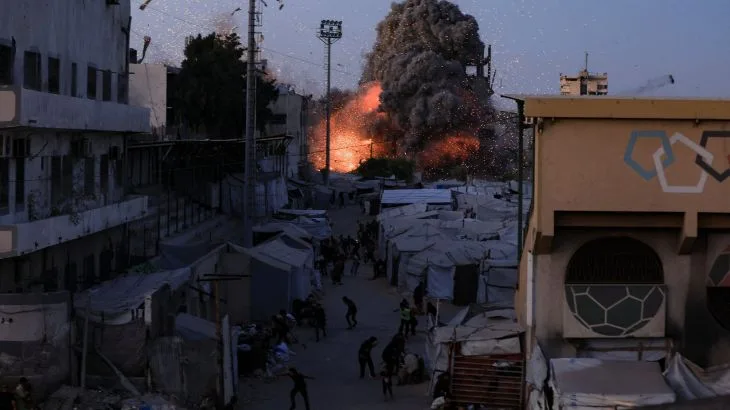
Regional tensions persist. The UAE accused Tehran of targeting an oil tanker on August 9, while Yemen’s Houthis claimed an attack on a Saudi refinery, indicating ongoing conflict in the region [3].
The latest statements from Iranian officials reaffirm that the closure of the Strait will continue until their six demands are met. The next diplomatic developments or negotiation attempts have not been announced.