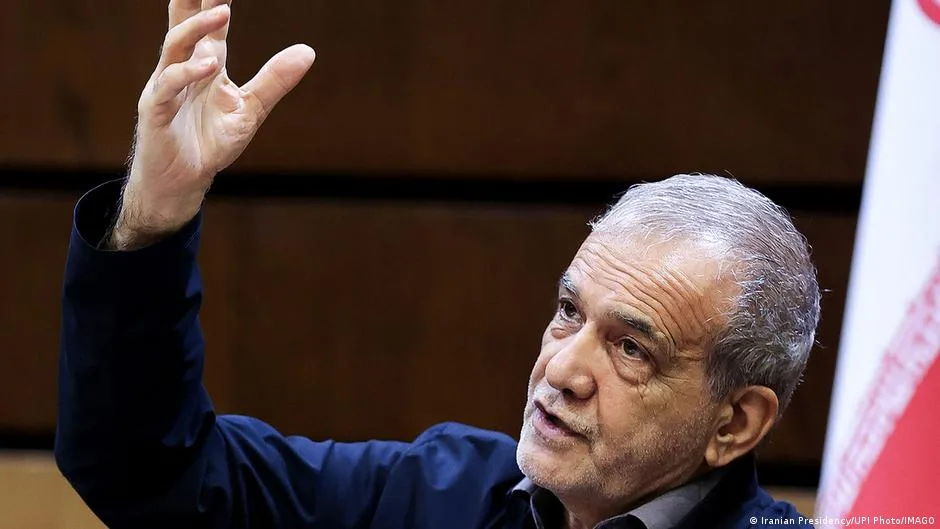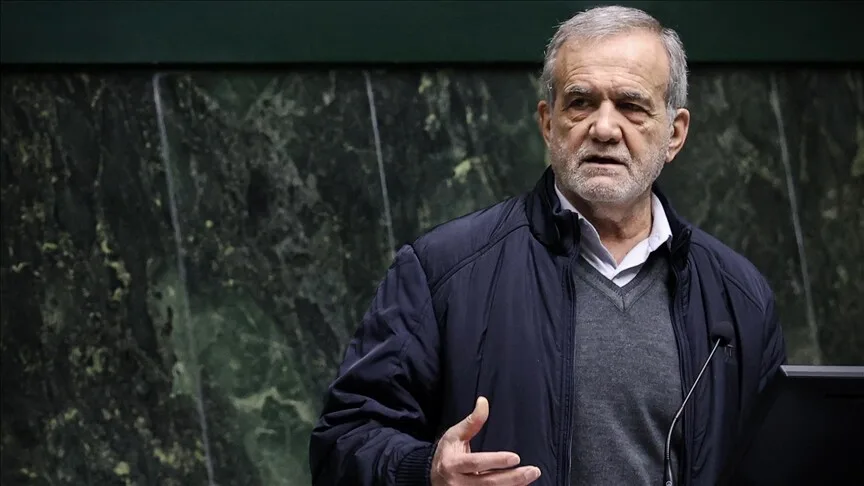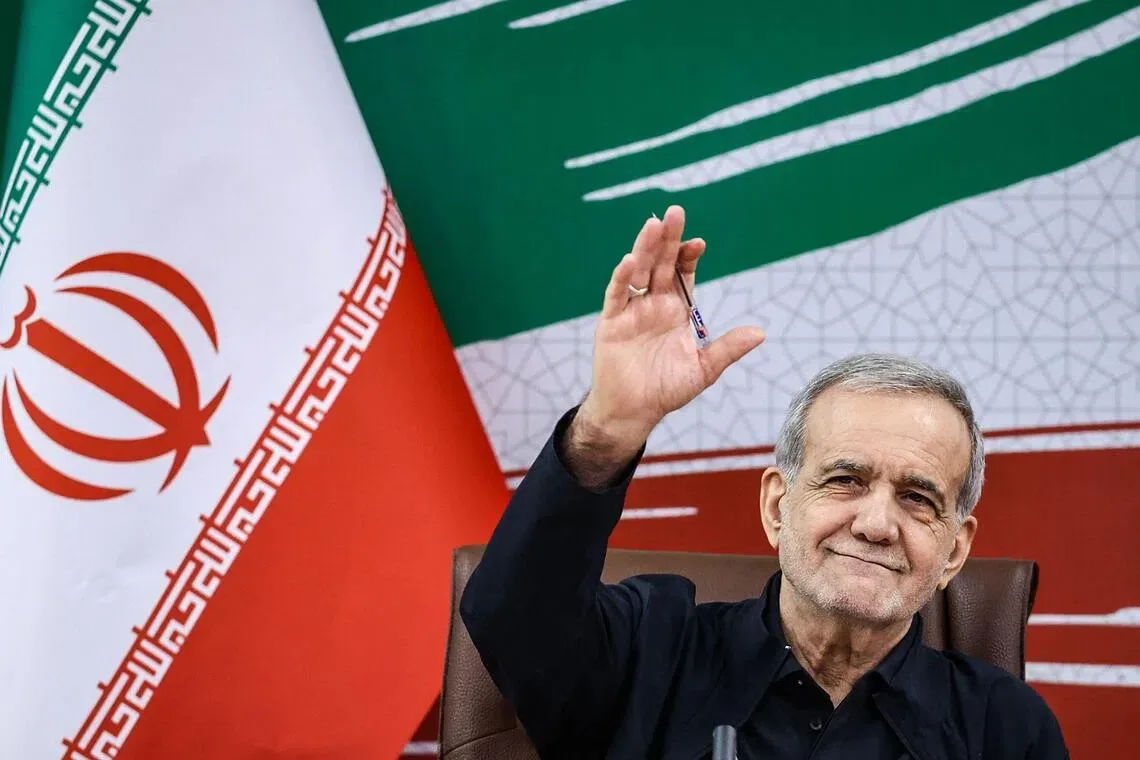
Iranian President Masoud Pezeshkian said on August 21, 2026, that it is time to end the war with the United States because Tehran is in a position of strength. "It is better that we bring the war to an end now as we are in a position of power and dignity," he stated publicly [1, 2, 3, 4].
The conflict between Iran and US, involving Israeli military actions as well, began in February 2026. Since then, Iran has partially closed the Strait of Hormuz, a key oil shipping route, while the US enforced a naval counter-blockade to keep it open. The strait normally sees 5 to 10 million barrels of oil exported daily, protected by US convoys [1, 2, 3].
In June 2026, Iran and the US signed a memorandum of understanding (MoU) containing 14 to 15 points aiming to end hostilities. Pezeshkian called that pact a major accomplishment, saying it was approved by Iran’s Supreme National Security Council [1, 2, 4]. He rejected any notion that the MoU signaled Iranian defeat or surrender, noting, "They cannot find even a single clause in this agreement that indicates capitulation. All the commitments concern the other side" [1].
Despite the agreement, tensions remain high. Iran accuses US forces of attacking civilian infrastructure such as schools and hospitals, calling the actions violations of international law. "The whole world acknowledges our victory and emphasises that America has attacked our schools, hospitals and infrastructure... and is hated around the world," Pezeshkian said [1].
The Iranian Foreign Ministry condemned US plans to expand sanctions as "economic terrorism" and "crimes against humanity," asserting those responsible should face trial and punishment [1, 3]. Iranian military leaders warned of harsh responses if Washington continues economically isolating Tehran [2].
US Treasury Secretary Scott Bessent vowed an economic campaign aimed at collapsing the Iranian regime. "Washington would collapse the Iranian regime with its threatened campaign," he said on August 20 [1, 3]. Meanwhile, China criticized these sanctions and called for diplomatic efforts to resolve the conflict ahead of a US-China summit scheduled for September 24, 2026. "Sanctions and pressure will not help resolve the issue," said Chinese foreign ministry spokesman Lin Jian [3].
Pezeshkian reiterated Iran’s resolve, declaring, "We will under no circumstances bow to bullying. We will stand against them until our last breath and give them a crushing response" [4]. The MoU includes a 60-day negotiation period designed to finalize a peaceful settlement between the two sides [4].
The upcoming US-China summit next month is expected to address the ongoing Iran issue amid regional and international pressures.