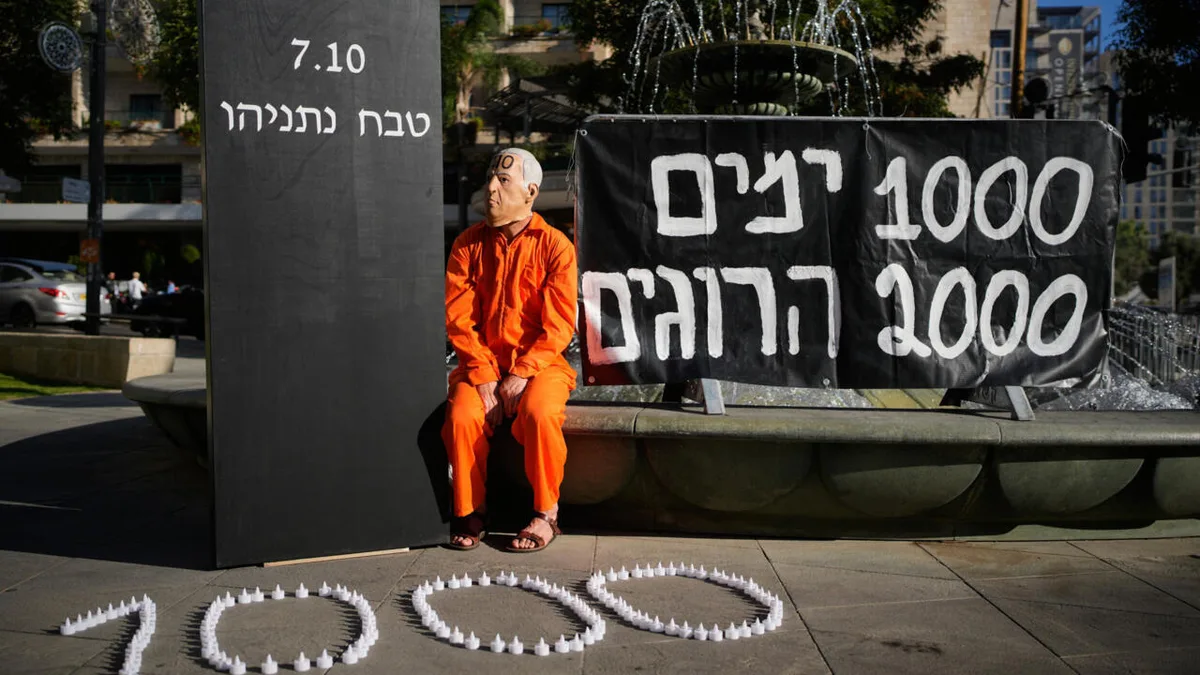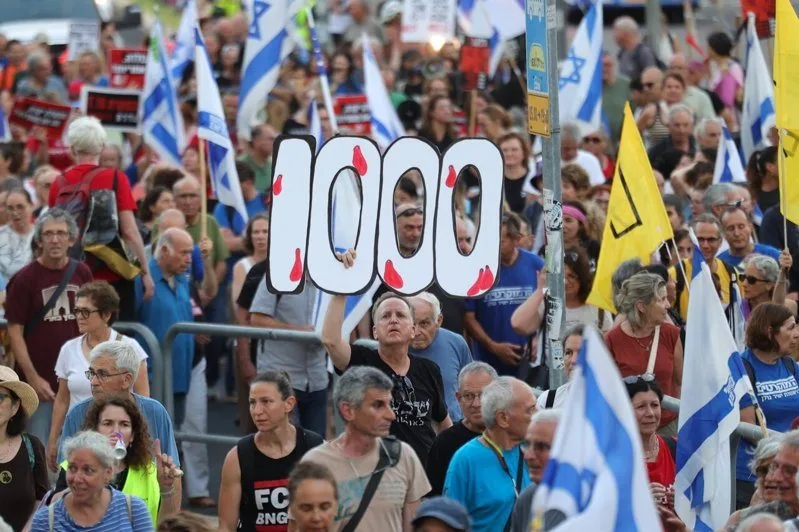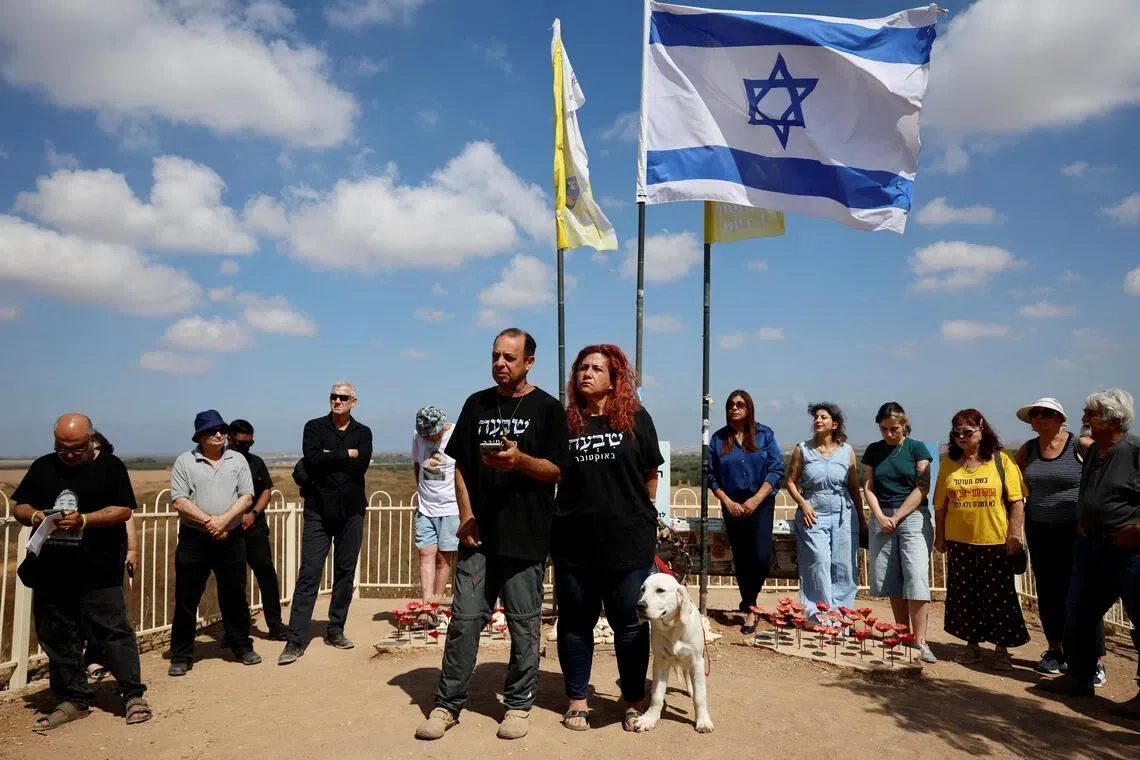
Israel marked 1,000 days since the Hamas attack on October 7, 2023, with memorial events and protests across the country on August 6, 2026 [1, 2, 3, 4, 5, 6]. The attack killed 1,221 Israelis and resulted in 251 hostages taken to Gaza [1, 2, 3, 5, 6].
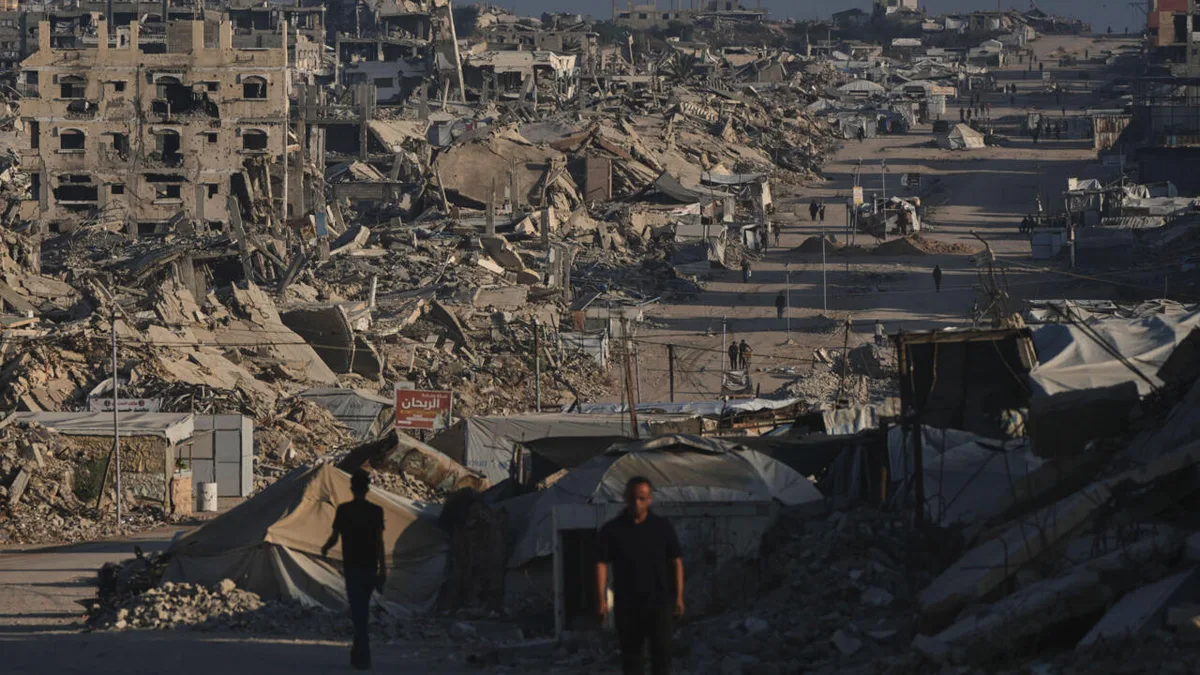
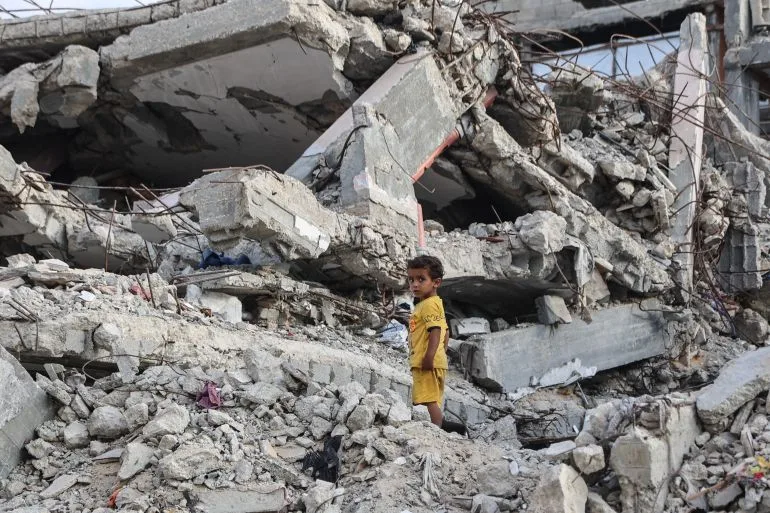
In response, Israel launched a military campaign in Gaza that has killed more than 73,000 Palestinians, according to Gaza’s health ministry, whose figures are recognized as reliable by the UN [1, 7, 2, 3, 5, 6]. Israeli forces currently occupy 70 to 80 percent of the Gaza Strip, which has suffered over 90 percent destruction [1, 7]. Since a ceasefire took effect on October 10, 2025, at least 1,053 Palestinians, mostly killed by Israeli forces, have died, while Israel has lost 5 soldiers and 1 contractor [1, 7].
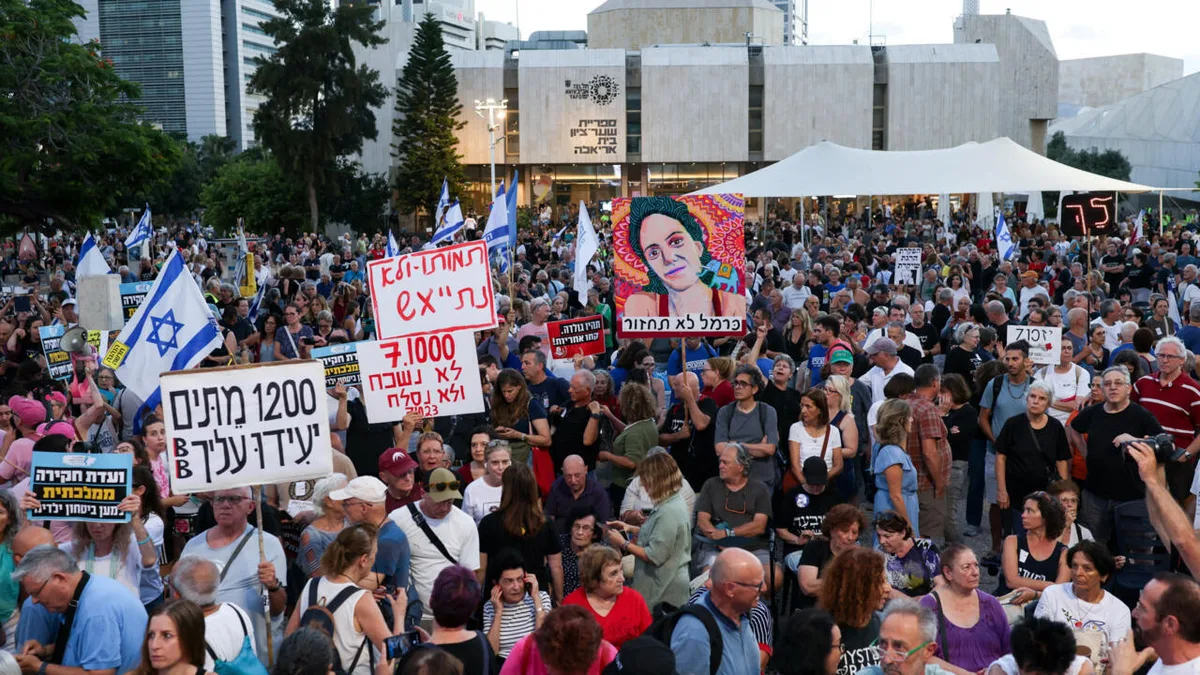
Protests in Israel have focused on calls for a state commission of inquiry into government failures to foresee and handle the Hamas attack [1, 2, 3, 4, 5, 6, 8]. The October Council, representing victims’ families and hostages’ relatives, led many of the events and urged an independent investigation [1, 2, 3, 4, 5, 6]. The 'Hostages Square' in Tel Aviv was temporarily renamed 'Memory Square' for memorials held at Yarkon Park, featuring victims’ families and protest leaders [1, 2, 3, 4, 5, 6].
Many Israelis, including affected families, say those responsible have not shown sufficient accountability. Dina Hertz, a Jerusalem resident, said, "What weighs on me most is the fact that even now, 1,000 days after the event, we are still in the middle of it, and what could have been done to reach some kind of closure has not been done... a genuine commission of inquiry" has not occurred [4]. Eyal Eshel, father of a soldier killed on October 7, said, "For a thousand days, we have continued counting, and we will keep counting until a state commission of inquiry is established and until this government is no longer in power" [4]. An Israeli hostage mother added, "We together demand the establishment of a national commission of inquiry, and demand all those negligent to take responsibility" [8].
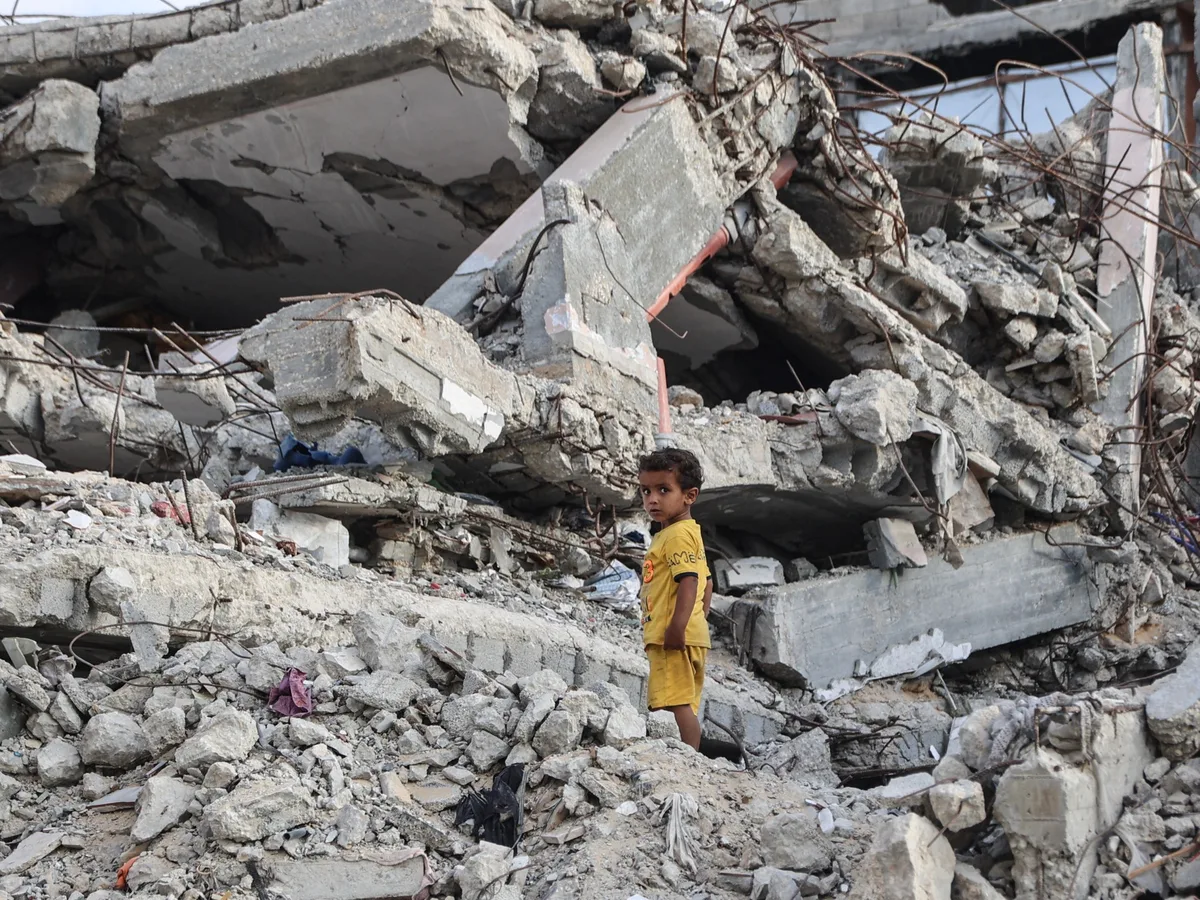
Meanwhile, Gaza faces a dire humanitarian crisis with an estimated 68 million tonnes of rubble and 400,000 people eating only one meal per day amid healthcare shortages [7]. A US-led ceasefire board created in January 2026 to oversee the truce and reconstruction has failed to secure Israeli cooperation or funding [7]. Palestinian refugee Munawar described 1,000 days of hardship: "1000 days of suffering, tragedy and displacement, 1000 days of queuing for food, no water, cooking by fire... 1000 days of pain, unemployment and hunger" [8].
The memorials and protests come as Israelis continue pressing for a formal government inquiry and justice for the victims more than two years after the Hamas attack [1, 4, 8].