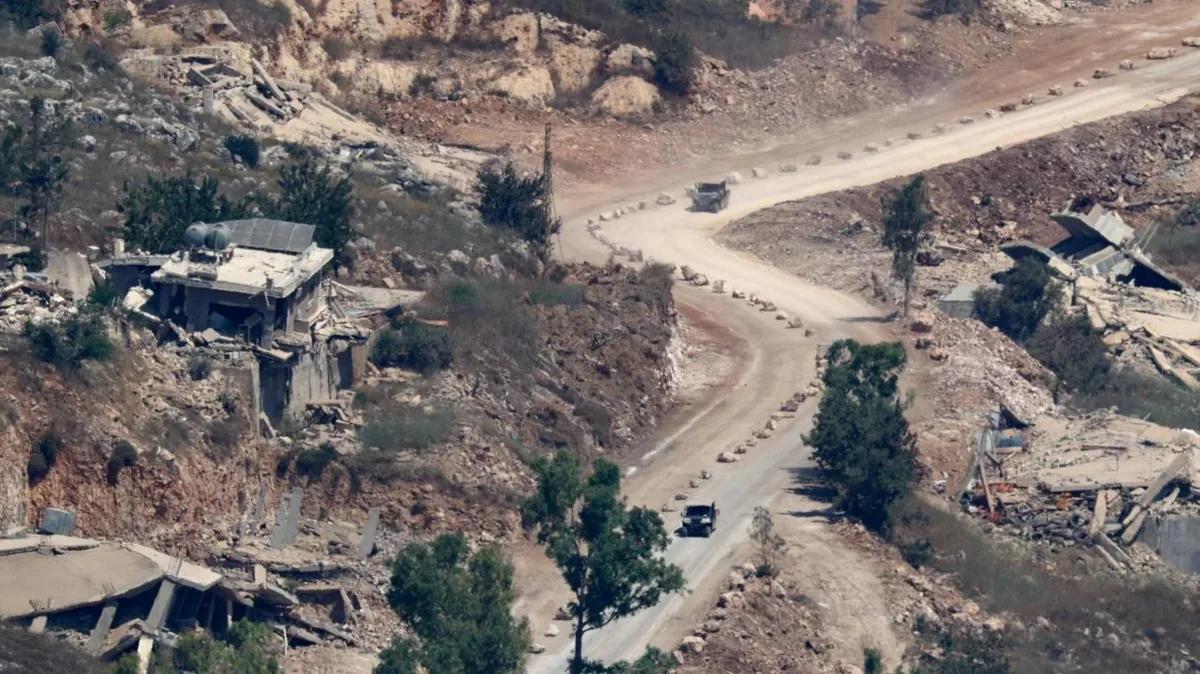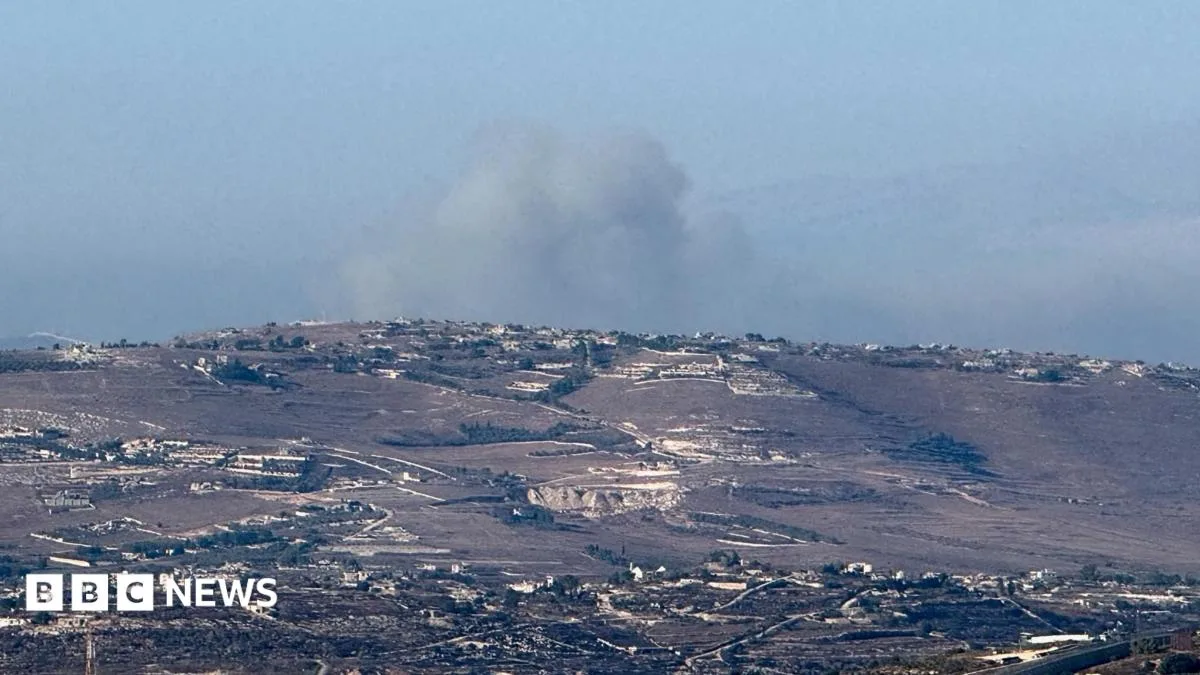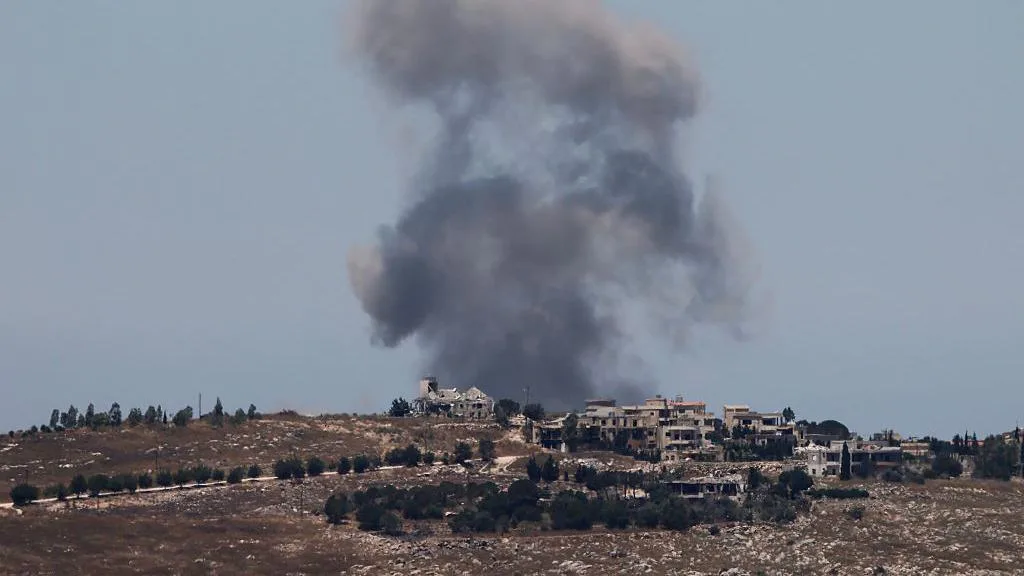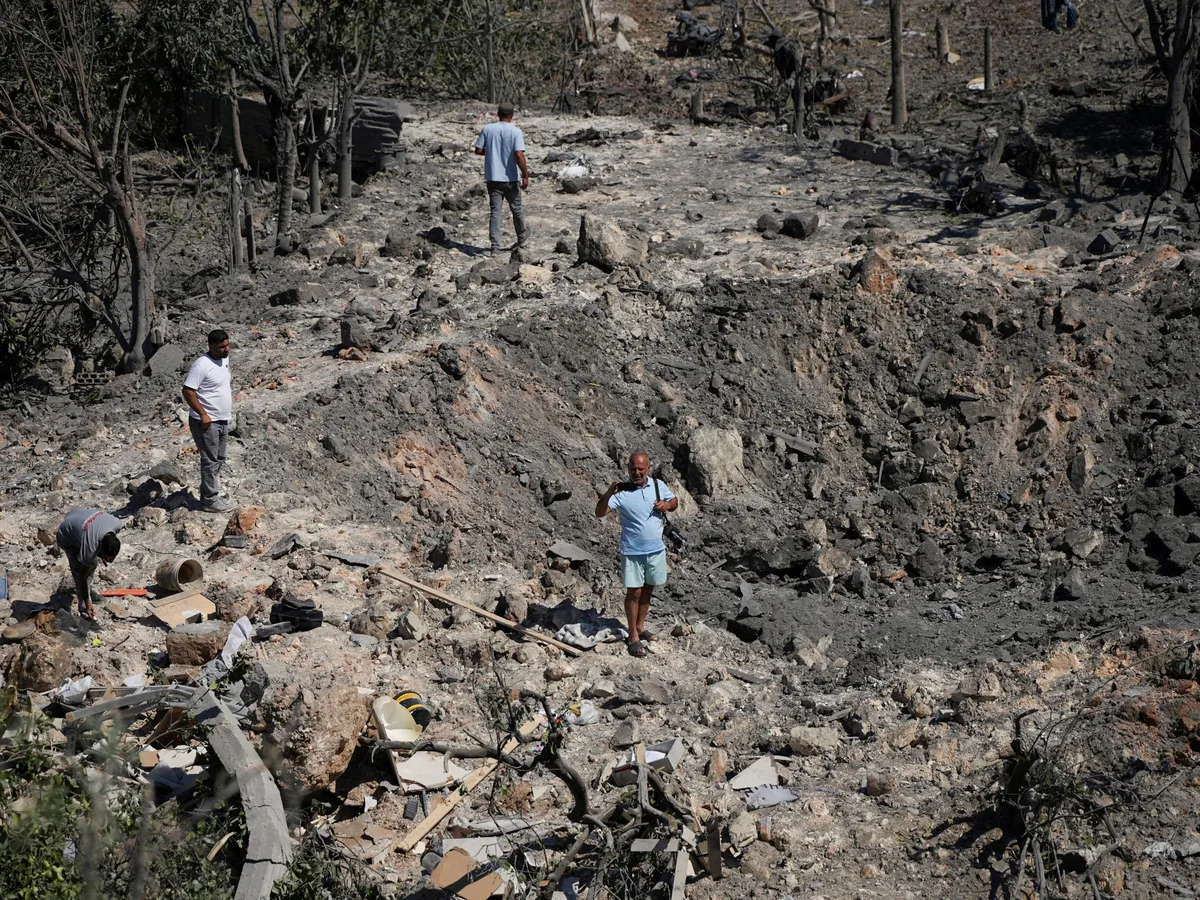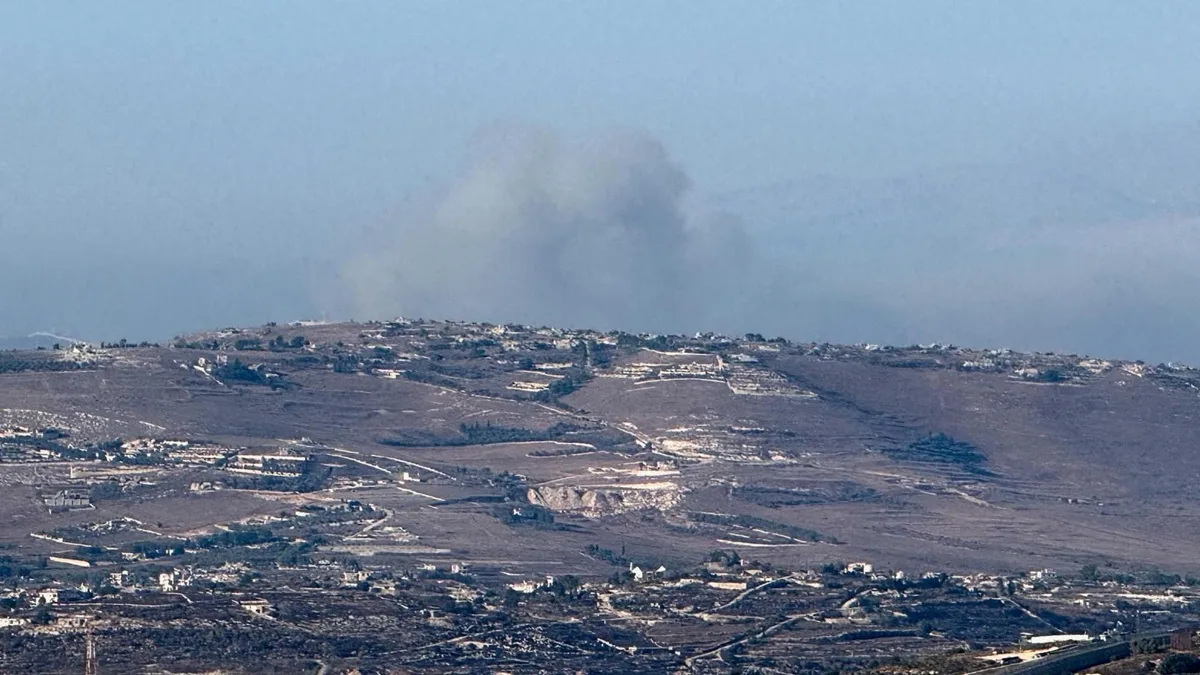
The Israeli military resumed targeted strikes in southern Lebanon on August 5, citing violations of the ceasefire by Hezbollah, marking a return to active hostilities during ongoing US-mediated talks [1, 2, 3, 4, 5]. Alongside the strikes, Israel issued an evacuation warning for the village of Mansouri, the first such displacement order in nearly six weeks [1, 2, 3, 4, 5, 6]. Mansouri lies within a self-declared Israeli security zone in southern Lebanon [1, 2, 7]. Israeli military Arabic-language spokesperson Lt. Col. Ella Waweya said, "In light of Hezbollah's violations of the ceasefire agreement, the Israel Defense Forces are compelled to act against it with force" [6].
A man was killed and 12 others injured when an Israeli strike hit the prayer hall roof at the cemetery in the town of Tibnin on August 5 [1, 8, 3, 4]. Later the same day, two Israeli soldiers were killed and several others wounded by an improvised explosive device (IED) in the southern Lebanese village of Majdal Zoun during a military operation [8, 4, 7, 9]. Majdal Zoun and nearby Majdal Selem are disputed areas with differing reports on Hezbollah presence; some sources claim no militant presence while others report tunnels and operations linked to Hezbollah [4, 7].
Israeli strikes continued intermittently in southern Lebanon beyond August 5, hitting villages including Burj Shemali and Mansouri, resulting in multiple injuries, including at least eight wounded on August 6 [4, 7, 10]. Residents expressed frustration over the violence and displacement. Abu Rached, a Majdal Zoun resident, said, "Can’t you see what they did to south Lebanon? They’re destroying it, displacing people—even the [Lebanese] army can’t stay in Mansouri. Where are the officials?" [10]. Majdal Zoun's mayor Yousef Shehemi stated, "Mansouri is not part of Israel’s occupation zone. But Israel has no red lines—they target where they want. They have not respected any ceasefire" [10].
The Israeli military stated its strikes were in direct response to a "blatant violation of the ceasefire by the Hezbollah terrorist organisation," emphasizing precision in its operations [1, 3, 5]. Since March 2, Israeli attacks in Lebanon have killed at least 4,333 people and injured over 12,250, according to Lebanese Health Ministry data [11, 4, 7, 9].
Lebanese officials and Israeli representatives are currently engaged in the seventh round of US-mediated ceasefire talks in Rome, ongoing from August 5 through 7 [1, 11, 3, 5, 9]. The talks build on a June 26 framework deal that laid out Israeli withdrawal from southern Lebanon and Lebanese army deployment in pilot zones once Hezbollah disarmament occurs [1, 11, 3]. However, Hezbollah has rejected this framework, stating the linkage between Israeli troop withdrawal and their disarmament crosses "all red lines" [1, 10].
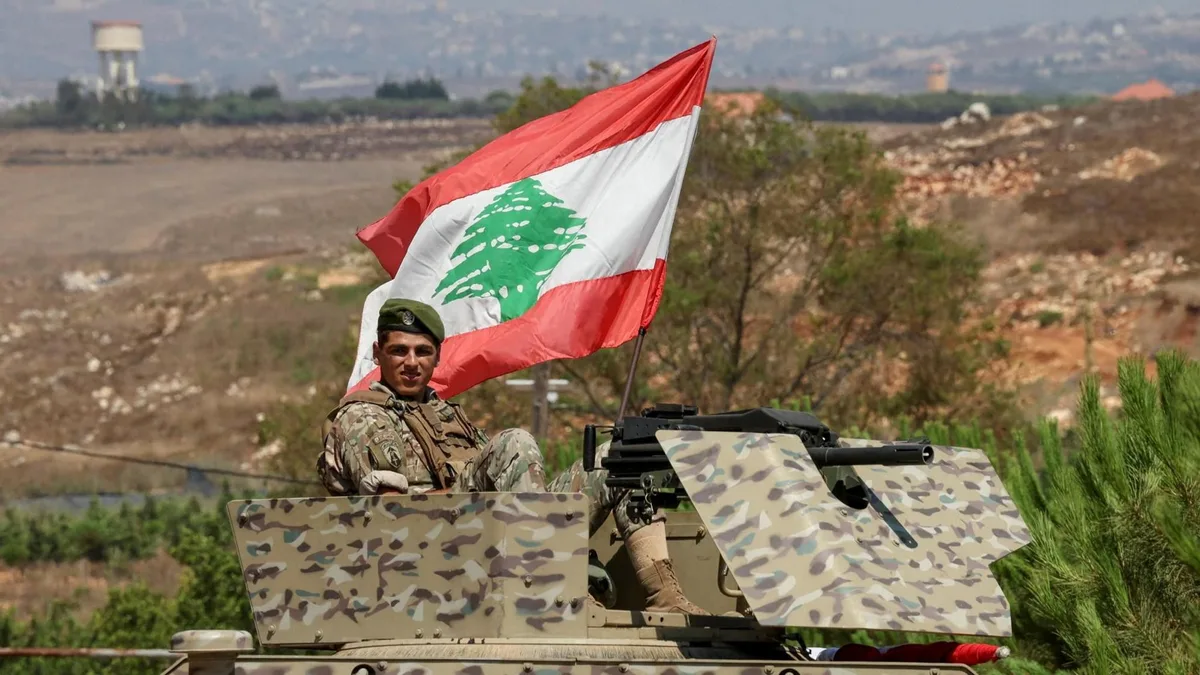
Earlier in July, the Lebanese army deployed to a pilot zone in southern Lebanon after Israeli withdrawal from Zawtar al-Gharbiyeh, the first in a series of zones planned under the framework [1].
The ceasefire talks in Rome are scheduled to continue through August 7, as diplomats seek to negotiate terms amid ongoing violence on the ground [1, 11, 3, 5, 9].