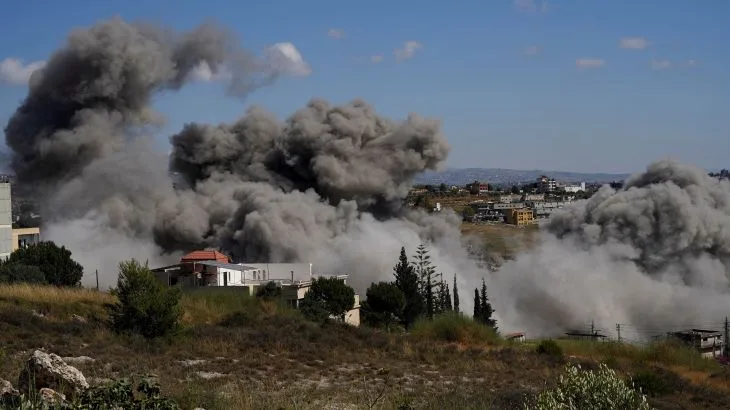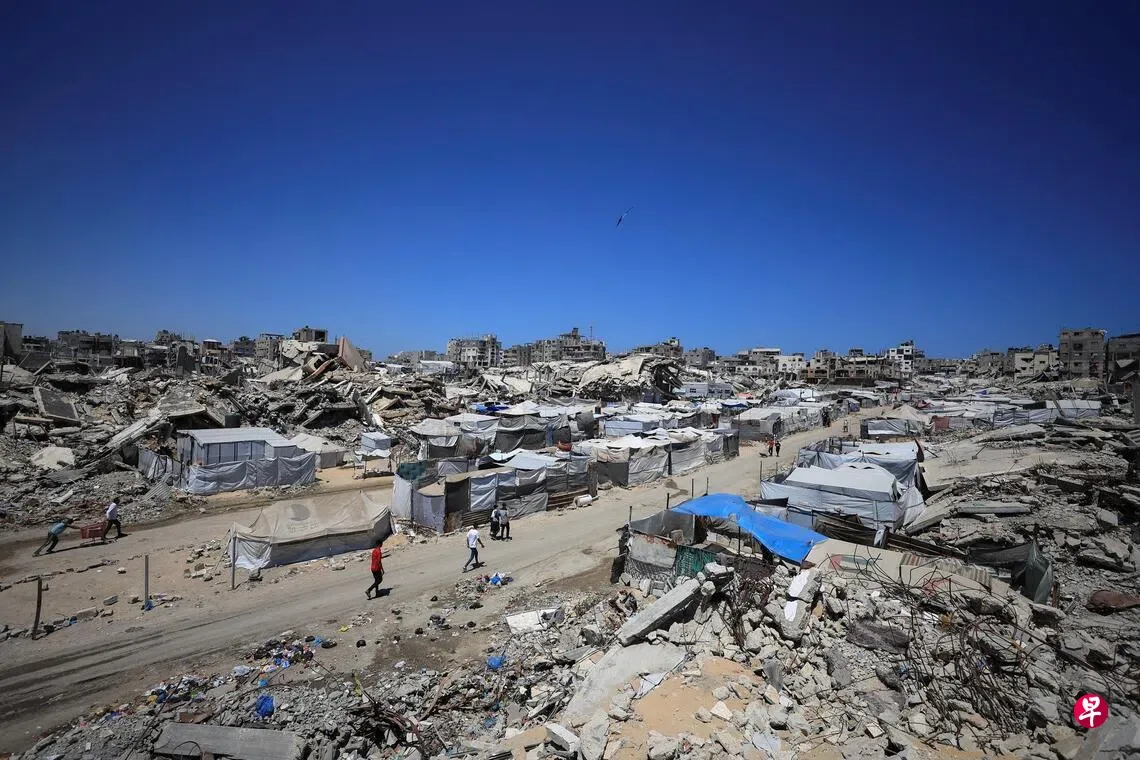
Israeli forces launched attacks in Gaza on June 14, killing six people and injuring others as clashes persist despite a ceasefire agreement. [1, 2]
An airstrike targeted the Jabalia refugee camp in northern Gaza, killing four and wounding many more. The Israeli military described this strike as an operation against Hamas militants. [1]
In addition, two people were shot dead by Israeli forces in the southern city of Khan Younis. [1, 2]
The violence continues despite a ceasefire brokered by the United States, with both Israel and Hamas accusing each other of violations. [1]
Israel's Defense Minister, Yoav Katz, announced that Israeli forces will remain indefinitely in buffer zones in Lebanon, Syria, and Gaza. He stated the troops would hold their positions in these "security buffer zones." [1]
Since the ceasefire took effect on October 10, 2025, at least 936 Palestinians in Gaza have died from Israeli attacks, reflecting the ongoing instability and flare-ups of violence. [1]
The details of the June 14 attacks mark the deadliest violations since the ceasefire began, with the airstrike on Jabalia and shooting in Khan Younis underscoring the fragile situation in Gaza. [1, 2]
Israeli forces holding buffer zones indefinitely signals a sustained military presence despite the declared ceasefire, indicating continued tensions in the region. [1]