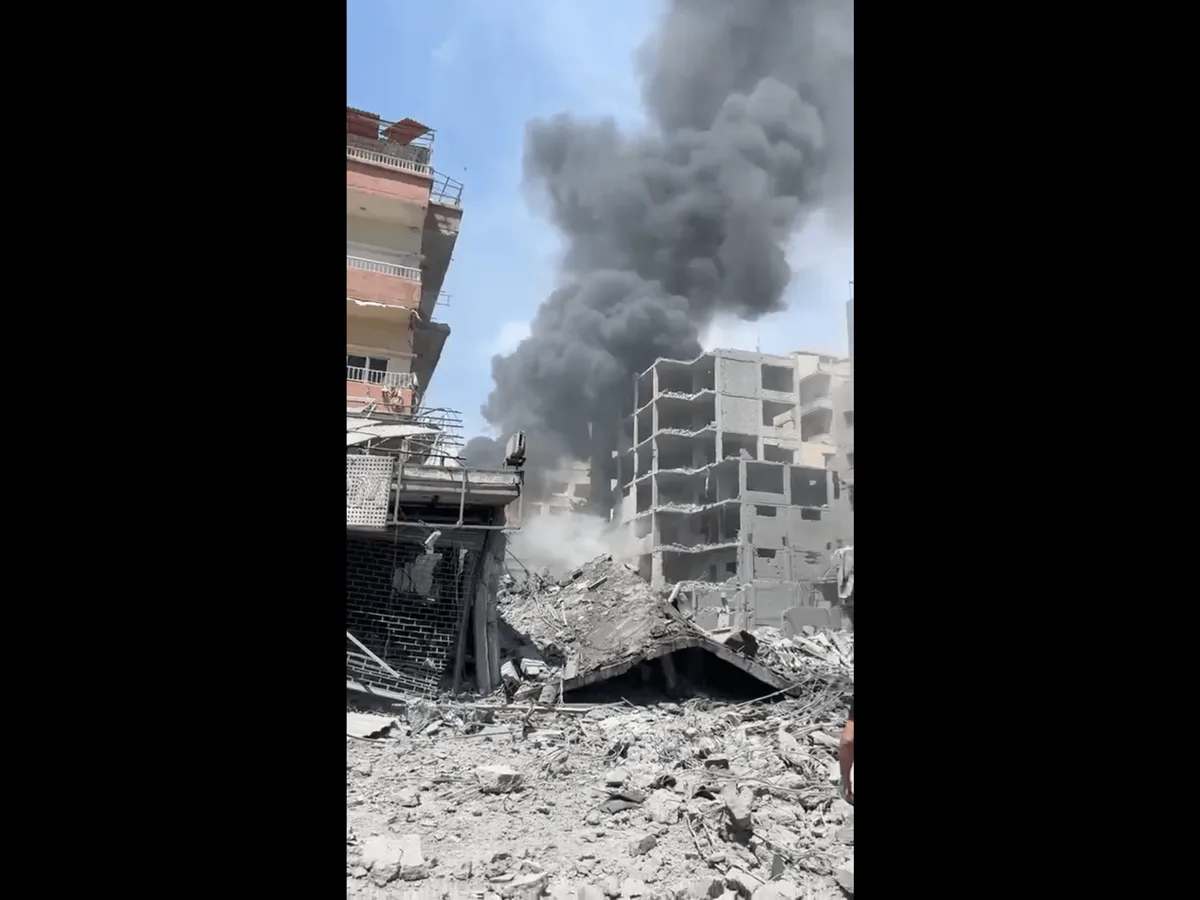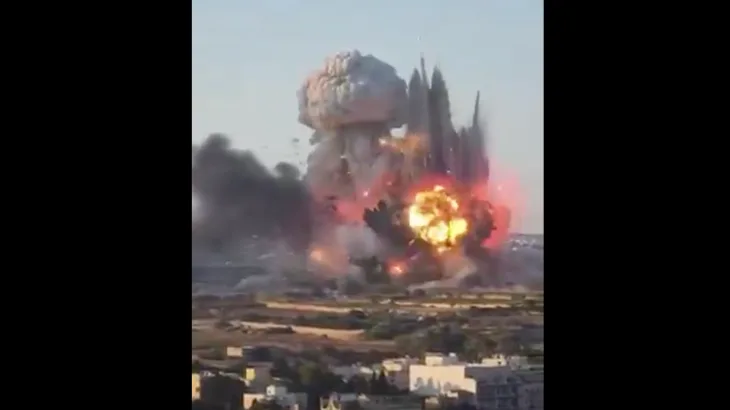
Israeli airstrikes on May 31 targeted densely populated neighborhoods in Tyre, southern Lebanon, causing widespread destruction to residential buildings. [1] At least 12 people were killed and dozens wounded in attacks across southern Lebanon that day, including four deaths in Al-Abbassiyah town, Tyre district, and eight deaths with 16 injuries in Deir al-Zahrani, Nabatieh. [2, 3] Three others, including two children, were wounded in Ansar town. [3]
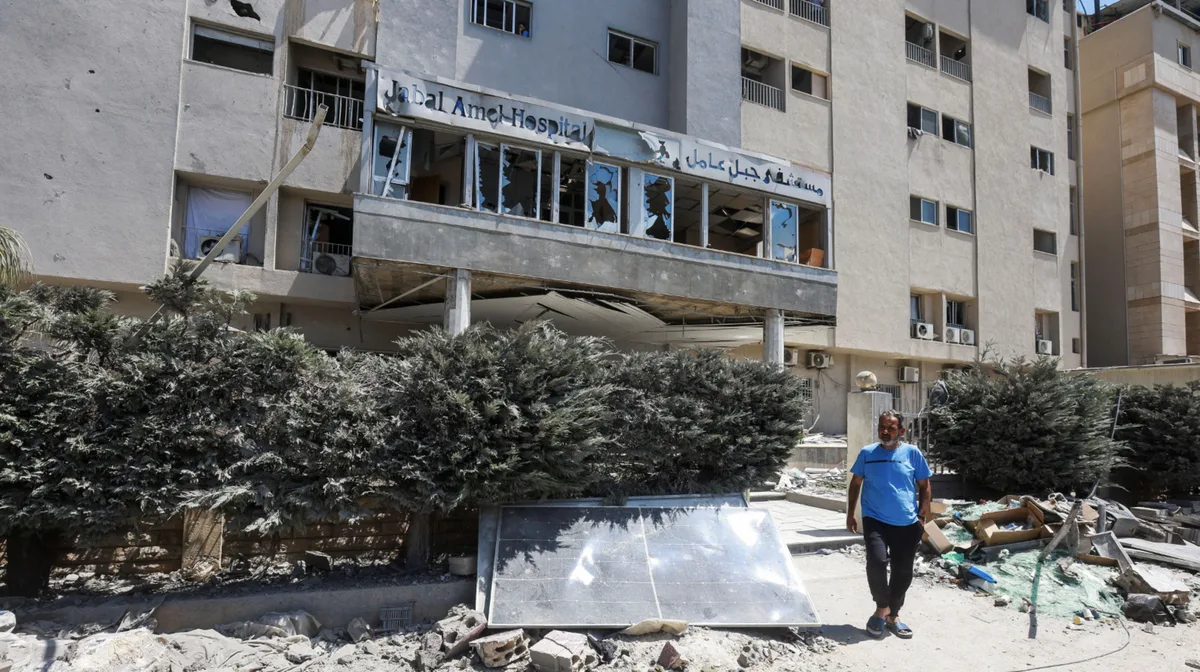
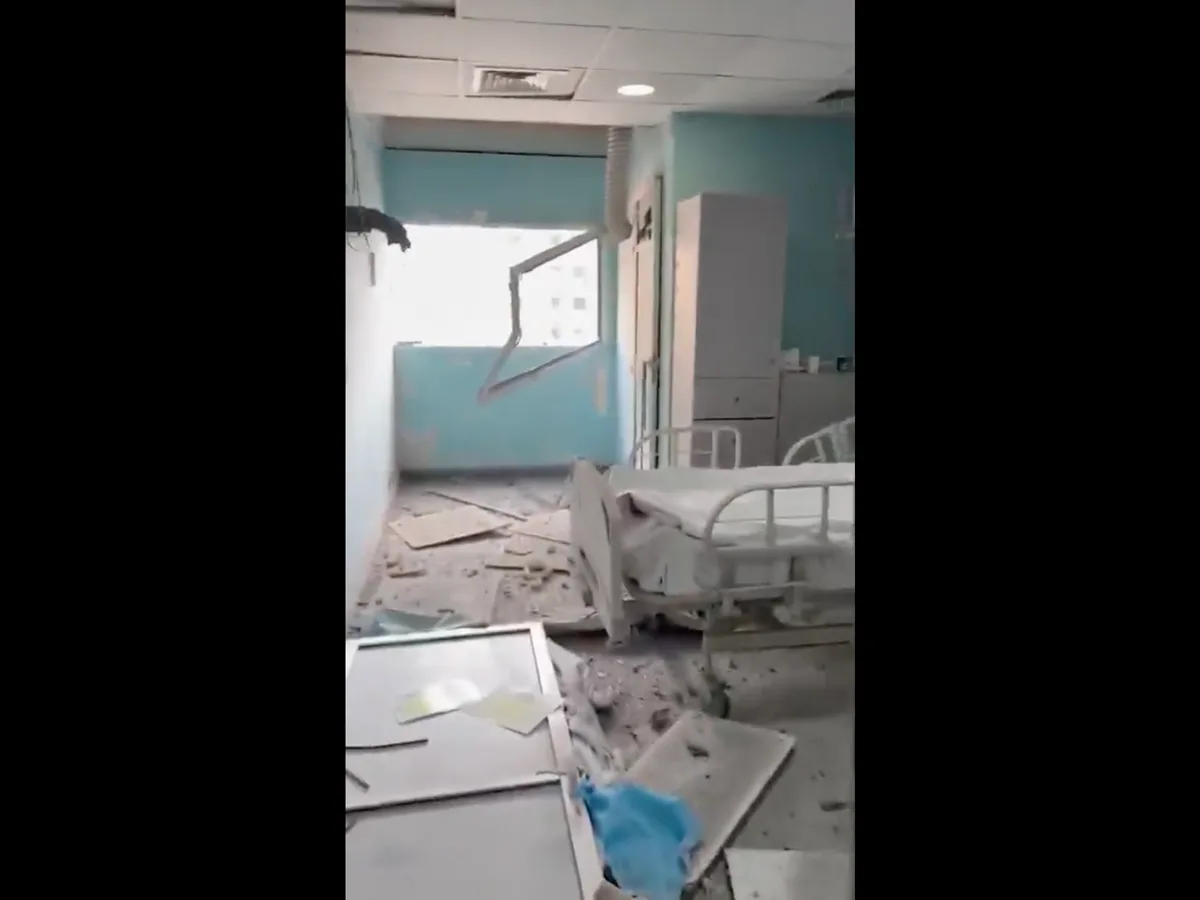
The bombardment severely damaged key medical facilities in Tyre. Jabal Amel Hospital sustained strike damage that destroyed wards, operating rooms, and medical equipment. [4, 5, 3] Nearby Hiram Hospital also suffered "severe damage," following earlier attacks on the facility. [3] Thirteen healthcare workers were among the injured near Hiram Hospital. [3]
On June 1, an early morning Israeli airstrike again hit Deir al-Zahrani, killing 8 people and injuring 19, including 3 women killed and 5 children with 6 women injured. [6] The strike damaged Jabal Amel Hospital’s wards and medical equipment further. [4, 5, 6]
Israeli attacks have continued across Lebanon since March 2, killing over 3,400 people and injuring more than 10,000, while displacing over 1.6 million residents. [3, 6] These strikes violate a fragile ceasefire agreement that has been in place since mid-April and extended since May 17. [2, 6]
The Lebanese Health Ministry condemned the attacks, stating, "The international community should put an end to the escalating Israeli attacks, which are expanding without regard for international humanitarian law, UN resolutions, and international norms." [3]
The most recent strikes have intensified humanitarian suffering in southern Lebanon with extensive civilian casualties and critical damage to hospitals. The conflict remains active despite the ceasefire, and additional fighting could occur in the coming days.