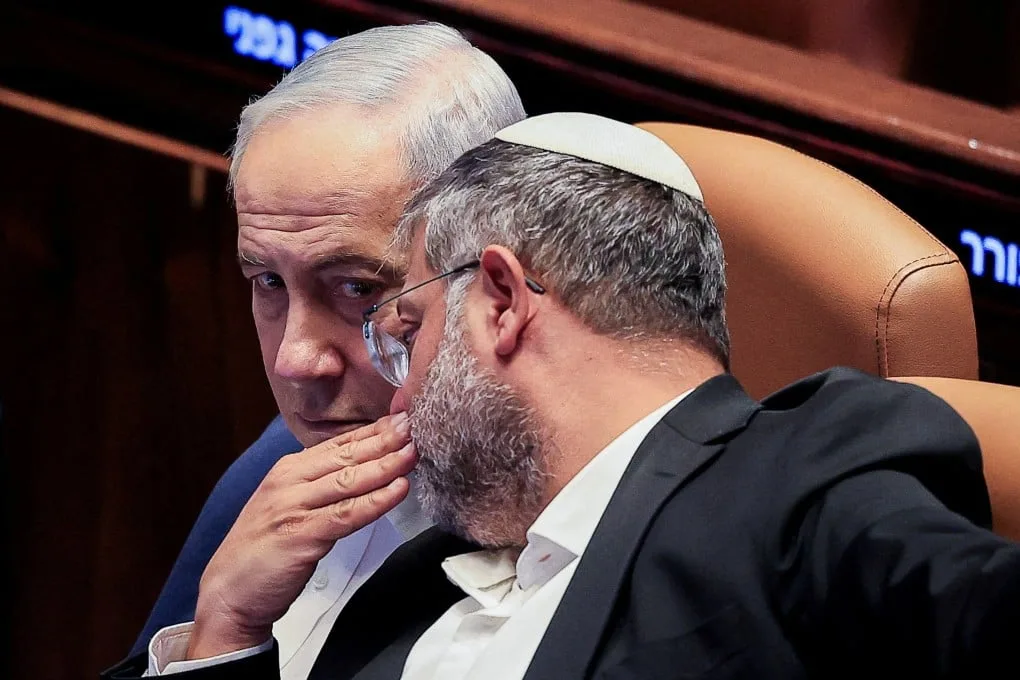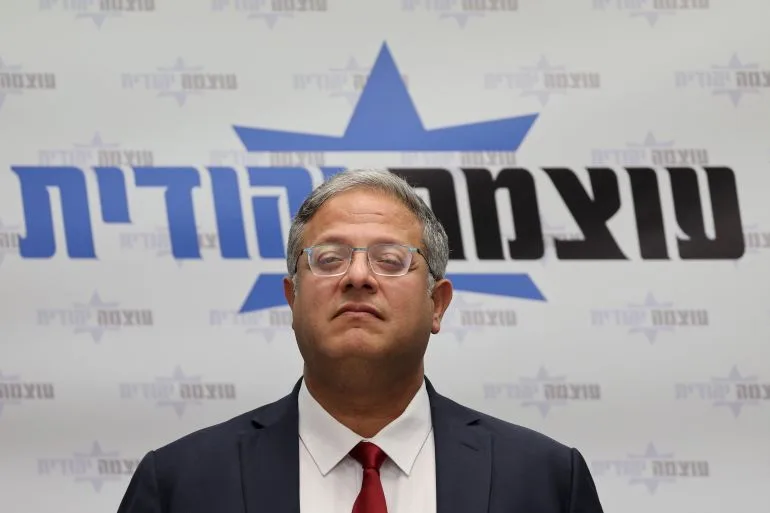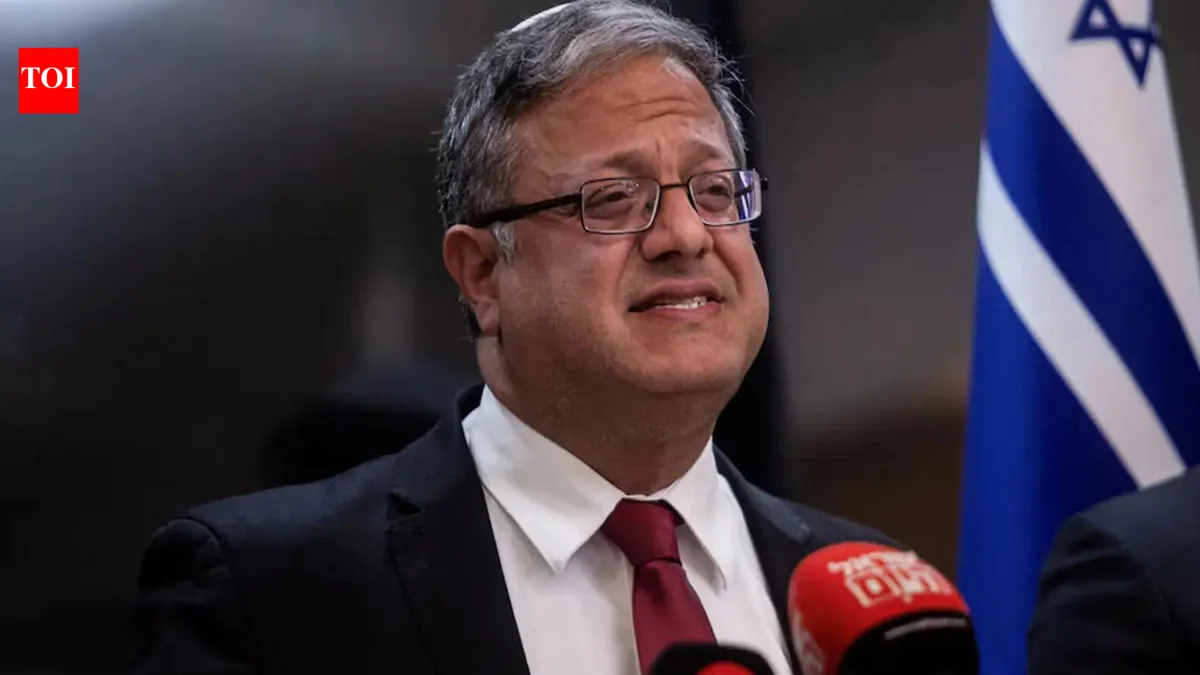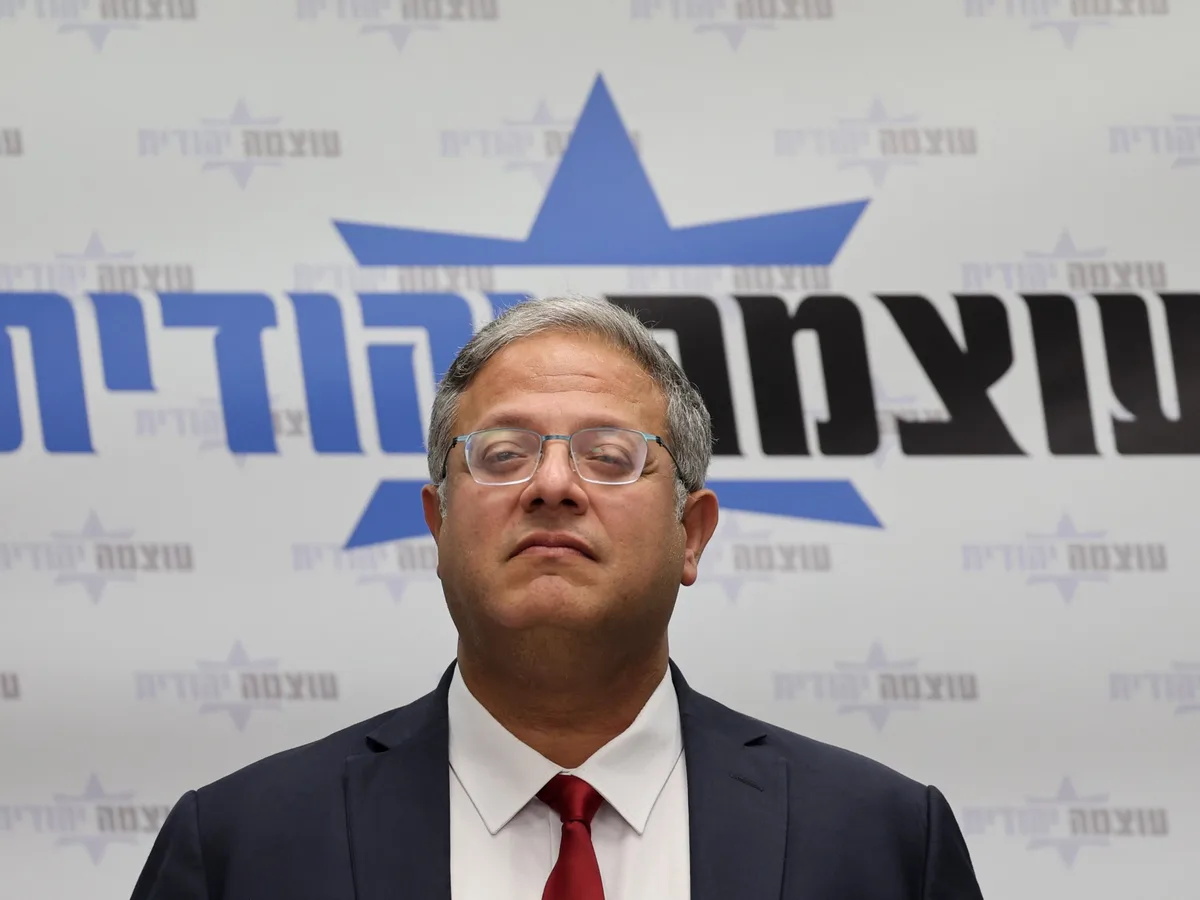
Israeli National Security Minister Itamar Ben-Gvir publicly called for the killing of 30 to 40 Palestinians in Gaza every night. He said these killings should extend beyond targeting only those who pose an immediate threat, declaring, "There are people there who are not worthy of life. They shouldn’t live. They’re not even people," during a podcast interview aired August 16, 2026 [1, 2, 3].
Ben-Gvir criticized Prime Minister Benjamin Netanyahu’s recent decision to scale back military strikes in Gaza, saying, "It’s no secret, I disagree with the prime minister. I think targeted assassinations should be carried out in Gaza, taking down 30 to 40 every night" [1, 2]. He also expressed willingness to facilitate the execution of Palestinian prisoners convicted of deadly attacks and promised to "turn the world upside down" to allow such executions [2].
Though Ben-Gvir does not hold formal authority to order military action, he is influential in Israel’s security cabinet and oversees police and prison services [1, 2, 4]. Under his leadership, Israel’s top court ruled in 2025 that conditions for Palestinian prisoners, including reduced food rations he bragged about, violated minimum subsistence requirements [4].
Ben-Gvir also called for encouraging Palestinians to leave Gaza permanently and for Israeli resettlement of the Gaza Strip, stating, "I see all of Gaza as ours" [2, 3]. He has called for outlawing Israeli rights groups that promote Palestinian-Israeli coexistence, accusing them of supporting terror [3].
Since an October 2025 truce, more than 1,250 people have been killed in Gaza due to Israeli strikes, which have recently eased [4]. The conflict escalated after Hamas-led attacks on Israel on October 7, 2023, triggering ongoing violence [1, 4]. On October 13, 2025, Rom Braslavski, a former Israeli captive held in Gaza, was released in a prisoner exchange; he later appeared on Ben-Gvir’s podcast [3].
German Vice Chancellor Lars Klingbeil condemned Ben-Gvir’s remarks as "inhumane" and called for the European Union to seriously consider sanctions against him. Other German politicians have pushed for entry bans and EU sanctions due to Ben-Gvir’s statements [5]. Klingbeil said, "I described (Ben-Gvir’s) statements as 'inhumane' and called for serious consequences" [5].
Ben-Gvir’s comments and the international reaction mark a new flashpoint in Israeli-Palestinian tensions. German officials expect to discuss EU sanctions on Ben-Gvir on August 19, 2026 [5].