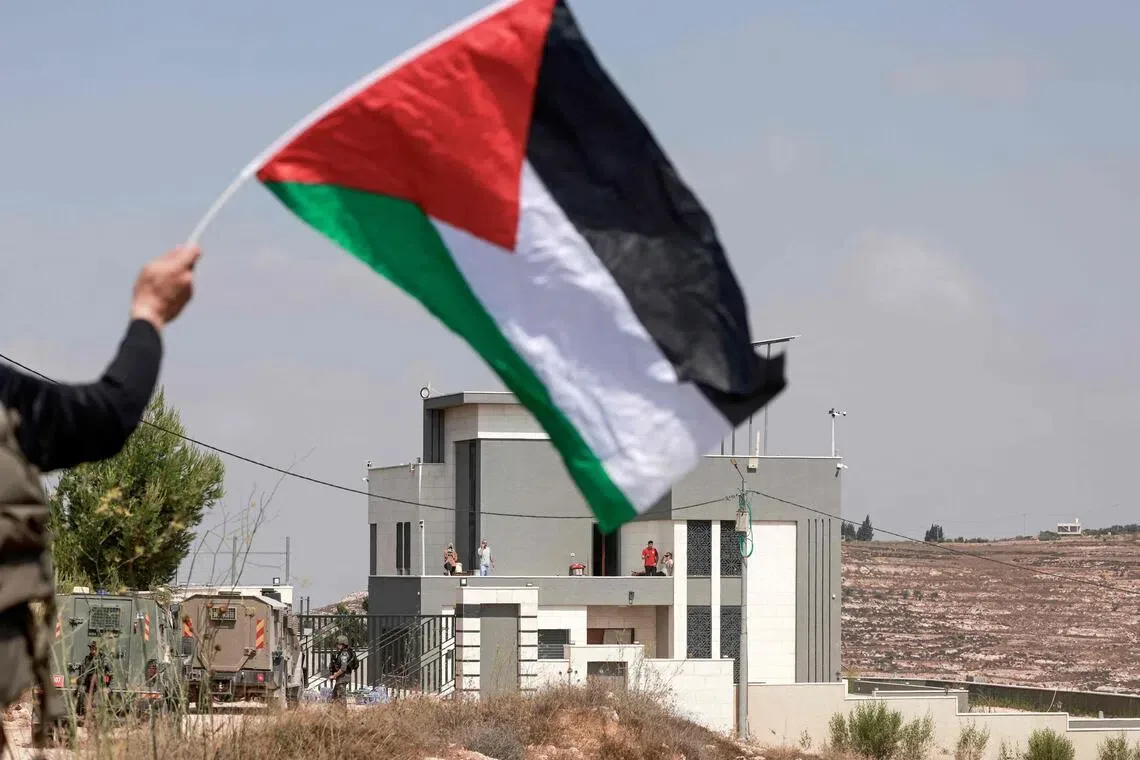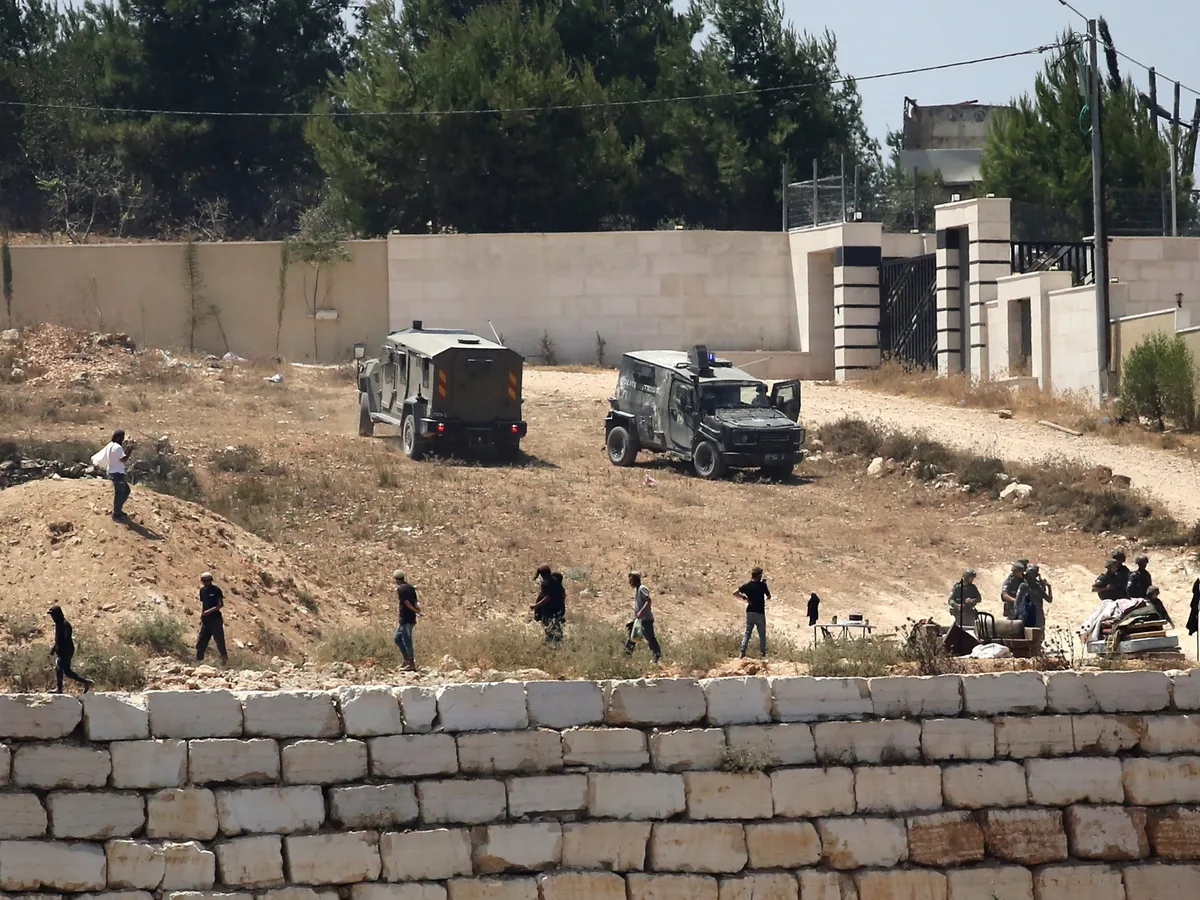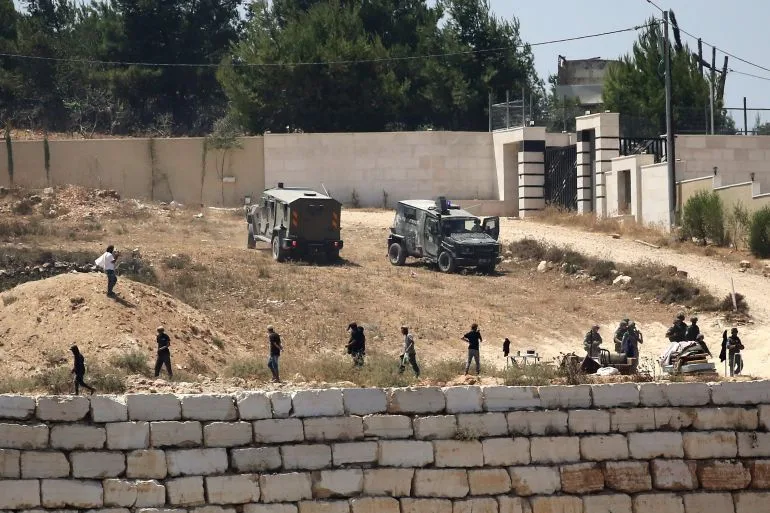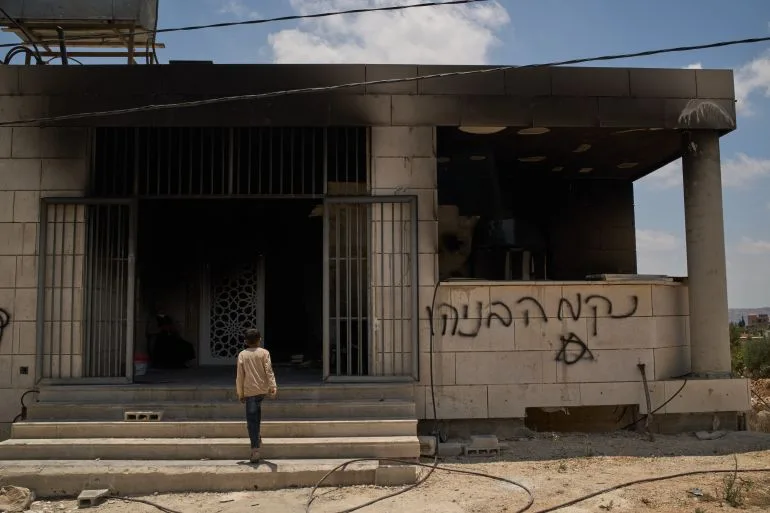
Israeli settlers besieged three Palestinian homes in the Ras al-Ain area of Qusra in the occupied West Bank for about a week starting August 9, 2026. They blocked roads, cut off electricity and water, and set up tents and temporary structures around the homes, trapping about 15 Palestinians including children without basic supplies [1, 2, 3, 4].
The Israeli military deployed in Qusra to protect residents and maintain security but removed tents erected by settlers and declared the area a closed military zone. Despite these measures, settlers re-erected tents after they were taken down by security forces [1, 2, 3, 4].
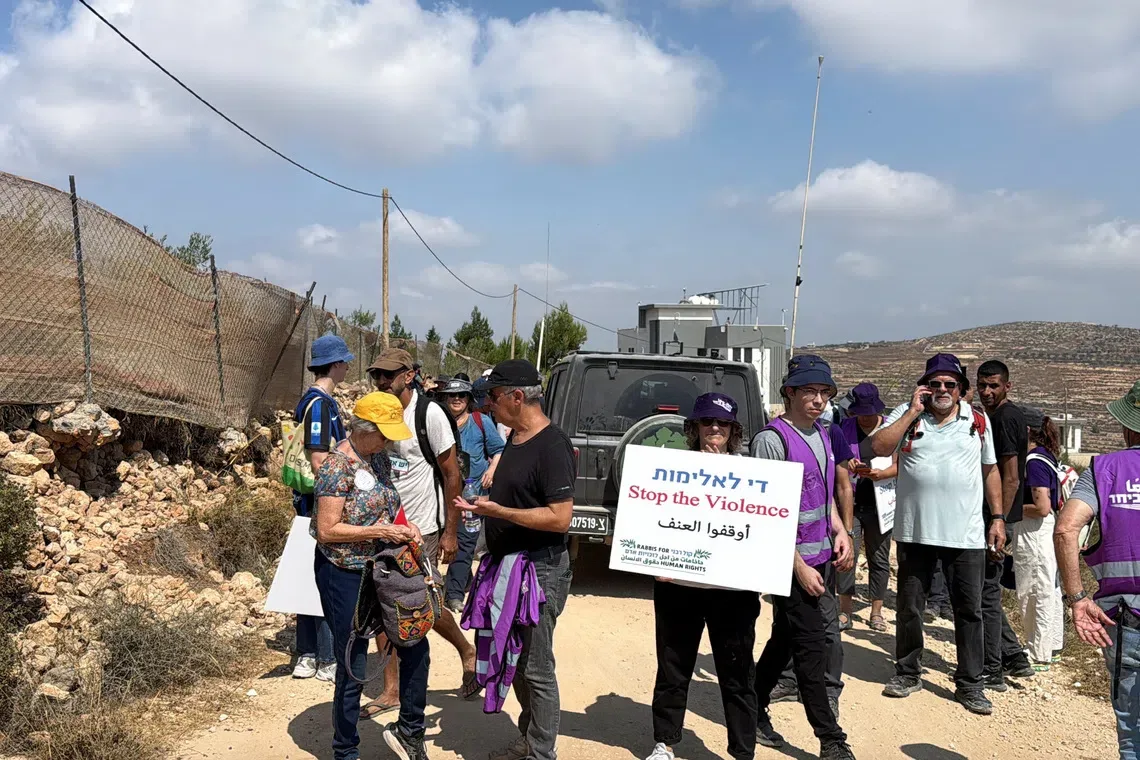
On August 13, Israeli soldiers raided Qusra, evacuated residents, and seized 16 Palestinian homes, converting them into military barracks [4]. Activists tried to bring food, water and snacks to the besieged families and staged protests but were largely blocked or restricted by Israeli forces [2, 3, 4].
The siege drew sharp international criticism, with US officials pressing Israeli Prime Minister Benjamin Netanyahu to condemn the blockade after learning a Palestinian-American’s home was affected [1].
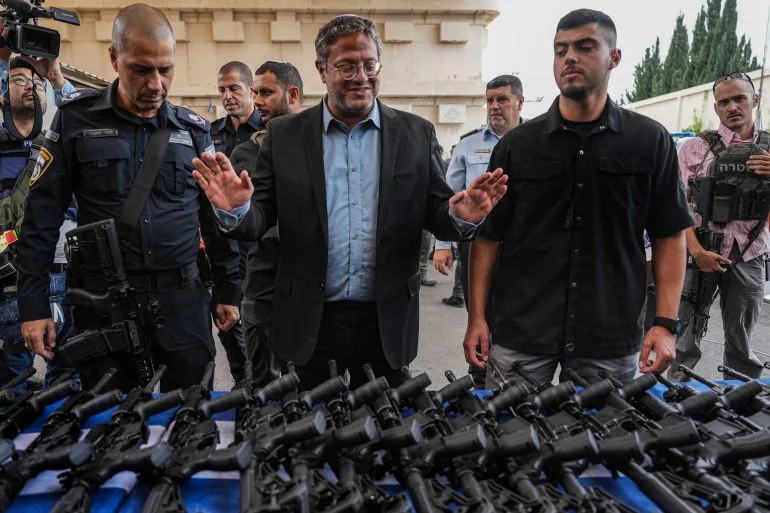
Meanwhile, Israeli Defence Minister Israel Katz announced plans to transfer settler law enforcement in the West Bank from the military to police control. Katz said, "The IDF’s role is to fight Palestinian terrorism and focus on defending borders and communities against threats. All responsibility for enforcing civil matters and maintaining law and order will be transferred to police responsibility" [2, 3].
By August 14, the situation remained tense with activists blocked from delivering aid and the military enforcing the closed zone. Katz’s announcement signals a shift in how Israel handles settler affairs in the occupied territory [1, 2, 3, 4].