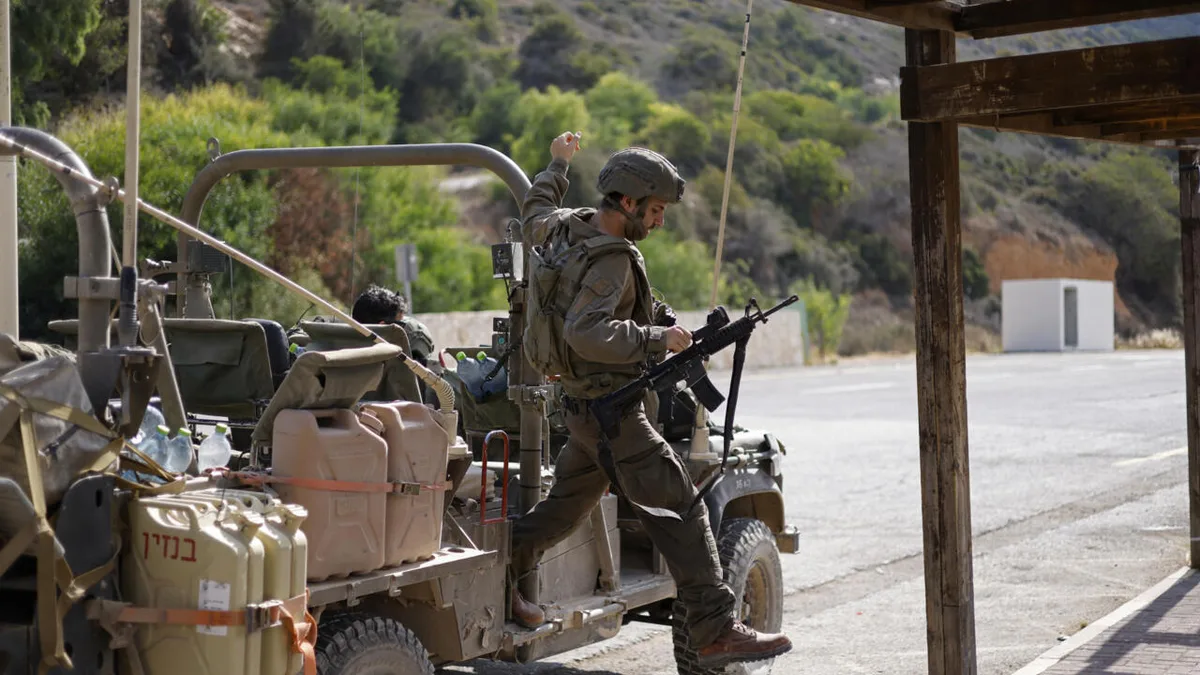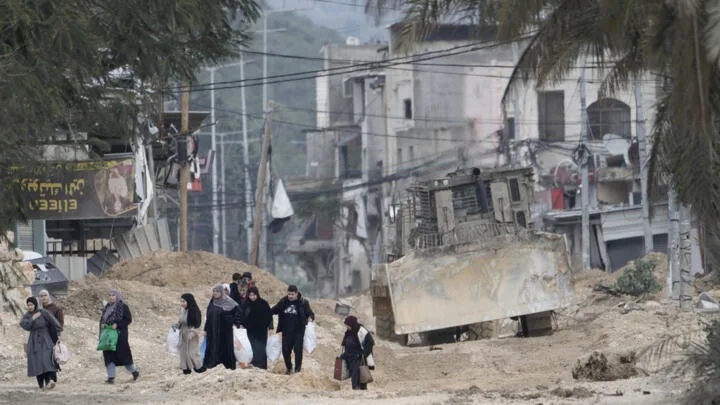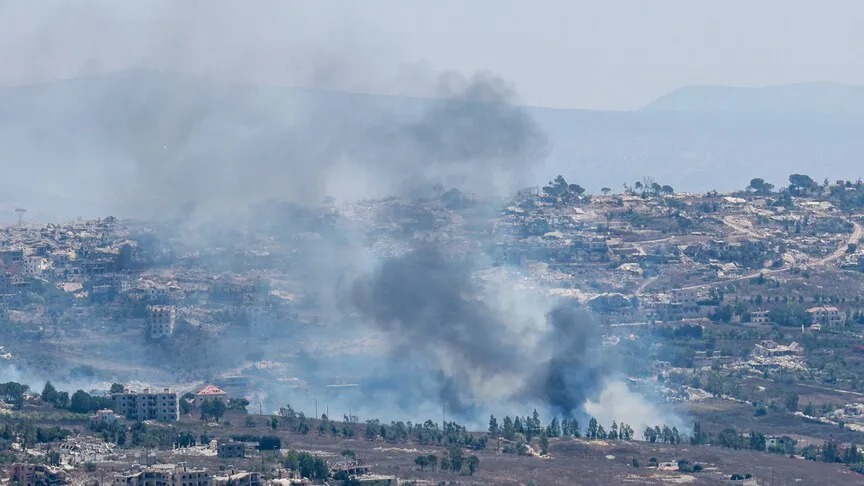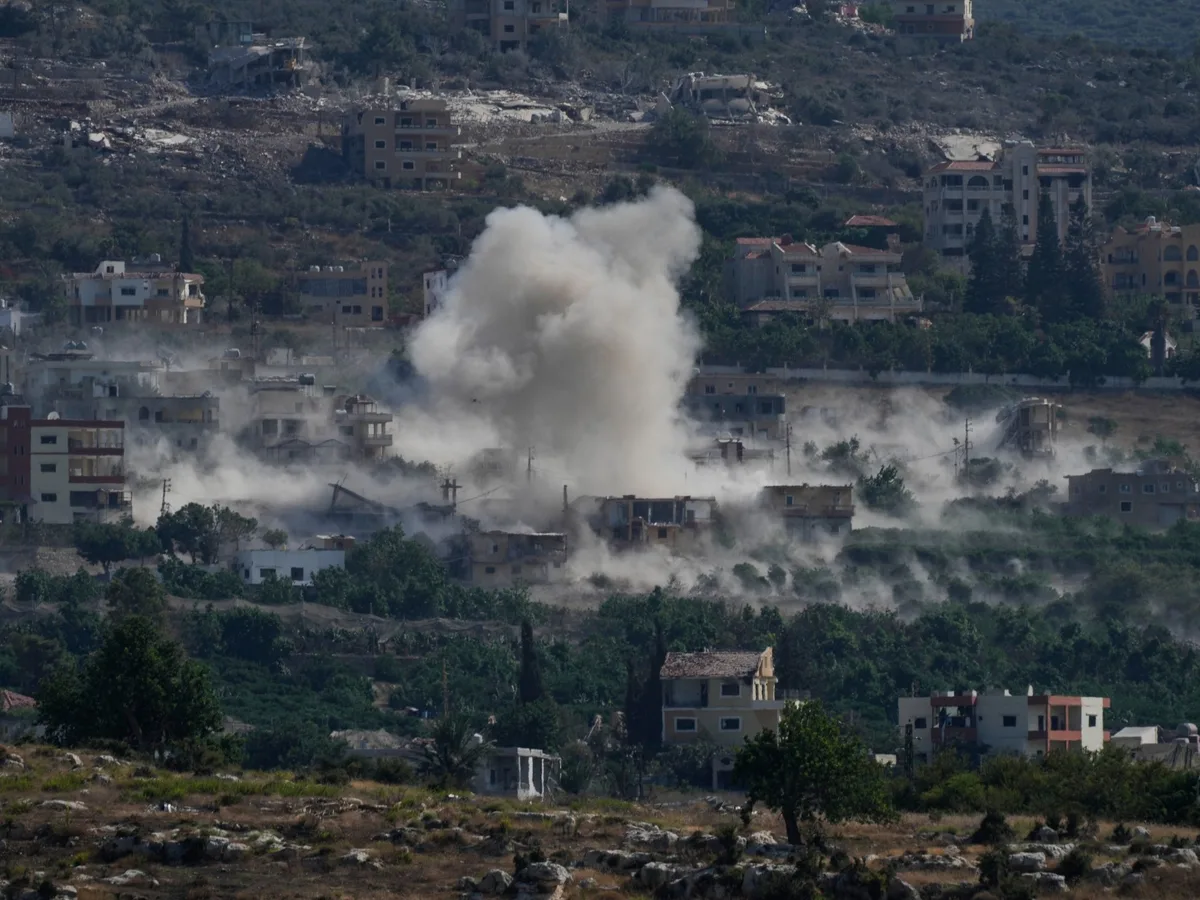
Israeli air and artillery strikes targeted multiple towns in southern Lebanon on September 4, including Kfar Reman, Nabatieh, and districts in Tyre, according to Lebanese and Israeli sources [1, 2, 3]. The strikes killed at least two people according to Lebanon’s Ministry of Public Health, though another Lebanese health source put the deaths at three [1, 2].
The National News Agency reported no casualties from attacks on seven towns in the Tyre and Nabatieh districts, contradicting other reports that strikes hit five locations across southern Tyre, Nabatieh, and the Beqaa region with deaths and injuries [1, 2, 3].
Israeli Defence Minister Israel Katz said Israeli forces cleared Hezbollah fighters from the strategic Ali al-Taher ridge during the operations, though Hezbollah has not confirmed losing control of that position [1, 2].
Since March 2, 2026, Israeli forces have expanded their military presence and intensified attacks in southern Lebanon. Lebanese authorities say these attacks have killed more than 4,000 people, injured over 12,000, and displaced more than one million residents [1, 3].
Amid the recent clashes, Israeli authorities released four Lebanese detainees captured in southern Lebanon [1].
The latest strikes signal an ongoing escalation in the conflict along the Israel-Lebanon border, with military and civilian impacts continuing to mount.
The situation remains fluid following the September 4 strikes and statements from Israeli officials. Lebanese sources have yet to confirm several claims, including Hezbollah’s control of contested areas, leaving uncertainty over immediate developments.