Italy extended the suspension of open-border Schengen travel arrangements with Spain by 15 days on August 31, continuing measures first imposed on August 1 amid a migration crisis in the Spanish enclave of Ceuta [1, 2, 3, 4, 5, 6]. The suspension requires travelers between Spain and Italy by air or sea to undergo passport controls, ending temporary freedom of movement under Schengen rules [1, 2, 3, 4, 5, 6].
The crisis was triggered when around 72,000 migrants crossed irregularly from Morocco into Ceuta on July 30-31, causing tensions and humanitarian concerns [1, 4, 5]. At least 82 migrant deaths were found on the Spanish side of the border, with Morocco confirming 14 further deaths [1].
Spain has responded by extending border controls on arrivals from Italy by air or sea for 15 days as a reciprocal measure to Italy's suspension [2, 3, 5, 6]. Spanish Prime Minister Pedro Sanchez called for EU unity on migration and mentioned Spain’s acceptance of migrants during simultaneous events on Lampedusa island. He said Spain will extend border controls on travelers entering by sea or air from Italy for two more weeks as a "reciprocal response" to Italy’s decision [2, 3, 6].
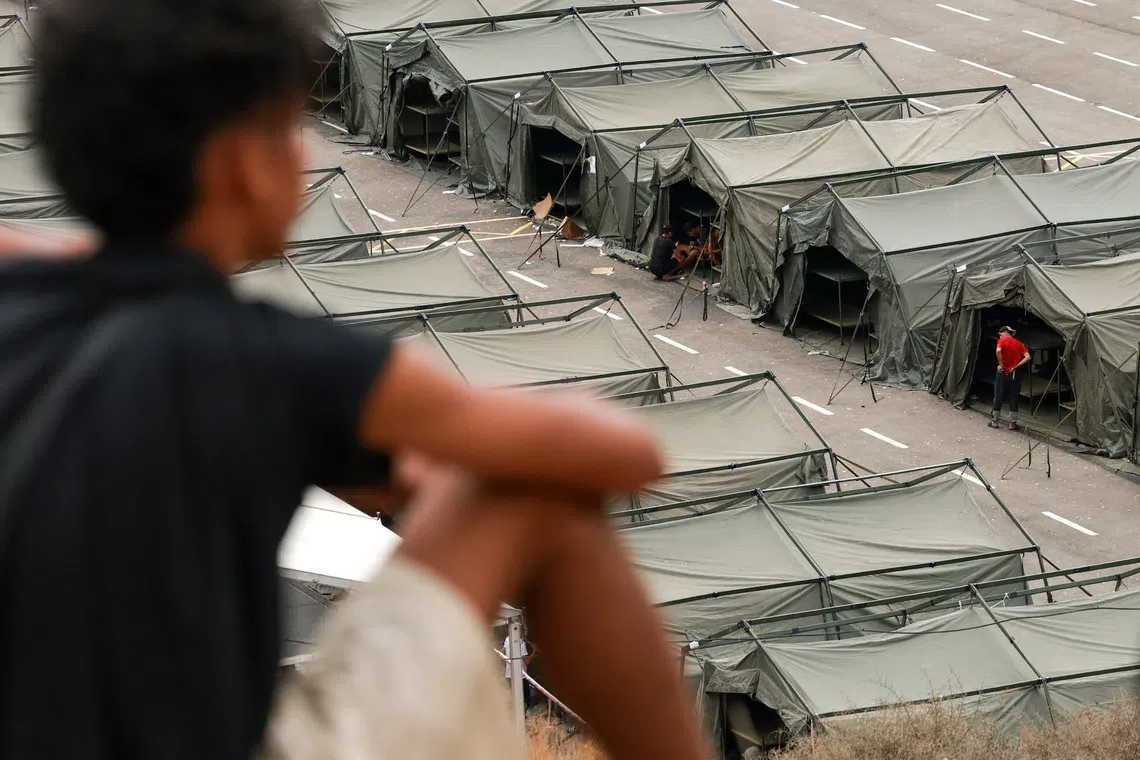
The Spanish cabinet reportedly approved an additional aid package of 168 million euros (about 200 million USD) to address the economic impact of the crisis in Ceuta [2, 3, 6]. Meanwhile, the situation in Ceuta remains tense and chaotic, with hundreds of migrants attempting to storm government tents, leading to crowd conflicts and police using gunfire to control unrest [2, 3, 6].
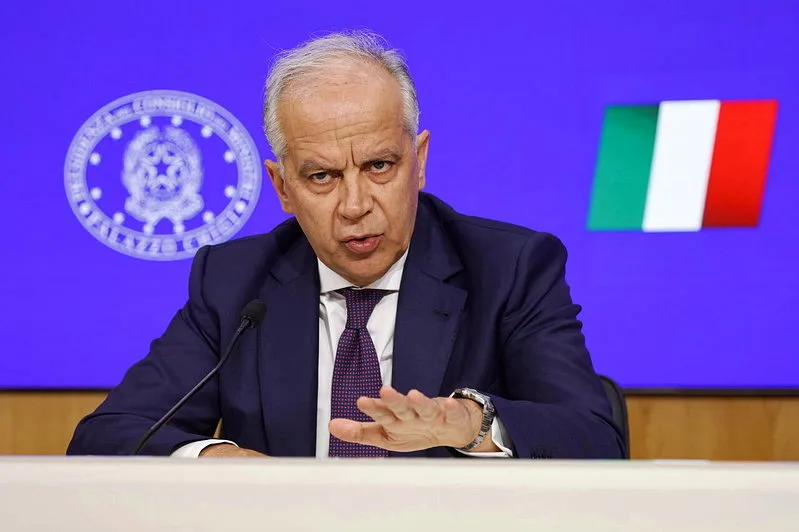
Italy’s Interior Minister Matteo Piantedosi said the extension was based on expert analysis and indicated it may be the last extension, reflecting concerns over migration and security. He said the decision to extend was "based on expert analysis, and I believe this may be the last extension" [2, 3, 6].
Italy’s right-wing government, led by Prime Minister Giorgia Meloni, faces pressure from far-right parties calling for stricter immigration controls ahead of elections [1, 4]. The suspension aims to prevent migrants crossing through Spain from reaching Italy [1, 4]. Twenty-two EU countries criticized Spain’s relatively open migration policies, calling them a "pull factor" that contributed to the Ceuta crisis [4, 5].
The extension continues passport checks on travelers between the two countries by air and sea starting September 1 for 15 days. Spain’s reciprocal border controls will apply during the same period [1, 2, 3, 4, 5, 6].