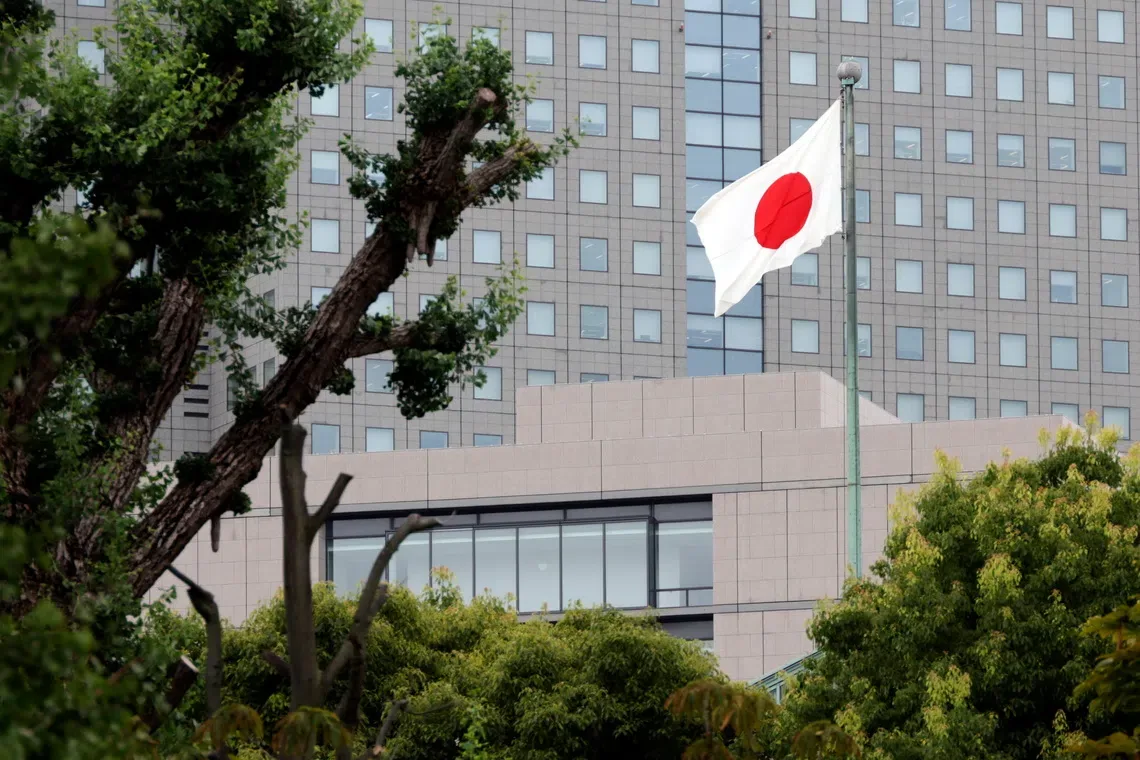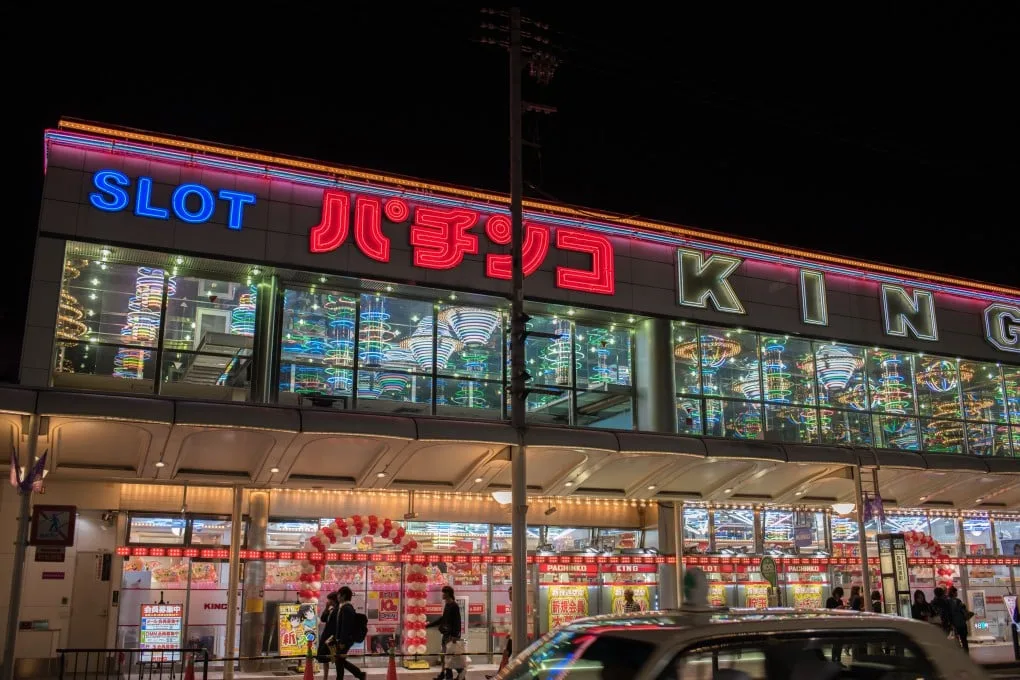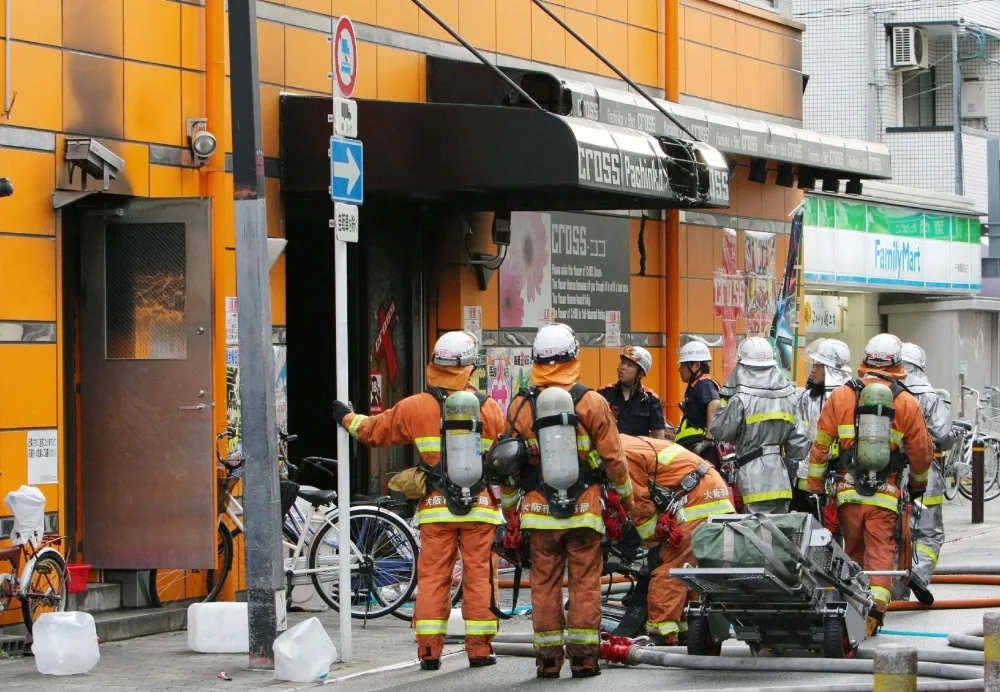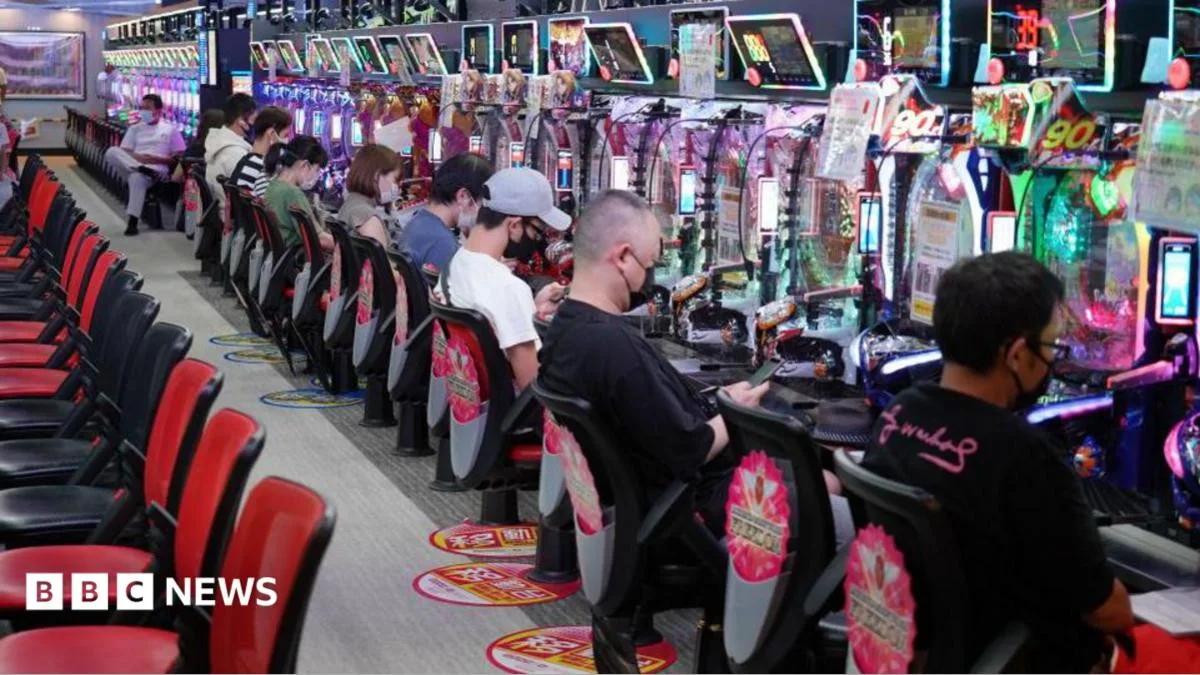
Japan executed Sunao Takami on August 21, 2026, for setting fire to a pachinko parlour in Osaka in 2009, killing five people, including four customers and one employee [1, 2, 3, 4, 5]. Takami, who was 58 at the time of his execution, was convicted in 2011 and sentenced to death after a jury and judges rejected his defense of mental illness [1].
The execution is Japan’s first since June 2025, when Takahiro Shiraishi, known as the "Twitter killer," was hanged [1, 2, 5]. Japan and the United States remain the only G7 countries to still impose capital punishment [1, 2, 3, 5].
According to a 2024 government survey, 83% of the Japanese public considered the death penalty "unavoidable", reflecting strong support for its continued use [3, 5]. Despite this, Japan’s death penalty system has faced widespread criticism for practices such as notifying inmates only on the morning of their executions and subjecting them to prolonged solitary confinement [1, 2, 3, 5]. About 100 prisoners remain on death row [3, 5].
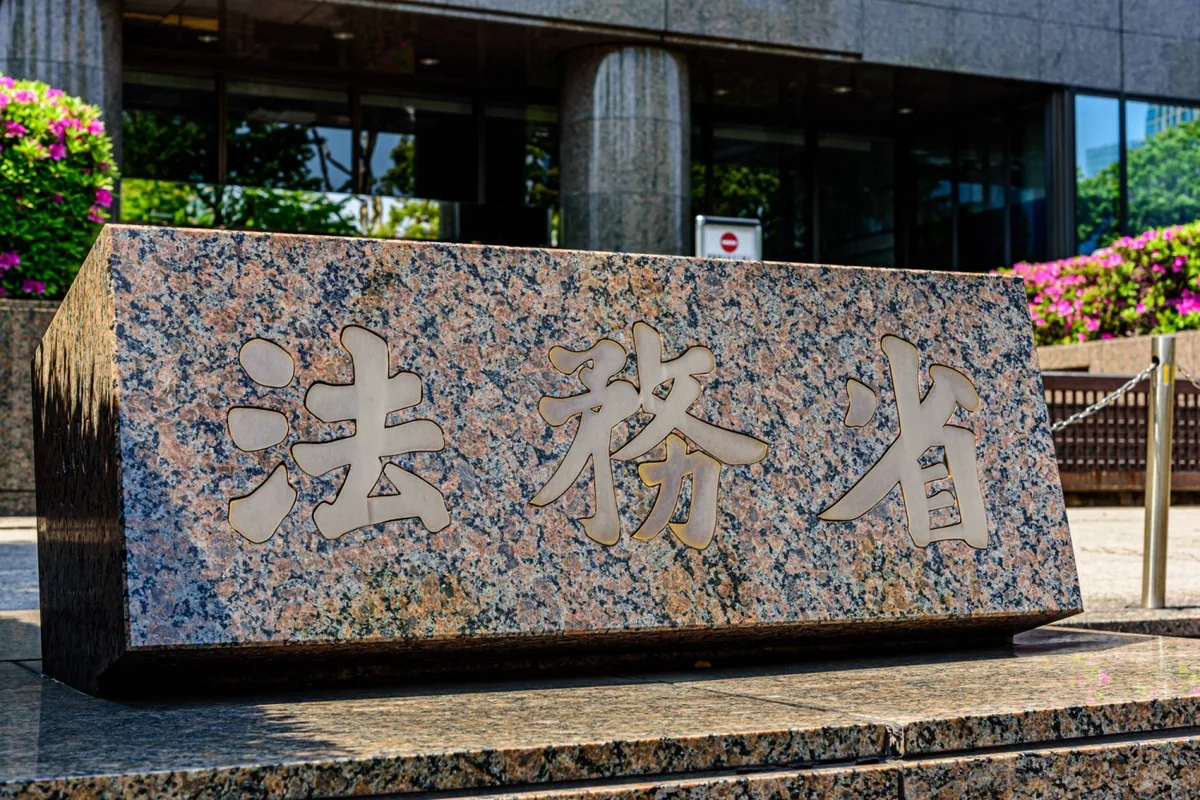
Justice Minister Hiroshi Hiraguchi said the execution was ordered after "careful and thorough consideration" [1, 4]. Although Japanese law calls for executions to occur within six months of a final verdict, in practice inmates often wait years or decades before the sentence is carried out [5]. The system has also seen notable wrongful convictions and exonerations, including that of Iwao Hakamada, who was released in 2014 and cleared in 2024 [5].
Executions have varied in recent years: 15 in 2018, three each in 2019 and 2021, and one in 2022 [2, 3, 5]. Takami’s execution underscores the resumption of capital punishment after nearly 14 months without any.
Takami’s case dates back to 2009 when he committed the fatal arson at the pachinko parlour in Osaka, which resulted in five deaths [1, 2, 3, 5]. He was sentenced to death two years later in 2011 after the courts rejected psychiatric defenses [1]. The Justice Ministry’s latest action ends his prolonged wait on death row.