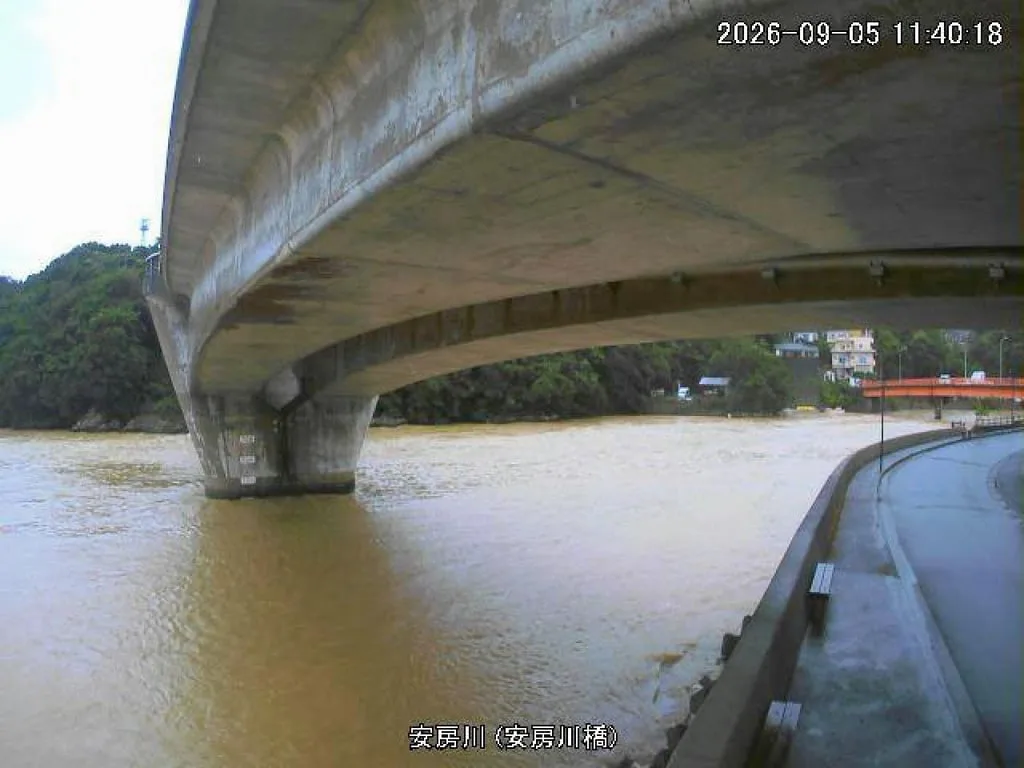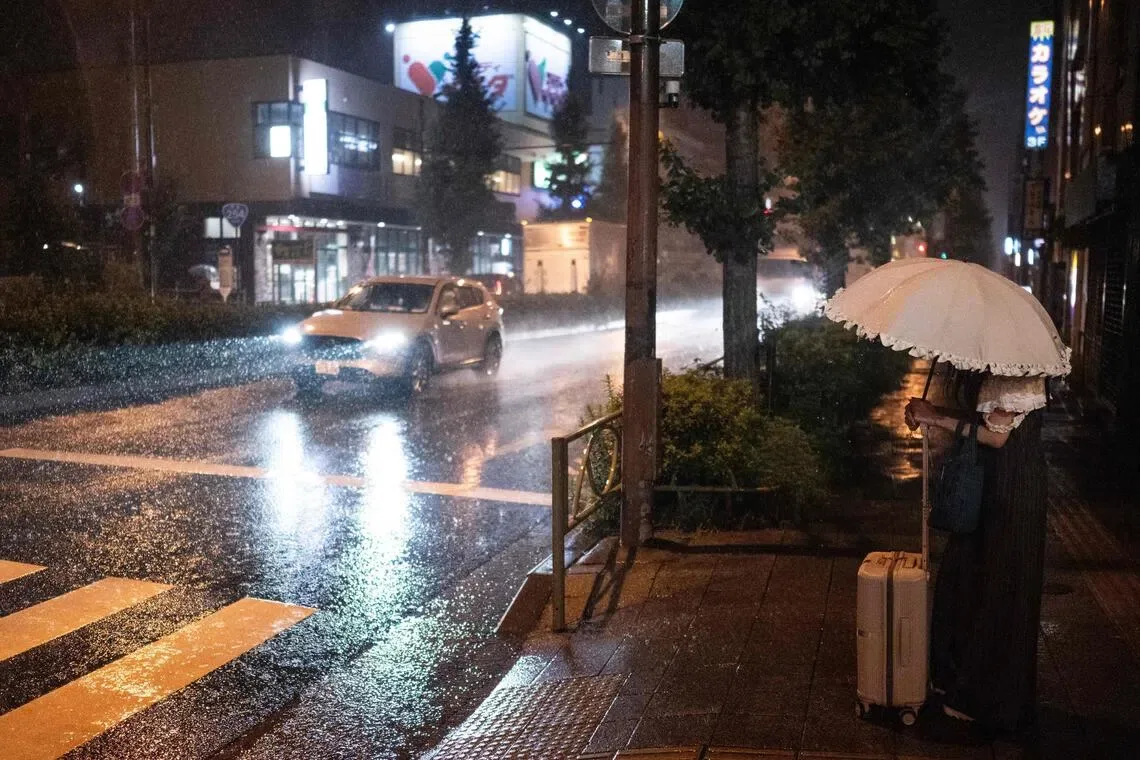
The Japan Meteorological Agency issued a Level 5 emergency landslide warning for Niijima Island early Monday morning after the island received between 381 millimeters and more than 480 millimeters of rain in 24 hours, breaking local records since measurements began [1, 2, 3]. Niijima Island lies about 160 kilometers south of Tokyo.
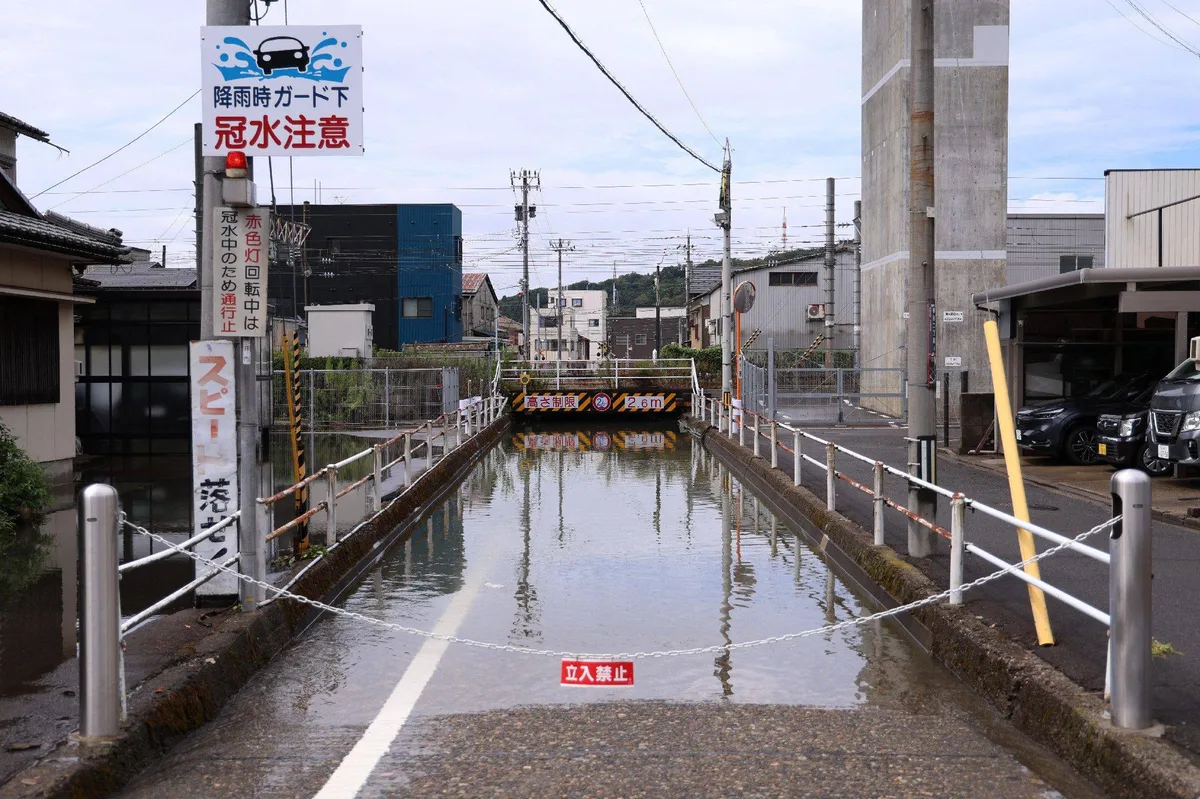
Heavy rain also triggered Level 4 landslide alerts in parts of Chiba and Saitama prefectures near Tokyo, and central Fukushima prefecture [1, 2, 4, 3]. Meanwhile, flooding caused the death of a woman in her 60s in Iwaki, Fukushima, when her car was found submerged in water [2].
The Japan Meteorological Agency warned of further rainfall and possible landslides along wide areas facing the Pacific Ocean, including eastern and northeastern Japan [1, 2, 5, 3]. Forecasts call for up to 300 millimeters of rain in the Tokai region, 250 millimeters in Kanto-Koshin, 200 millimeters in Tohoku and Kinki, and 150 millimeters in southern Kyushu and Shikoku from September 7 through 8 [5, 4].
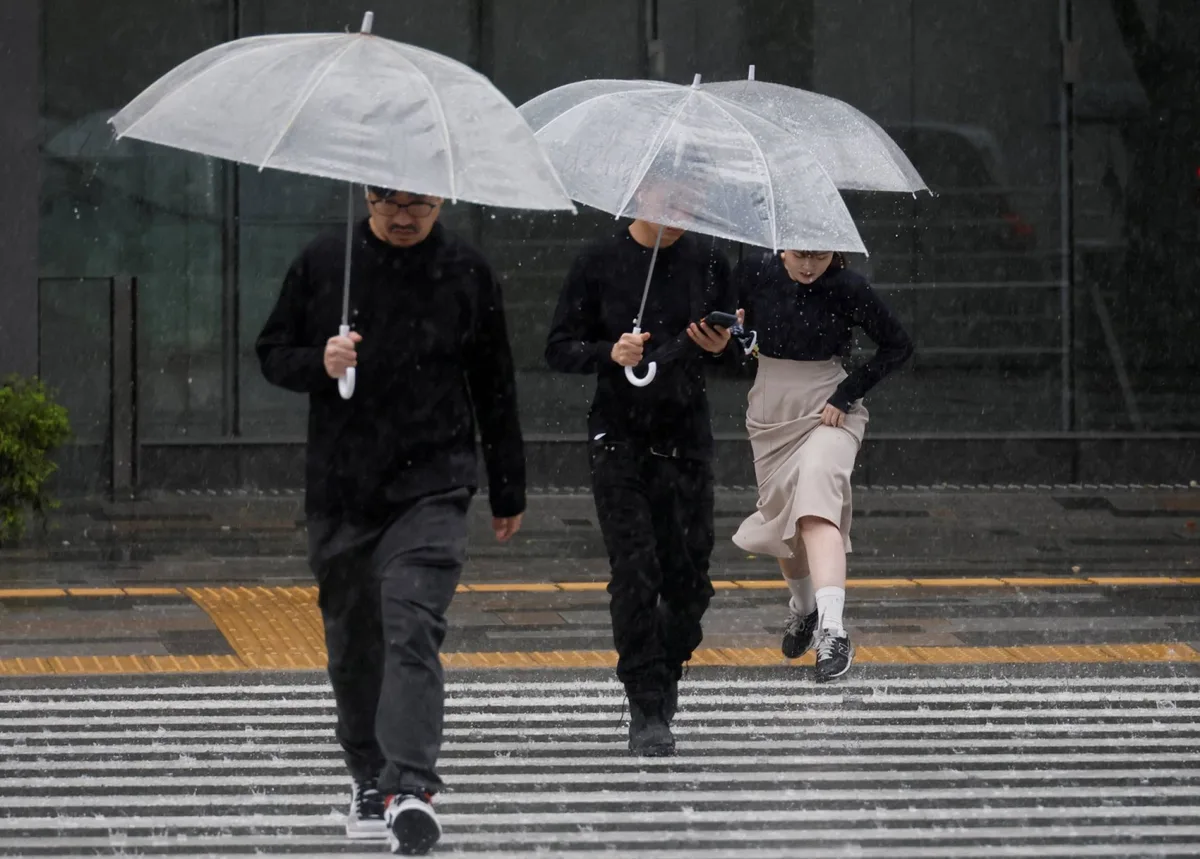
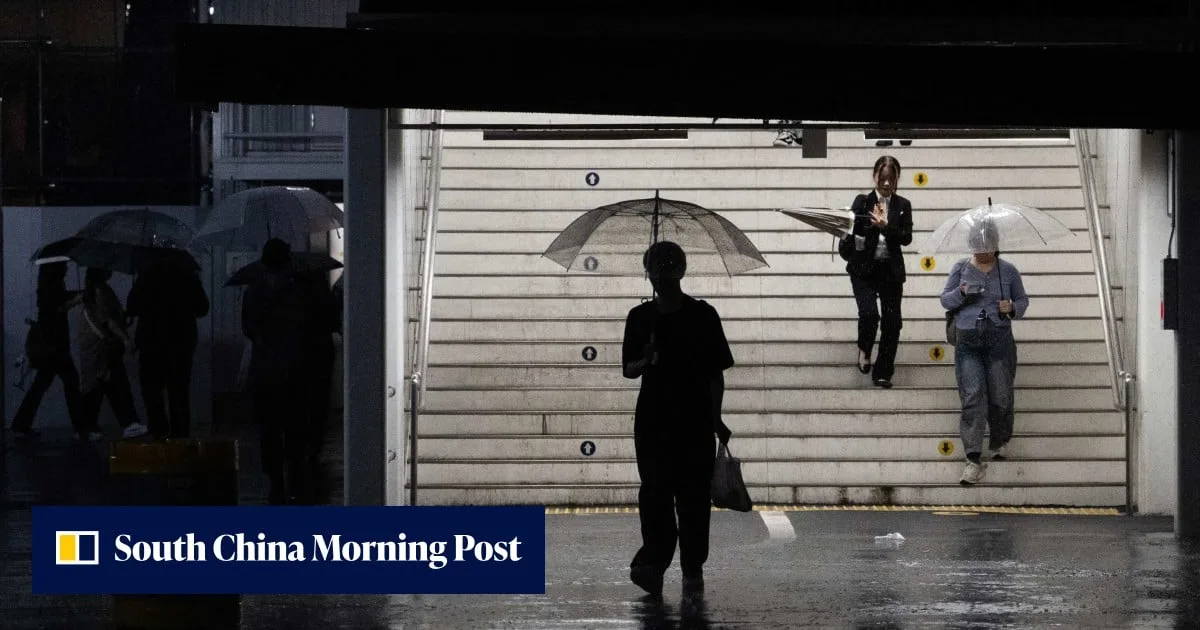
Train services and some schools in Tokyo, Chiba, and Kanagawa prefectures were disrupted or closed Monday due to the heavy rain [2, 4].
Tropical Storm Krovanh, positioned near Okinawa on September 6, is drawing warm, moisture-laden air over Japan’s Pacific coast, contributing to the heavy rain. The storm is expected to weaken by September 8 or 9 [5, 4].
The agency urged residents in affected areas to "remain on high alert for landslides and other disasters," emphasizing the ongoing risk [3]. Authorities continue to monitor the situation closely as heavy rains persist.