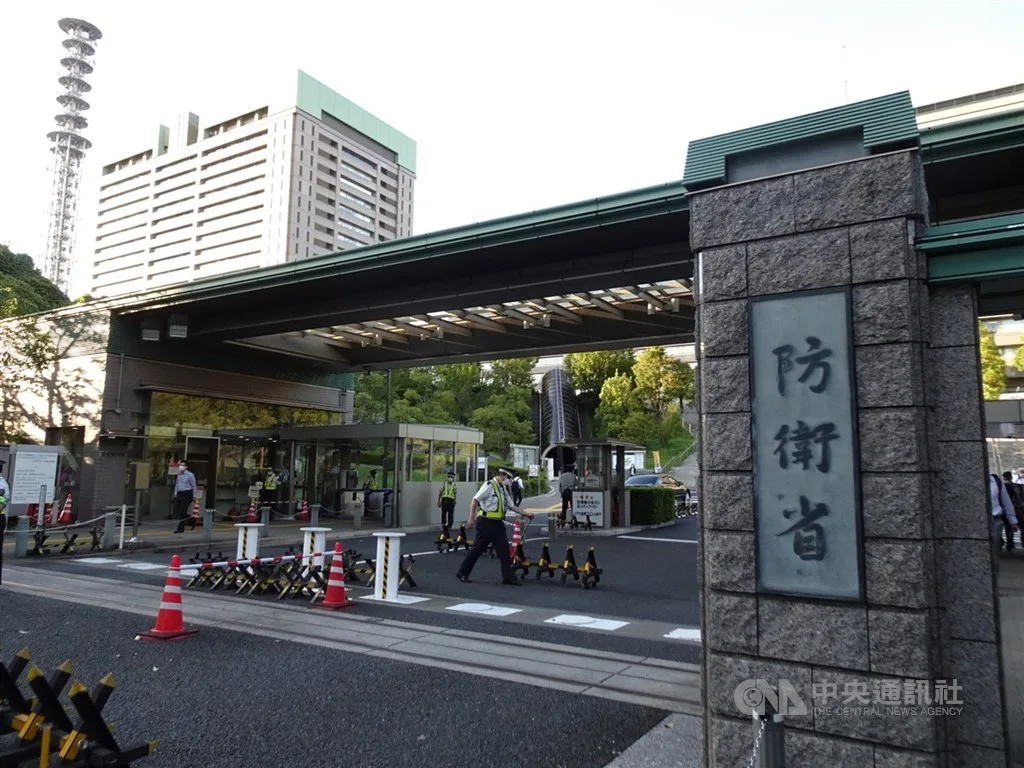
Japan's Ministry of Defense announced plans to develop satellites equipped with artificial intelligence to analyze surveillance data in space. The goal is to accelerate decision-making for missile counterstrikes against enemy positions [1, 2, 3].
These satellites will not conduct surveillance themselves but will aggregate and analyze data received from other satellites. The AI system onboard the satellites will process information directly in orbit rather than sending raw data to ground stations. This approach aims to significantly reduce communication delays and allow quicker prediction of target movements, such as naval vessels near contested islands [2, 3].
Ground command posts will rely on the AI analysis output from the satellites to determine timing for missile launches. The system should also improve the precision guidance of long-range standoff missiles, enhancing Japan's deterrence capabilities by enabling attacks from beyond enemy missile ranges [2, 3].
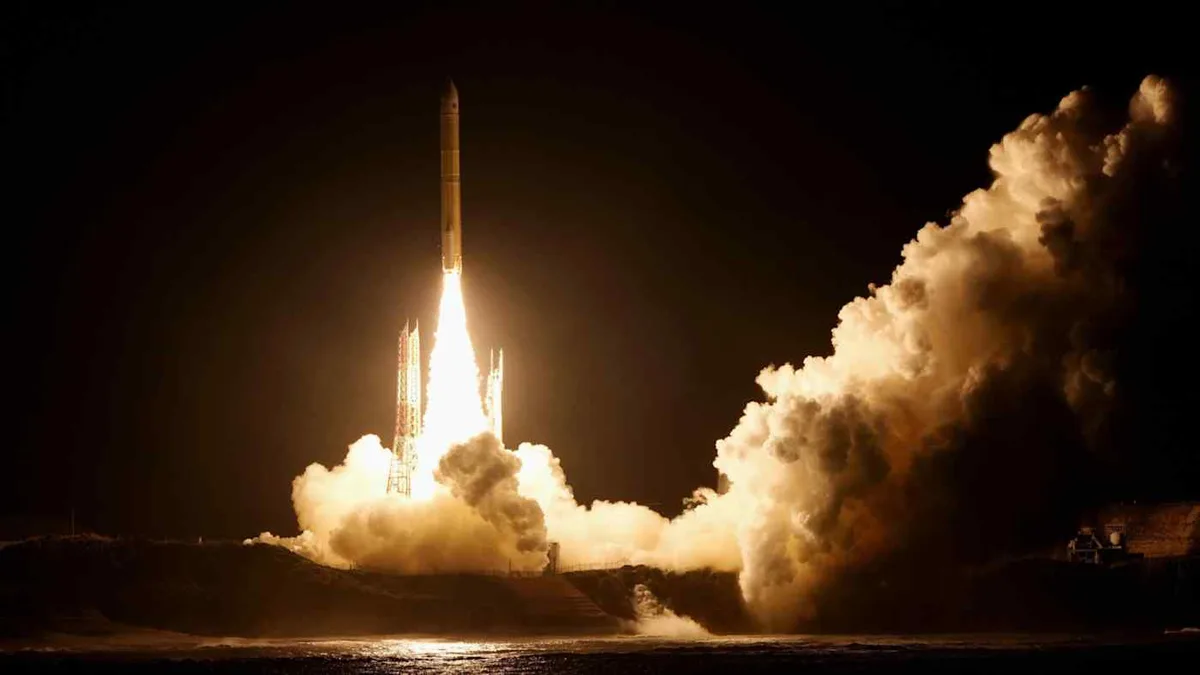
Development of the AI satellite prototypes is scheduled between 2027 and 2029 in partnership with domestic Japanese companies. The satellites will be launched after 2030 to test their functionality in orbit [2, 3]. The satellite AI technology will be based on Japanese domestic technology to ensure security and independence [2, 3].
Japan has included the budget for manufacturing these satellite prototypes in its 2027 fiscal year defense budget proposal, though the exact amount remains undisclosed [2, 3]. This effort complements Japan's recent deployments of advanced long-range missile systems, including the Type 25 surface-to-ship missile rolled out in March 2026 and planned long-range missile capabilities for its Sea and Air Self-Defense Forces in 2027 [2, 3].
Currently, most satellite imaging data is collected by constellations and processed on the ground, which adds time in transmission and analysis. Onboard AI processing aims to shorten this timeline, matching similar developments by U.S. Space Force experiments and other U.S. companies [2, 3].
China has already launched more than 10 AI satellites capable of in-space data processing for military purposes, creating what it calls a 'Three-Body Computing Constellation' [2, 3]. Japan’s planned program seeks to bolster deterrence by increasing costs of aggression through faster, more precise counterstrikes.
The next key milestones are prototype development and testing from 2027 to 2029, followed by satellite launches planned after 2030 to validate the AI system in orbit [2, 3].