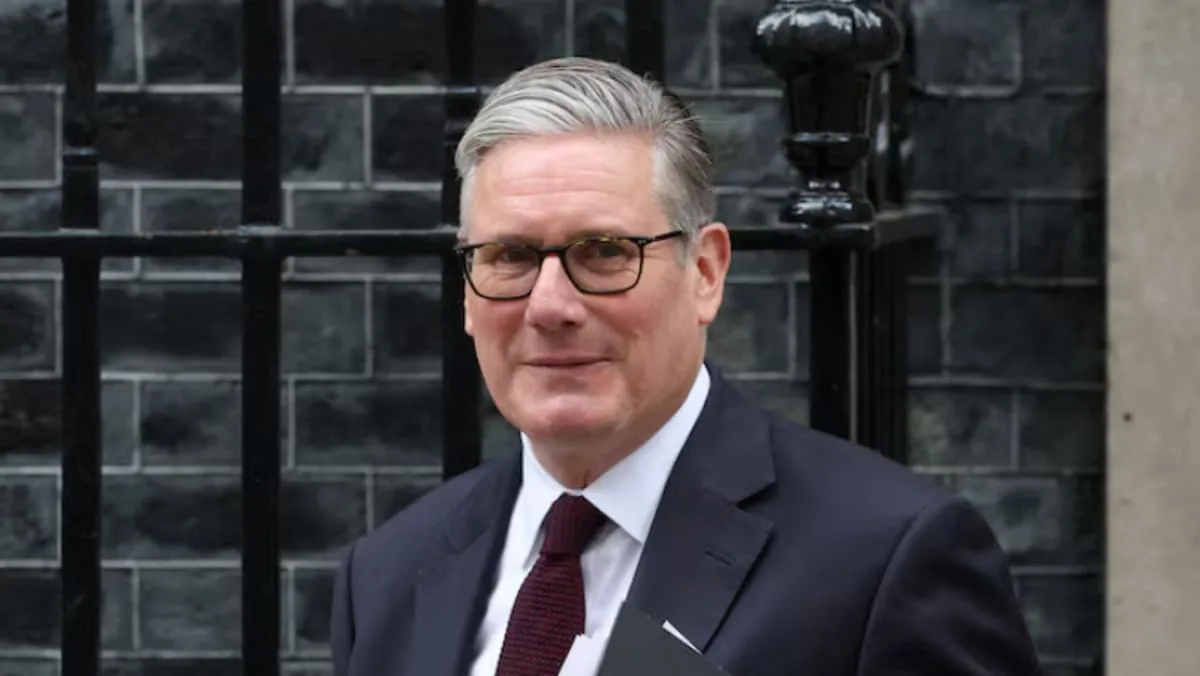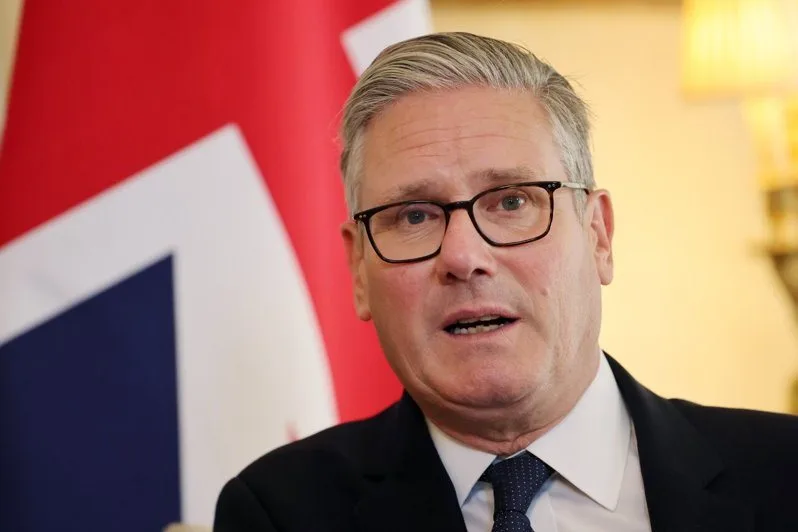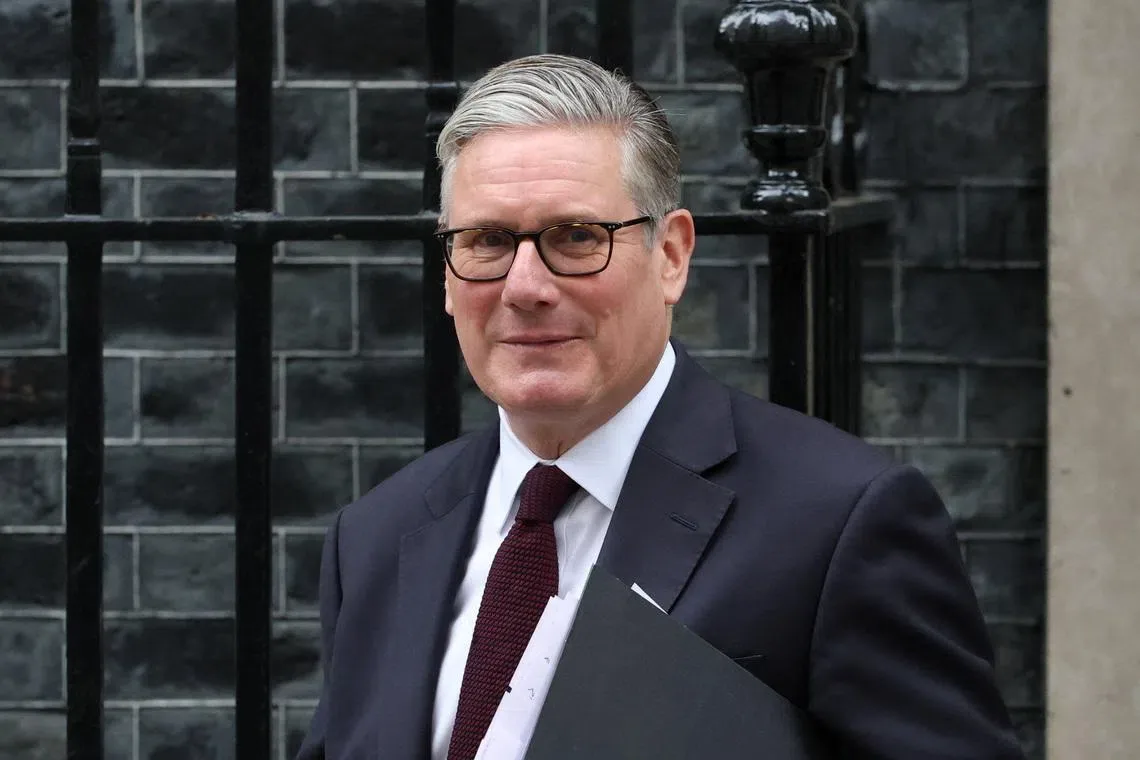
Keir Starmer announced in June 2026 that he would step down as UK Prime Minister and Labour Party leader after two years in office, describing the decision as "intensely personal" and made with his family during a weekend at Chequers [1, 2, 3, 4, 5]. At 63, he pledged to remain MP for his central London constituency but said he would avoid interfering with his successor's work [5].
Starmer stressed that whoever takes over must dedicate as much time to international crises and diplomacy as he did. He rejected the idea that the next leader could focus more on domestic affairs alone, saying, "There's often this discussion - what's the right balance between dealing with international affairs and dealing with domestic affairs? They're one and the same thing" and "No, I don't think it is possible" to separate them [1, 6, 2, 3, 4, 7]. He added, "Whoever is my successor is going to face the same global conflict. We keep saying, and it's true, we're in a more dangerous and volatile world than we've been in for probably most of my lifetime" [5].
Starmer has faced criticism from opponents who said he devoted too much attention to international issues during his premiership [1, 2, 3, 4, 7]. He highlighted accomplishments including restoring Britain's global standing, supporting Ukraine, participating in international coalitions, stabilizing the economy, reducing child poverty, and improving the NHS [1, 2, 3, 4, 7]. In a July 3 social media video titled "With Keir," he defended his record on international affairs and key achievements, followed by a BBC interview the next day where he reiterated that foreign and domestic policy are inseparable [1, 2, 3, 4, 7].
Andy Burnham, former Manchester mayor and newly elected MP, is the frontrunner to succeed Starmer. Burnham has pledged to emphasize domestic priorities such as living standards, housing, infrastructure, and devolving powers to regional governments. He also expressed continued support for the UK's position on Ukraine, stating, "If elected, I will 100% continue to support Ukraine and maintain the current position of Starmer's government" [1, 6, 2, 3, 4, 7].
The leadership transition is expected to focus on balancing Britain's international role with pressing domestic challenges as Starmer formally prepares to hand over two years after taking office.