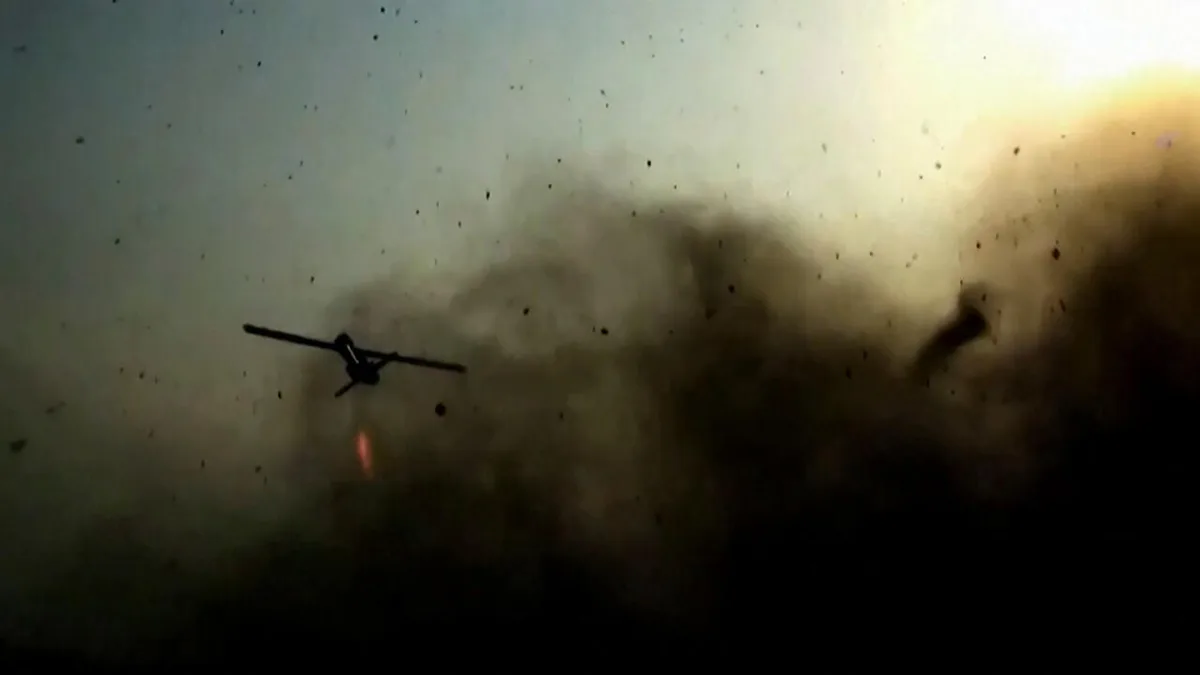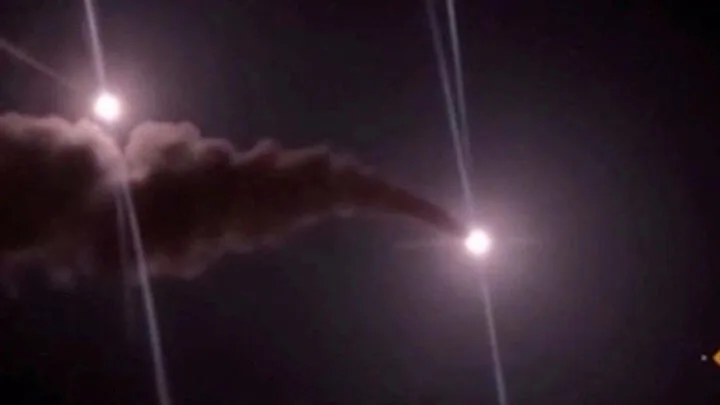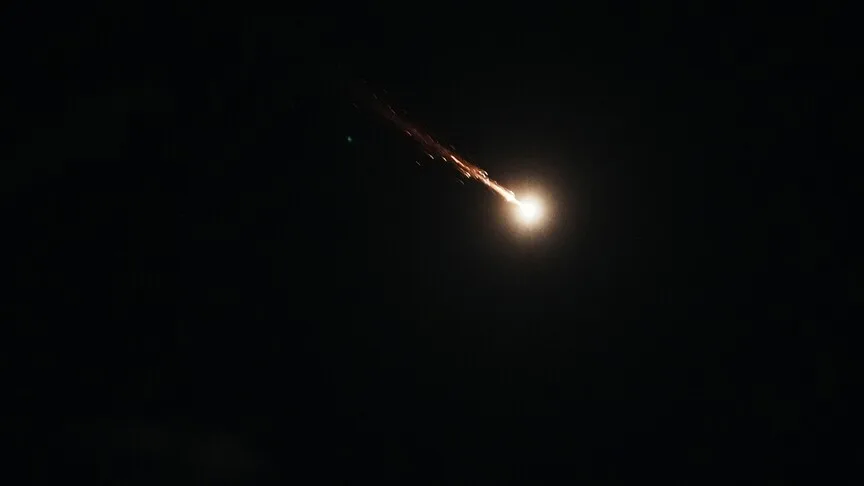
Kuwait’s army announced it intercepted hostile missile and drone attacks launched by Iran on September 2 and 3, as escalating conflict between the US and Iran spread across the region [1, 2, 3, 4, 5]. Kuwaiti authorities urged residents to follow safety and security instructions, explaining that explosions heard were due to air defense systems intercepting incoming Iranian projectiles [1, 4, 5].
The attacks are part of Iran’s retaliation after US forces conducted extensive bombardments on Iranian sites across the Islamic Republic on September 1 and earlier [1, 2, 3]. Iran targeted US allies in the region, including Kuwait, Jordan, Bahrain, the UAE, and Iraq’s Kurdistan region following the US strikes [2, 3].
The US military denied targeting civilians in its operations. However, Iranian outlets reported that US strikes killed at least four civilians, including a child, and wounded over 50 others during a wedding in southern Iran [1, 3].
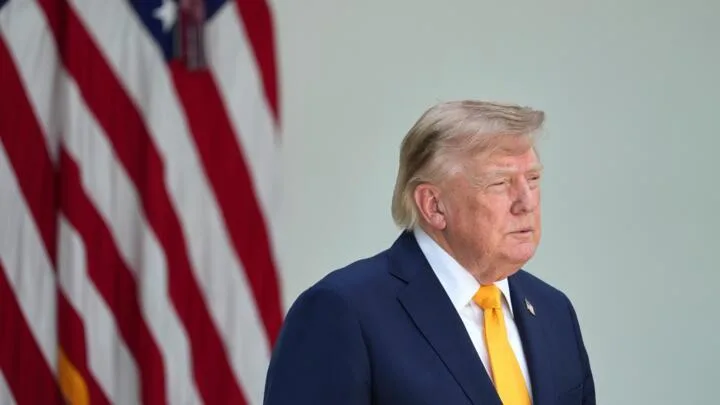
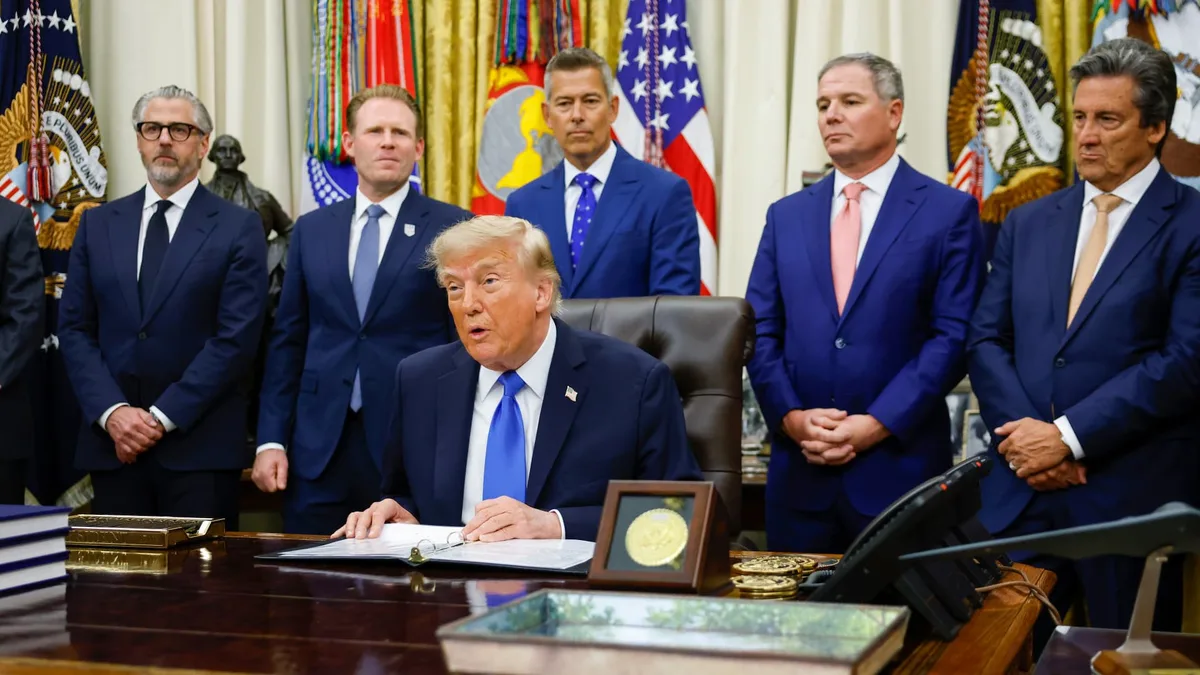
Former President Donald Trump commented on the conflict, saying, "I don't think it will [war] be very much longer ... I don't know how much more they [Iran] can take," and called the US attacks "very heavy attacks." He added, "We're doing that not for any other reason, or at least 99%, we're doing it to help the Middle East, we're doing it to help Israel, and we're doing to help ourselves." [1]
Top Trump aides are reportedly trying to keep the Iran conflict low-profile until the November 2026 midterm elections to limit Republican losses amid public disapproval [1].
Separately, Iranian border guards seized a vessel carrying 382,000 liters of smuggled fuel in the northern Gulf and arrested 11 foreign crew members [2]. Israeli Prime Minister Benjamin Netanyahu also visited Gaza forces, vowing to maintain troop presence despite mediator efforts for a US-backed ceasefire [2].
Kuwait confirmed ongoing interception efforts on September 3, continuing to urge the public to adhere to safety protocols as the volatile situation unfolds [3, 5].