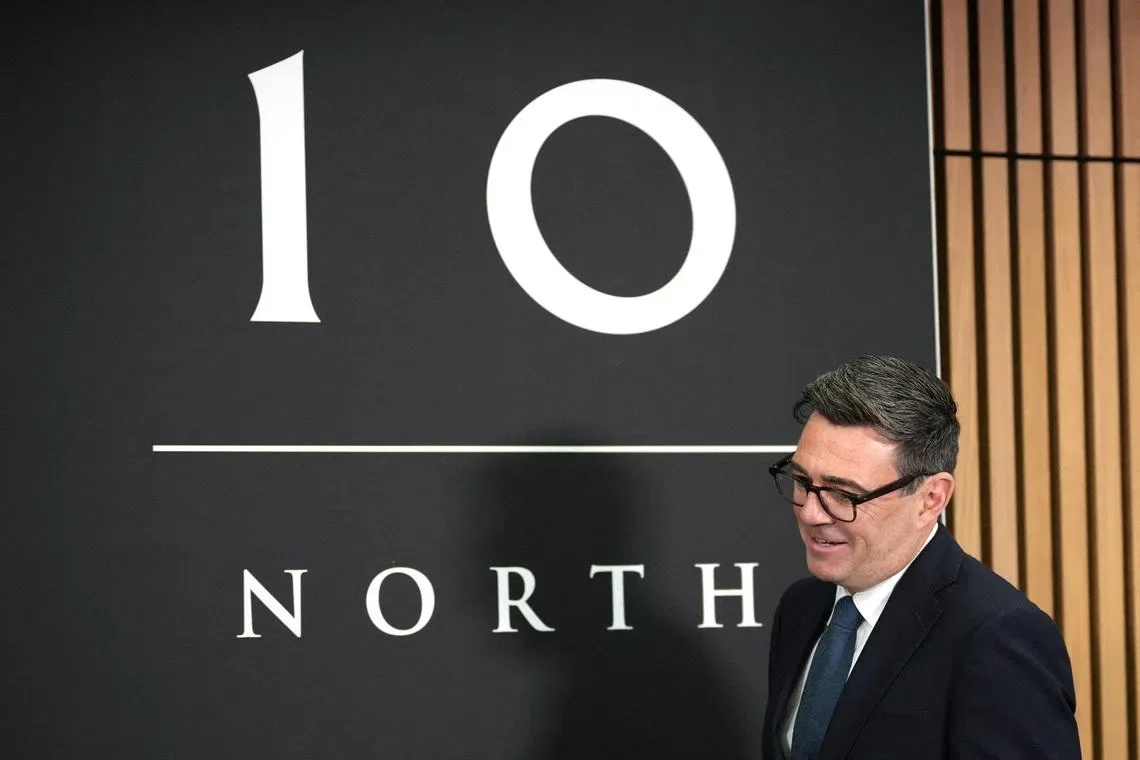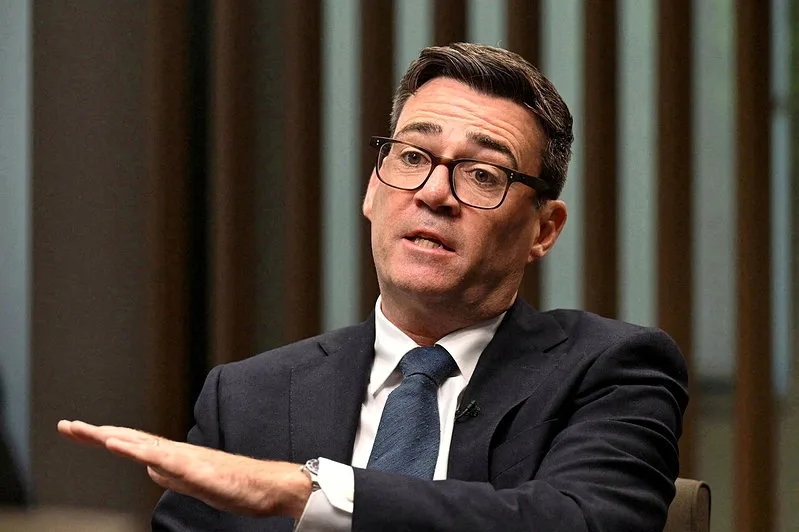
Labour has overtaken Reform UK in voter intention polls for the first time since March 2025, reaching between 26% and 28% support compared to Reform UK's 22% to 24% range [1, 2, 3, 4, 5]. This surge in Labour support occurred during the first week after Andy Burnham was appointed Prime Minister of the United Kingdom on July 20, 2026 [1, 2, 3, 4, 5].
Polls conducted by More in Common, Survation, and YouGov between July 24 and July 28 show a consistent rise for Labour. More in Common recorded Labour at 28% versus Reform at 24%, Survation had Labour at 26% compared to Reform's 24%, while YouGov showed a tie at 22% each [1, 2, 4, 5]. Conservatives held steady at around 22%, Liberal Democrats at 12%, and the Green Party’s support fell to about 8% in the same period [1, 5].
Burnham's early policy actions helped boost Labour's appeal. In his first week, he canceled a tax on energy bills, capped bus fares, and cut business rates for pubs and clubs [1, 2, 4]. He said, "I am talking a lot about Britain believing again and getting its hope back … I think we should have a bit more of a spring in our step" [1]. Despite the poll gains, Burnham cautioned against overconfidence, saying he would not get "carried away" but was pleased to have "connected with people" [2].
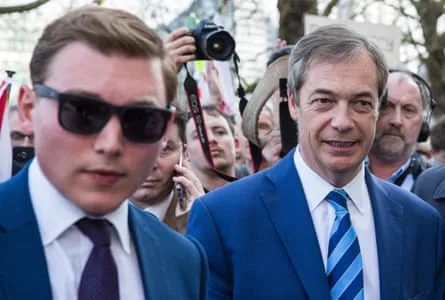
Reform UK and its leader Nigel Farage have faced negative headlines and controversies over donation declarations that have affected their support [1, 2, 4]. Farage described the criticism as "a bid by the establishment to discredit him" [2].
Pollsters noted these figures represent snapshots of voter sentiment and do not guarantee election outcomes [5].
The next wave of opinion polling and public response to Burnham’s policies will be closely watched following his opening week in office.