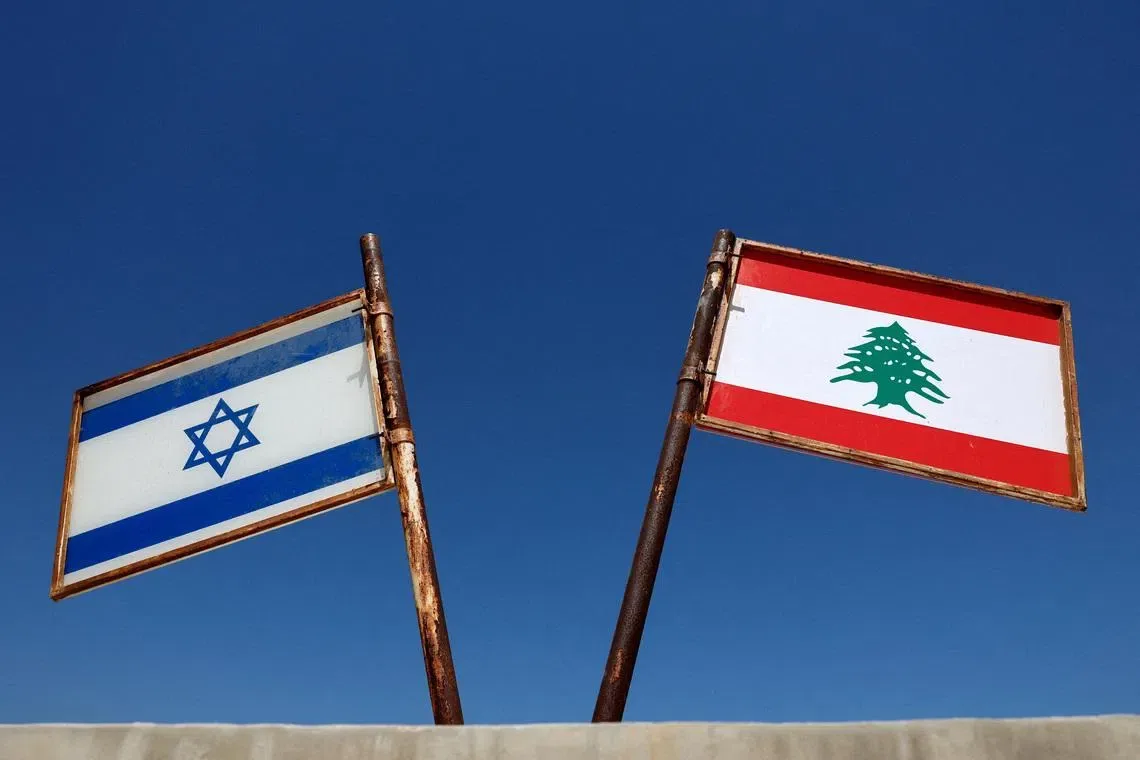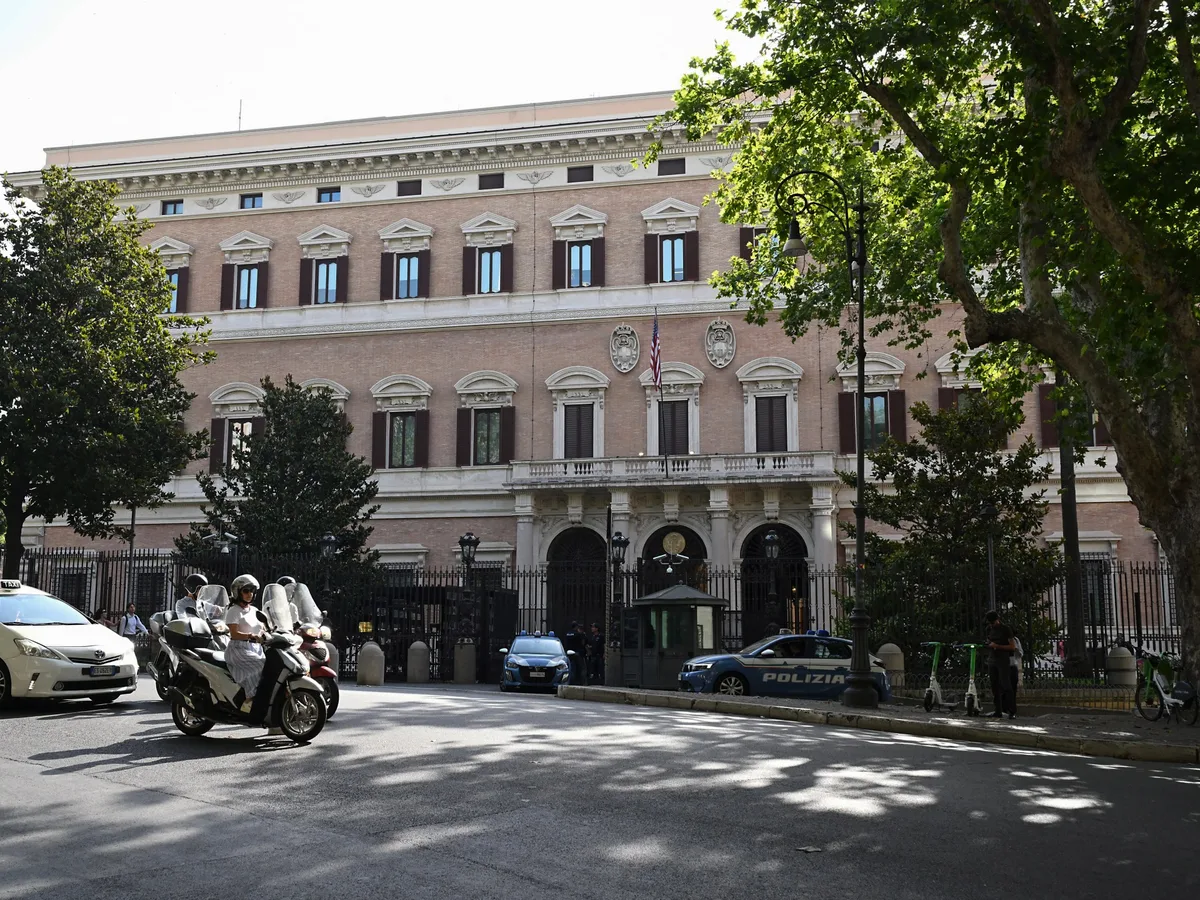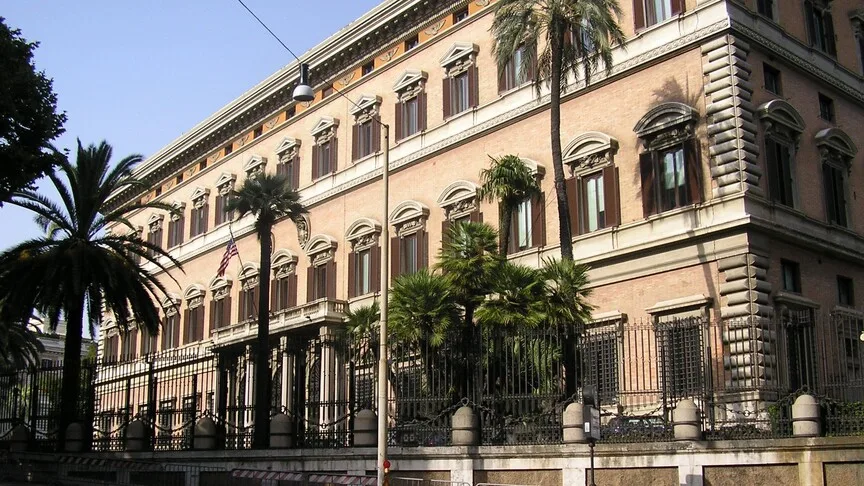
Lebanon and Israel resumed direct negotiations at the US Embassy in Rome on July 14, seeking to implement a US-brokered framework aimed at ending the war in Lebanon [1, 2, 3]. The talks lasted seven hours and focused on concrete steps toward a ceasefire and the framework's execution [3].
The framework agreement was signed on June 26 in Washington. It calls for a phased Israeli withdrawal from southern Lebanon, deployment of Lebanese troops to secure the area, and disarmament of armed groups including Hezbollah [1, 2, 3]. However, it does not set a fixed timetable for withdrawal — progress is linked to Lebanese army deployment and disarming militant groups [3].
Currently, Israel maintains troops inside a 10-kilometer buffer zone in southern Lebanon, citing the need to protect itself against Hezbollah attacks [1, 2]. Lebanese President Joseph Aoun instructed his delegation to demand that Israel immediately withdraw from two pilot areas in southern Lebanon before continuing broader negotiations [2, 3].
Expectations for rapid progress remain low due to ongoing hostilities and Hezbollah's rejection of disarmament efforts [1, 2].
Italian Foreign Minister Antonio Tajani, whose country is hosting the talks, said Rome was honored to accommodate the meetings. “We are also very pleased that Rome can serve as the venue for these meetings. In this way, our capital becomes a capital of peace,” Tajani said [1, 2].
The parties will likely continue discussions in the coming weeks to work out the practical steps of troop withdrawals and Lebanese security deployments as outlined in the framework agreement.