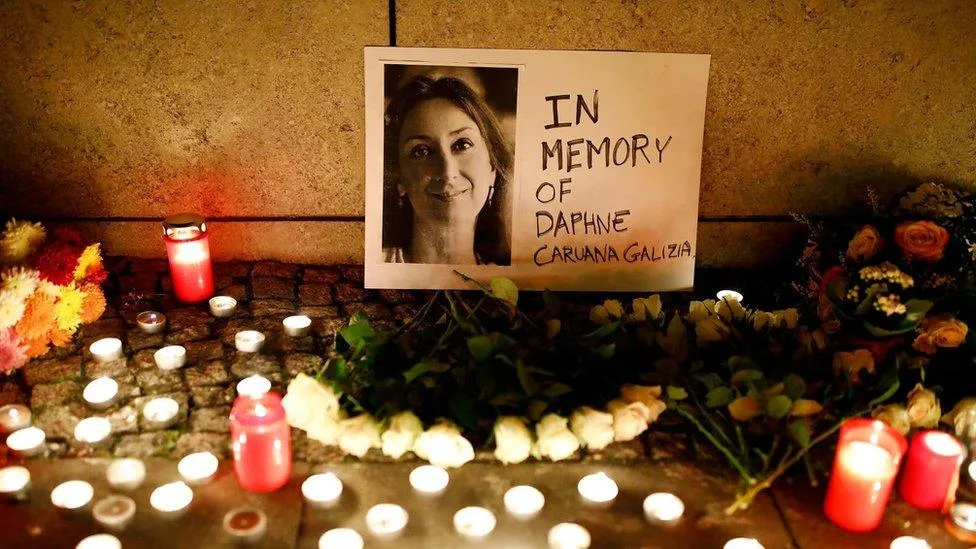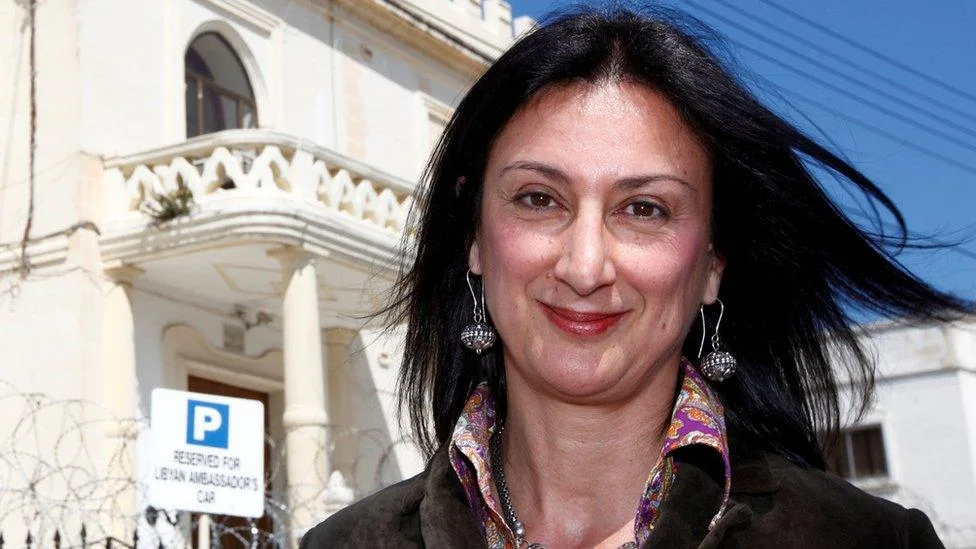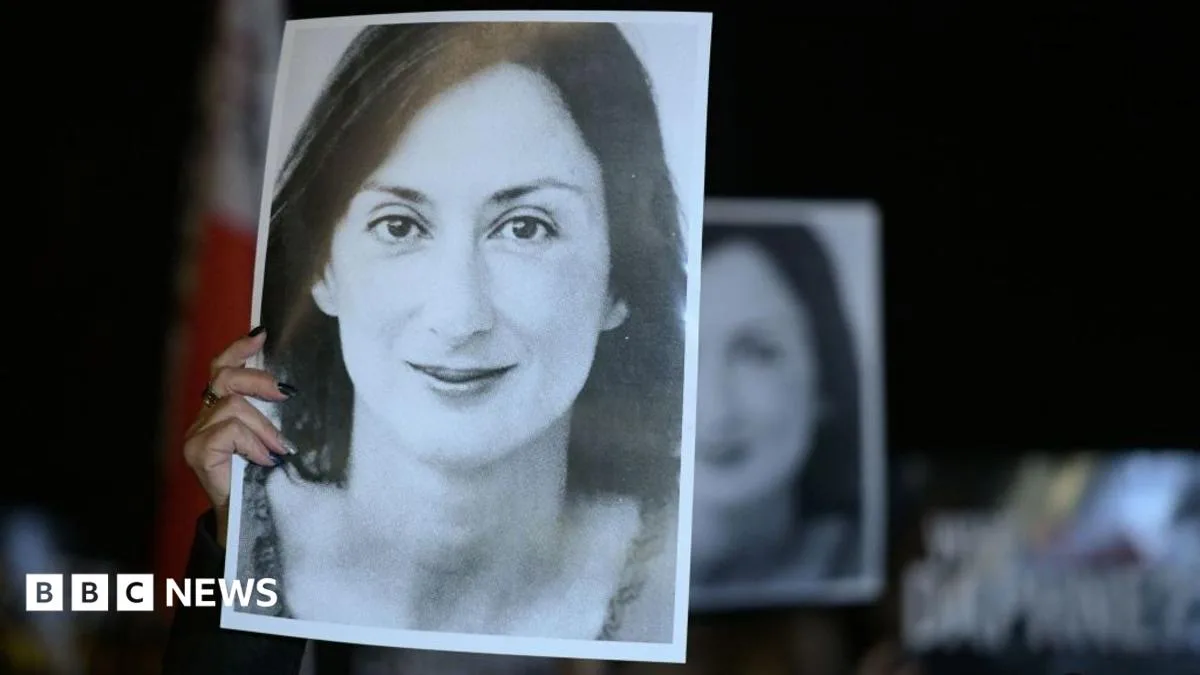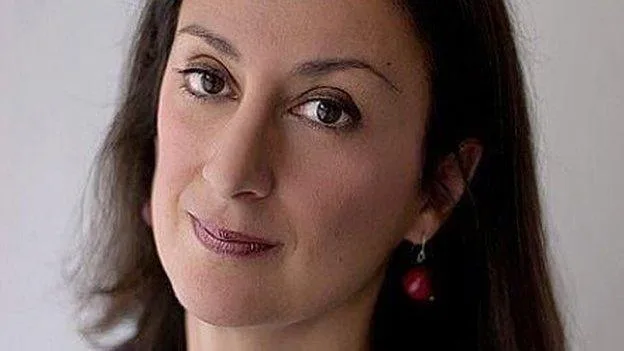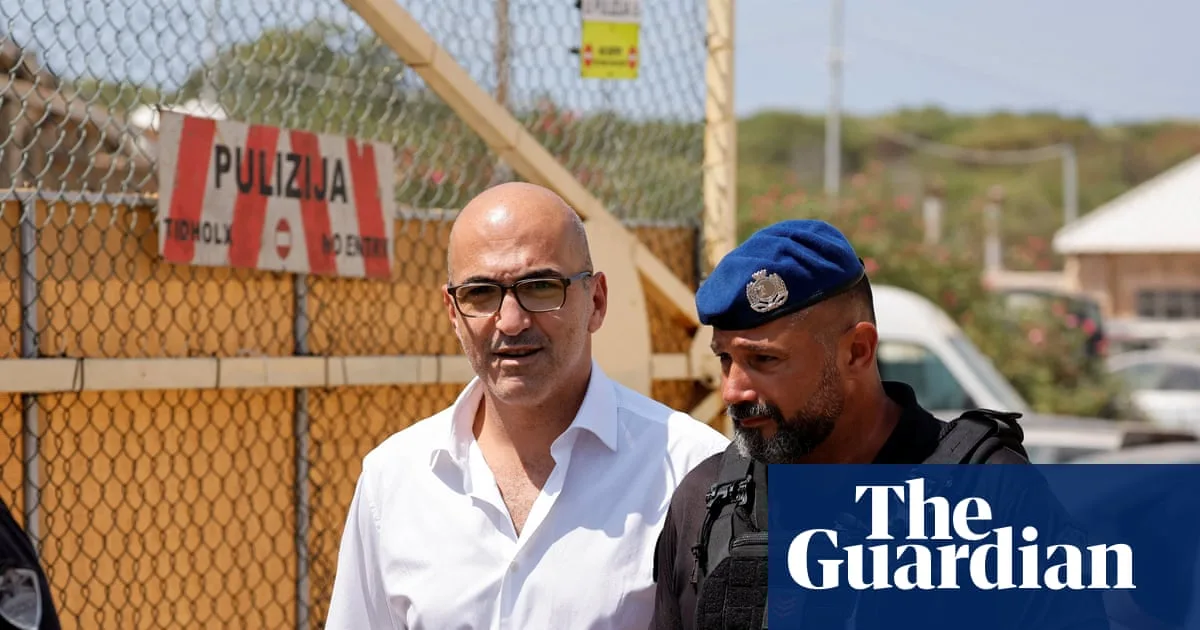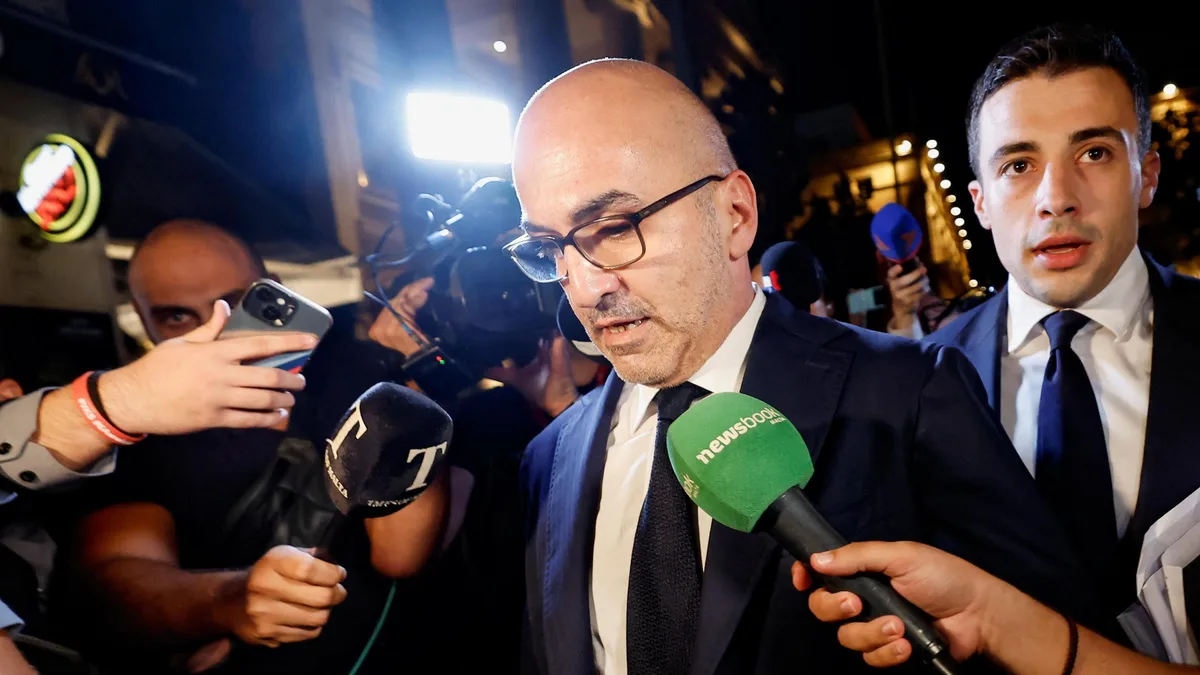
Yorgen Fenech, a 44-year-old Maltese businessman, was acquitted by an 8-1 jury verdict of charges related to the 2017 murder of investigative journalist Daphne Caruana Galizia. The verdict followed about eight hours of deliberation on September 2, 2026 [1, 2, 3].
Fenech faced charges of complicity in voluntary homicide and criminal association to commit murder. Prosecutors alleged he paid €150,000 through a middleman, Melvin Theuma, to arrange Caruana Galizia's killing [1, 2, 4, 3]. Fenech denied the accusations and claimed that former Prime Minister Joseph Muscat's chief of staff, Keith Schembri, whom Caruana Galizia had investigated, was responsible for ordering the attack. Schembri has denied involvement and was never officially a suspect, according to police statements at trial [1, 2, 3, 5].
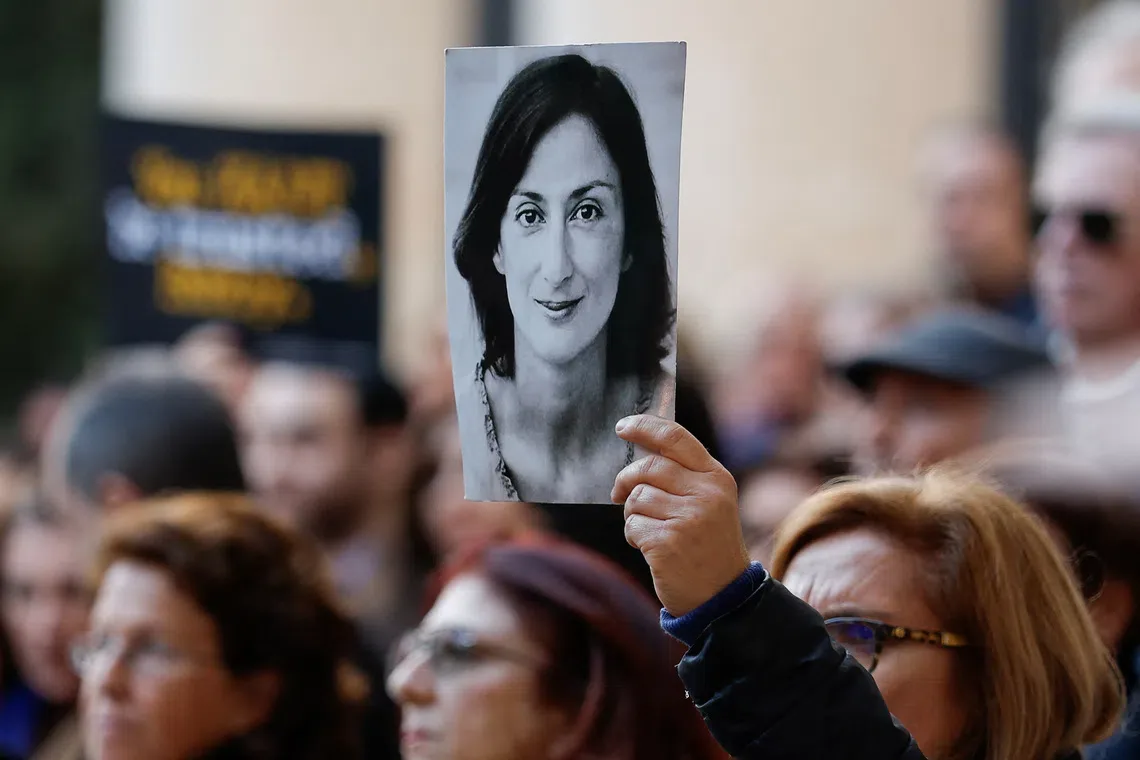
Daphne Caruana Galizia, 53, was killed by a remote-detonated car bomb near her home in October 2017. Her assassination sparked international outrage and political turmoil in Malta, including the resignation of Prime Minister Muscat in January 2020 [1, 4, 3, 5]. Brothers George and Alfred Degiorgio, also convicted for the murder, were sentenced to 40 years in prison after pleading guilty in 2022 [1, 4].
Fenech is among Malta's wealthiest businessmen, involved in energy and tourism sectors such as the Hilton hotel chain [1, 2, 5]. Prosecutor Anthony Vella told the jury, "You are being asked to decide whether a man who had extensive contacts in politics and among the heads of public entities had enough power to pay for Daphne to be killed" [2].
Caruana Galizia's family condemned the acquittal as a denial of justice. In a statement, they said, "Nine years after Daphne's brutal assassination, the institutional failures that enabled her murder remain unaddressed and unreformed. Lasting justice means no person should ever face the same risks again. Our country failed to protect Daphne's life" [1]. Her son, Matthew Caruana Galizia, called the verdict a "terrible decision... that our country may never recover from" [6]. The European Centre for Press and Media Freedom said the verdict "sent a disturbing message to those who attack and kill journalists" [5].
The case remains a key point of focus for Malta's justice system and international press freedom advocates.