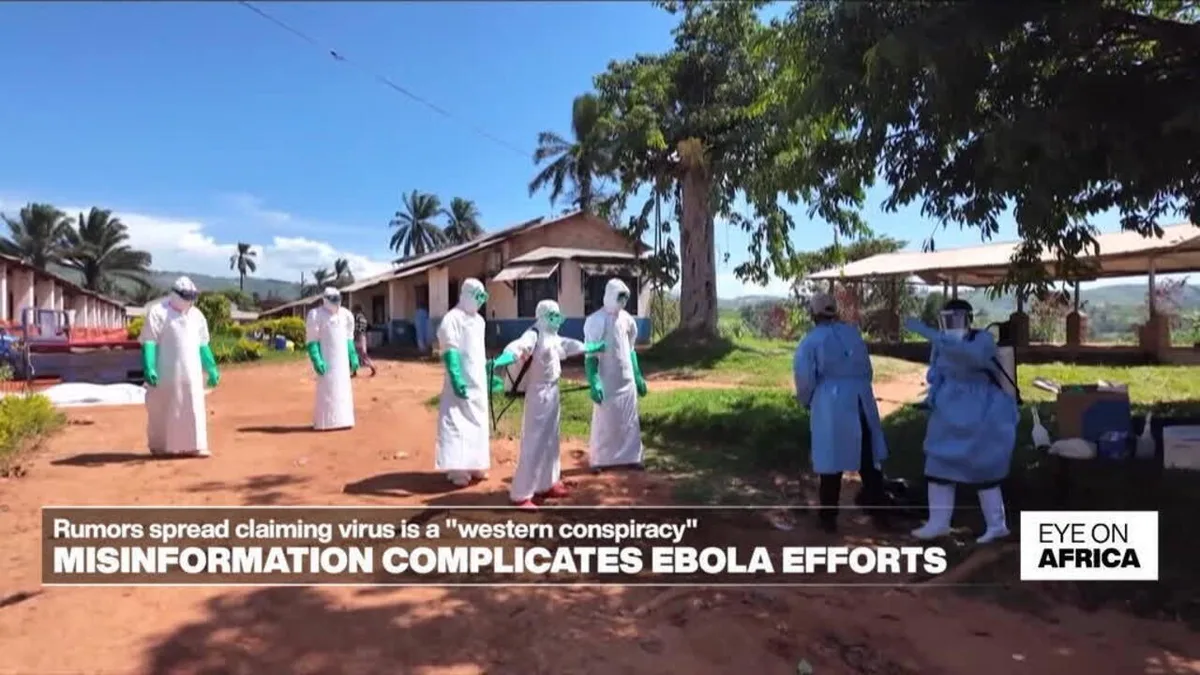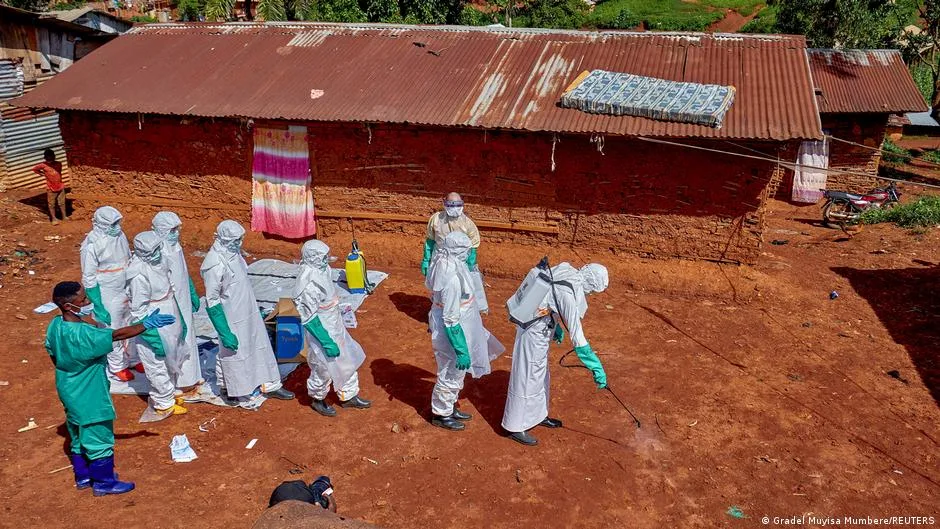
The Democratic Republic of Congo (DRC) is struggling to contain its 17th recorded Ebola epidemic since 1976, with 397 confirmed cases and 63 deaths reported three weeks after the outbreak was announced [1, 2].
The outbreak is centered in the northeastern Ituri province, particularly in the town of Mongbwalu [1, 2]. Local mistrust and misinformation are complicating efforts to halt the virus’s spread. Many community members do not believe Ebola is real, despite the rising death toll. John Tumujimbe noted, "The community does not believe in this disease. Despite the deaths, people don't believe in it" [1].
False rumors have spread widely, including claims that coffins are a source of infection and that aid workers are poisoning villagers via vehicle antennas [1, 2]. Such conspiracy theories undermine public health messaging and lead to hostility toward medical teams.
Tensions escalated at the end of May when a crowd set fire to a Doctors Without Borders (MSF) tent at Mongbwalu general hospital, forcing the organization to withdraw its staff [1, 2]. According to hospital director Richard Lokudi, "There was a panic. This allowed several suspected cases to escape. 18 patients who were under observation have disappeared" [1].
The outbreak involves the Bundibugyo variant of the Ebola virus, for which no vaccine is yet available [1, 2]. During health emergencies, disinformation about Ebola being a lab-created bioweapon and fears that vaccination causes harm often circulate, further complicating control efforts. Christopher Nehring said, "They say the disease comes from the lab as a bioweapon; that the vaccination is more harmful than..." [1].
Such misinformation and mistrust are making it harder to contain Ebola in the region, according to health experts [3].
Authorities continue efforts to track, isolate, and treat cases while combating false rumors. It remains critical to rebuild trust with affected communities to improve cooperation and prevent further spread.
The next major concern is monitoring for any new outbreaks and ensuring safe care despite the vaccine gap for the current virus variant.