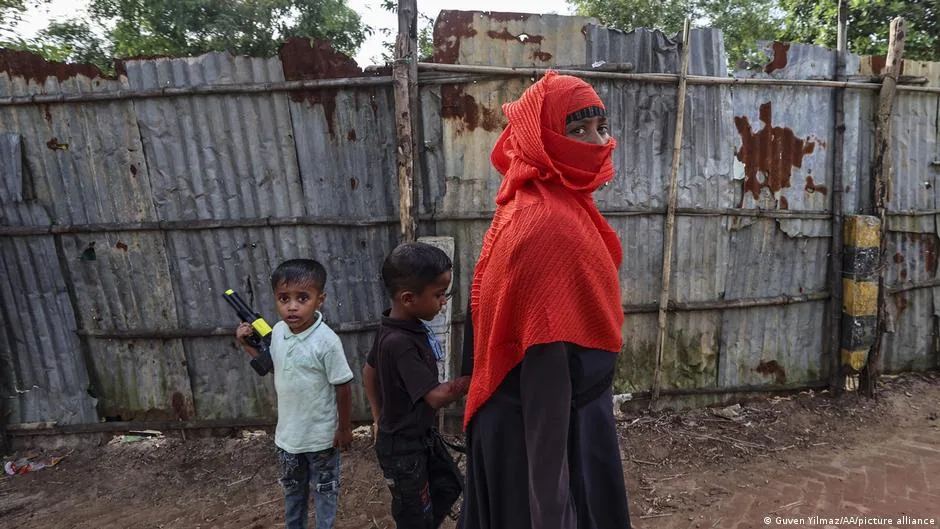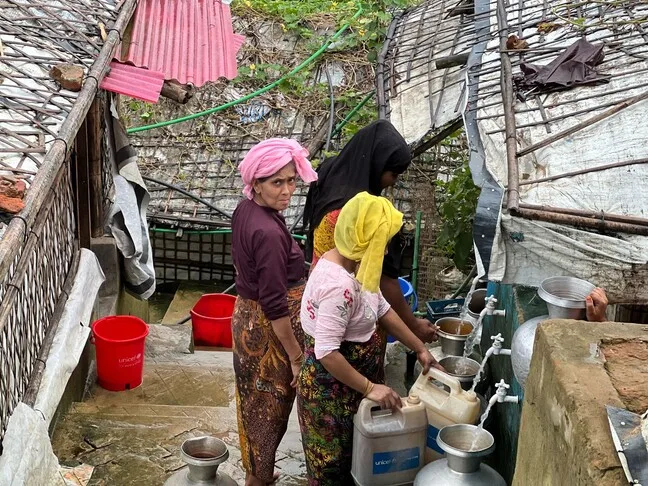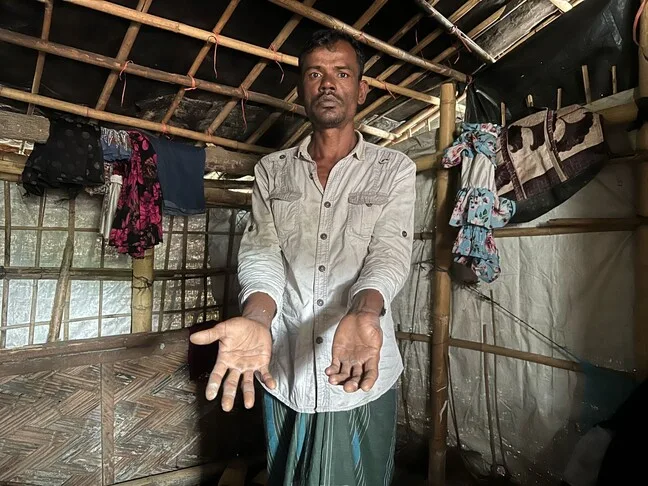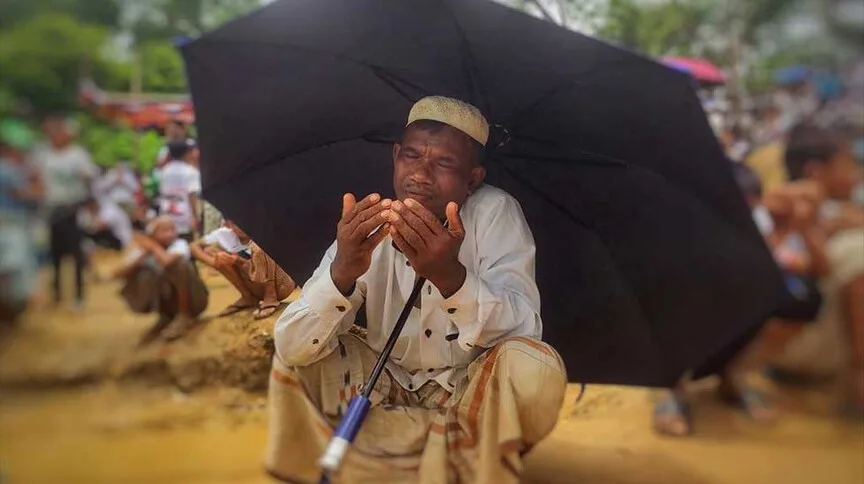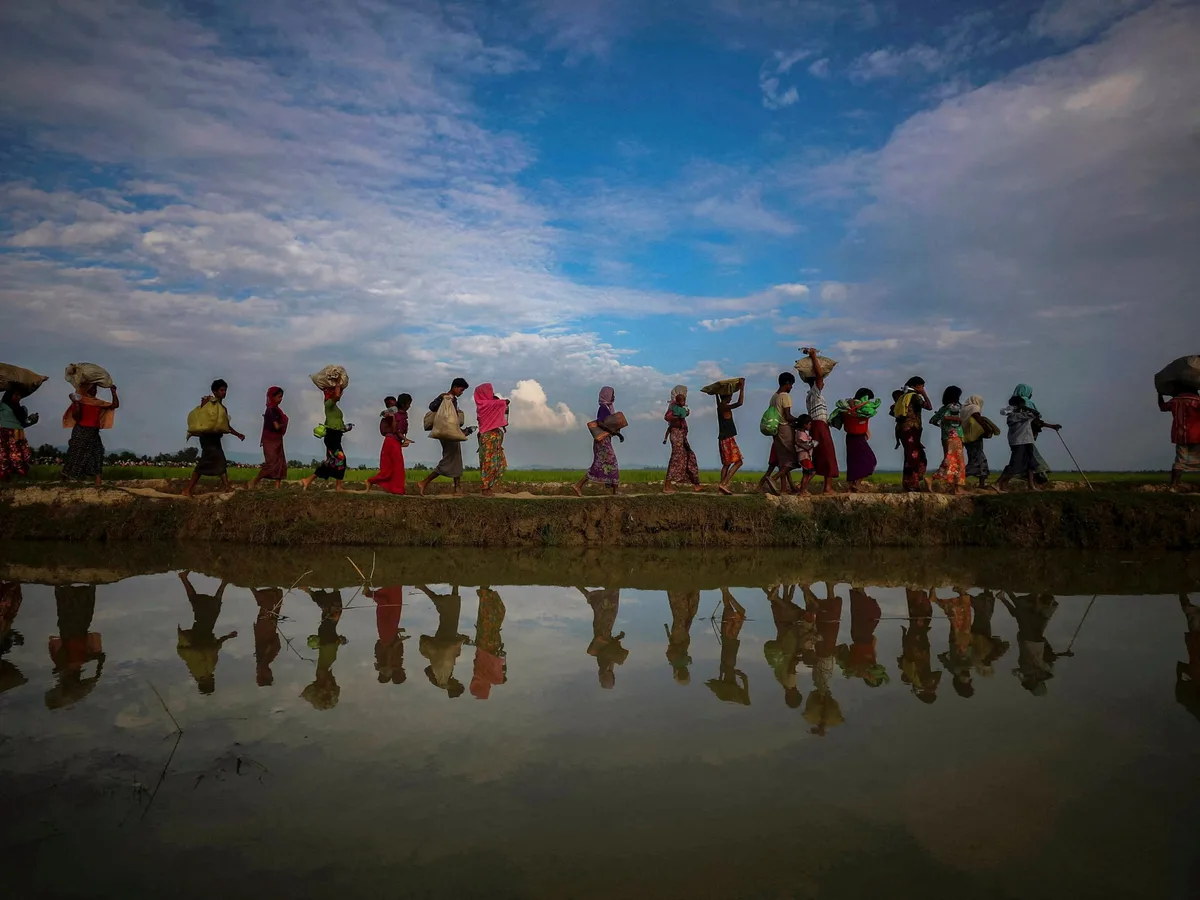
Nearly 1.2 million Rohingya refugees remain in camps around Cox's Bazar, Bangladesh, nine years after a violent crackdown forced them to flee Myanmar on August 25, 2017 [1, 2, 3, 4]. The Myanmar military operation launched in August 2017 involved killings, sexual violence, and village destruction that displaced over 700,000 Rohingya [1, 2, 3, 4]. Since then, efforts to repatriate the refugees have stalled amid ongoing civil war and persistent persecution in Rakhine State.
The Myanmar military coup in 2021 triggered a nationwide civil war that further destabilized the country, including Rakhine State, complicating prospects for safe return [1]. Control of most of Rakhine has shifted to the Arakan Army, an ethnic Rakhine armed group accused of committing abuses against Rohingya, including killings, forced labor, restricted movement, and sexual violence [2]. Both the Myanmar military and Arakan Army continue campaigns amounting to ethnic cleansing of the Rohingya population [2].
The Myanmar junta government announced in July 2026 it had verified 426,545 Rohingya names out of over 820,000 submitted by Bangladesh, including 308,797 identified as former Rakhine residents [1, 4]. However, authorities say they will not repatriate refugees until security improves—the reality is "safe repatriation is simply not possible," said researcher Ronan Lee [1]. Professor Shahab Enam Khan described the verified figure as "movement on paper rather than on the ground" [4].
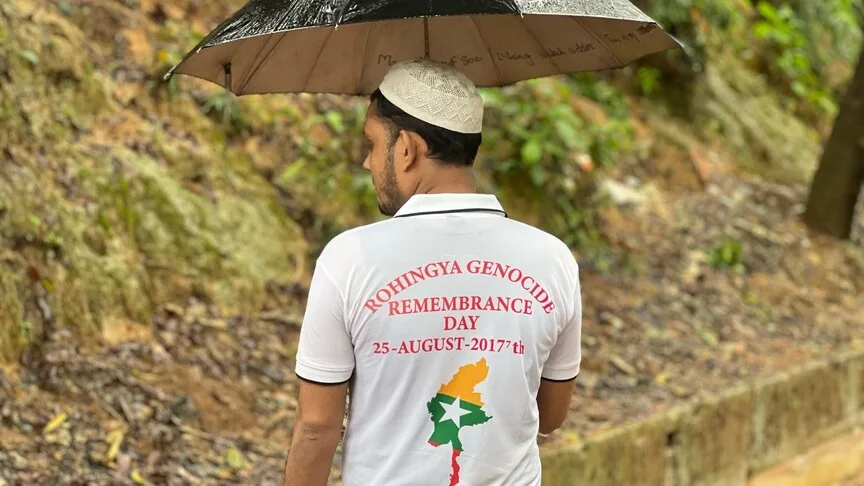
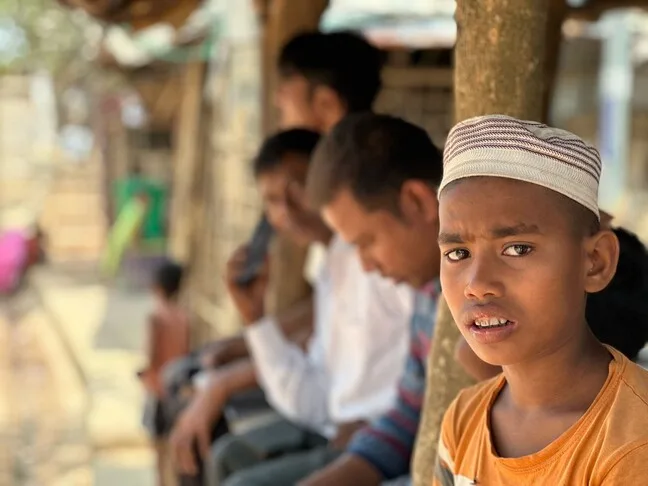
Rohingya refugees marked the ninth anniversary of their mass expulsion with rallies and demands for citizenship, justice, and a safe return to Myanmar on August 25, 2026 [3, 4]. ‘‘We do not want to remain refugees forever. We want to return to our own land in Rakhine, Myanmar,’’ said Master Syed Ullah from the United Council of Rohingya [3]. Master Shoaib, a Rohingya leader, added, "We have been waiting for nine years. A generation of our children is growing up in the camps." Many children born in exile have never seen Myanmar and know their homeland only through stories [3].
Mohammad Ibrahim, a Rohingya refugee, described life in camps as "a life of uncertainty" dependent on aid money [4]. Meanwhile, a genocide case brought by Gambia against Myanmar remains pending before the International Court of Justice as of 2026 [1, 3].
Large-scale safe repatriation remains stalled amid ongoing conflict, military loss of control, and ongoing persecution. Myanmar has yet to set a timeline for when conditions will allow returns to resume.