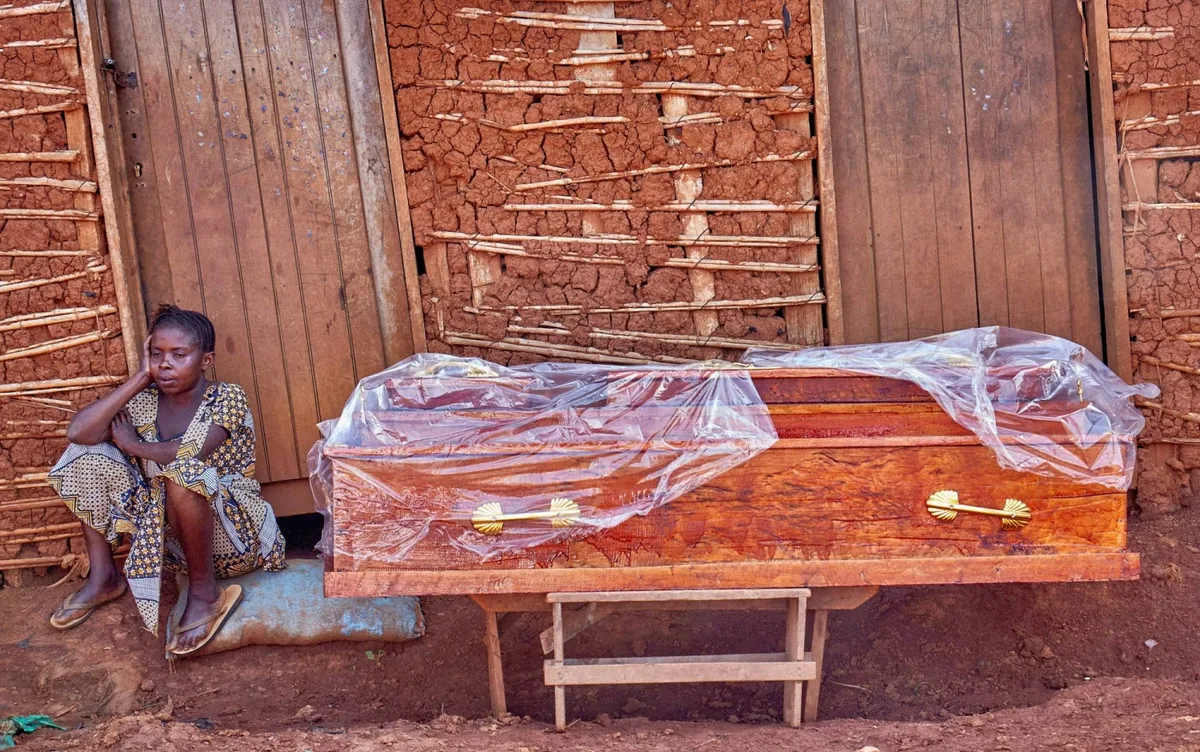
The Democratic Republic of Congo confirmed 598 Ebola cases, with 115 deaths and 22 recoveries reported as of early June 2026 [1]. The outbreak involves the Bundibugyo strain and was officially announced on May 15, though it had been spreading undetected for weeks prior [1].
The outbreak spans three provinces in eastern DR Congo: Ituri, North Kivu, and South Kivu [1]. Cases have been identified in 17 health zones in Ituri, seven in North Kivu, and one in South Kivu [1].
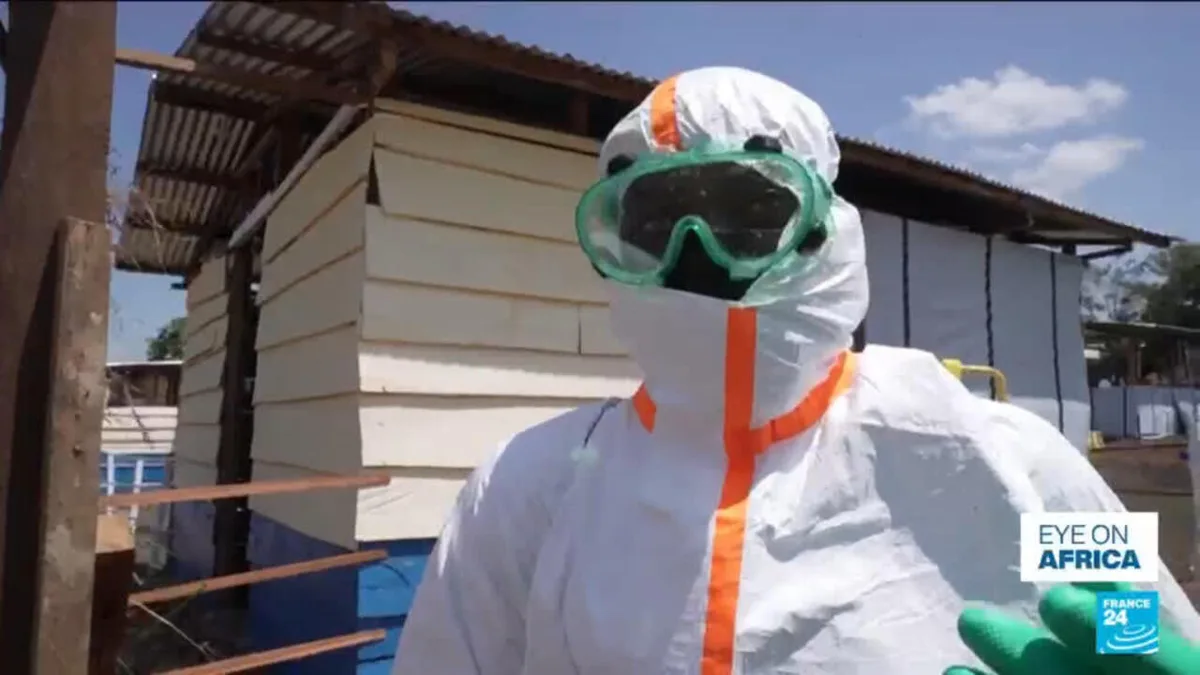
Health workers responding to the outbreak face numerous challenges. Attacks and violence by local communities resisting containment efforts have targeted burial teams and treatment centers, complicating efforts to control the virus [1]. Those on the front lines have reported a lack of sufficient protective equipment as well as physical threats, increasing risks for medical teams working in the affected areas [1, 2].
The International Rescue Committee has called for urgent funding to strengthen containment operations, particularly in Ituri province where the outbreak is most intense [1].
The rise in cases and continued community resistance have stalled response efforts since the outbreak's announcement in May. Monitoring and intervention continue to be focused on affected health zones across the three provinces.
Emergency teams are preparing to scale up vaccination and treatment campaigns while coordinating with local authorities to improve community engagement. The situation remains fluid with ongoing risks to health workers and vulnerable populations in the region.