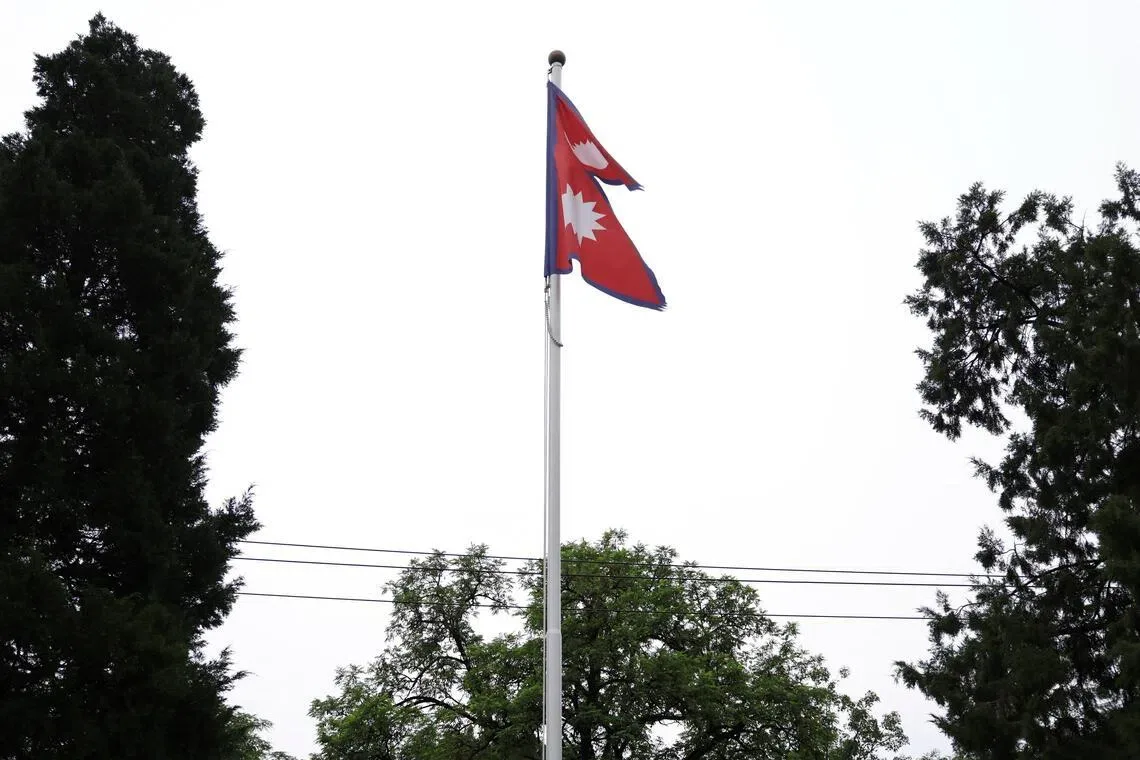
Two former Nepal ministers, Top Bahadur Rayamajhi and Bal Krishna Khand, were sentenced to prison on July 14 for forging documents to resettle Nepali nationals as Bhutanese refugees in the United States [1, 2]. Rayamajhi received a four-year jail term and a fine of 40,000 Nepalese rupees, while Khand was sentenced to two years in jail and fined 20,000 rupees [1, 3, 4]. Fourteen others, including a former senior bureaucrat and an ex-Bhutanese refugee leader, were also convicted and received sentences of up to four years [1, 3, 2, 4].
The court ruling follows a scam that falsely promised refugee status to Nepali people who missed the official Bhutanese refugee resettlement program, which ended in 2018. The accused charged large fees from hundreds of victims but did not provide the promised assistance to resettle abroad [3, 4]. Authorities uncovered the scheme in 2023 after multiple complaints to Nepal police led to investigations and arrests starting in March of that year [1, 3, 2, 4].
The Bhutanese refugee crisis began in the early 1990s when over 100,000 Lhotshampa people of Nepali origin fled Bhutan due to citizenship stripping policies and settled in refugee camps in Nepal [1, 3, 2, 4]. From 2007 to 2018, nearly 113,000 Bhutanese refugees were resettled through third-country programs, primarily in the US, Canada, Australia, and Europe. The United States alone accepted around 100,000 of these refugees from Nepal [1, 3, 2, 4].
It remains unconfirmed whether any Nepali nationals actually obtained US resettlement through the fake scheme [1, 2]. Both Rayamajhi and Khand deny involvement, with their lawyers stating they will appeal the verdicts. Dharma Raj Regmi, Rayamajhi’s lawyer, said, "He was never involved in policy making for the refugees" and confirmed, "An appeal would be filed". Khand’s lawyer, Pankaj Karna, also said his client "would appeal against the verdict" [1, 2].