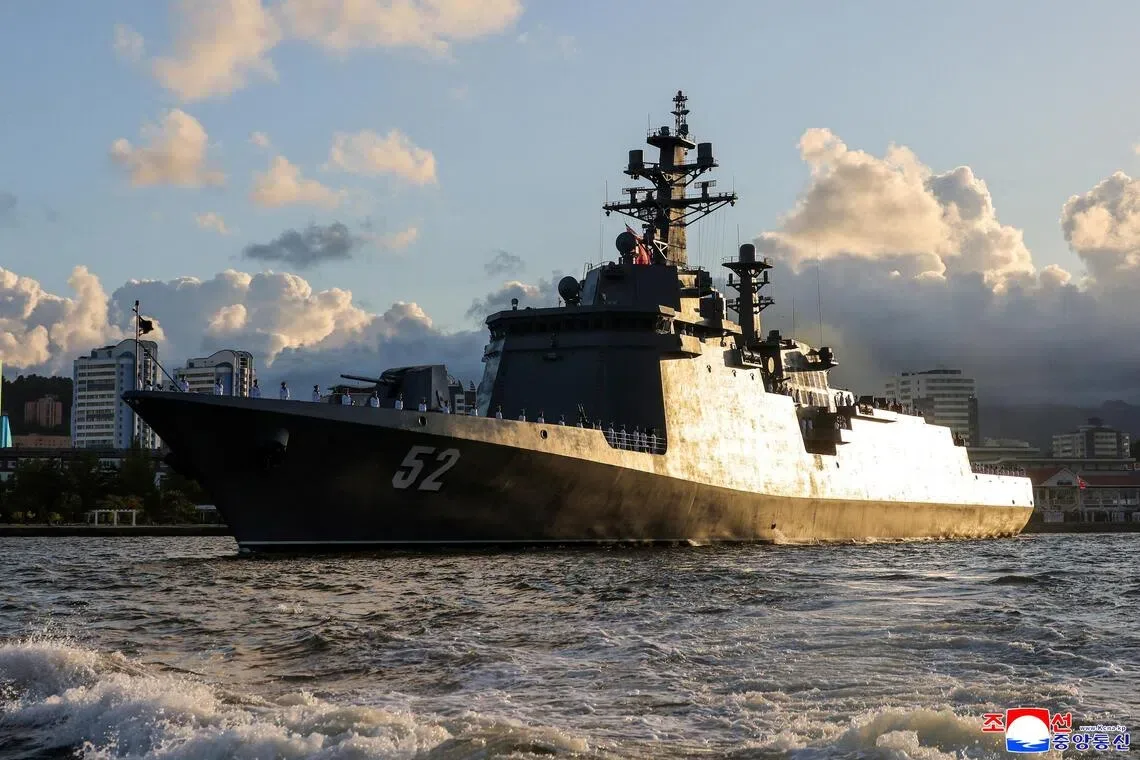
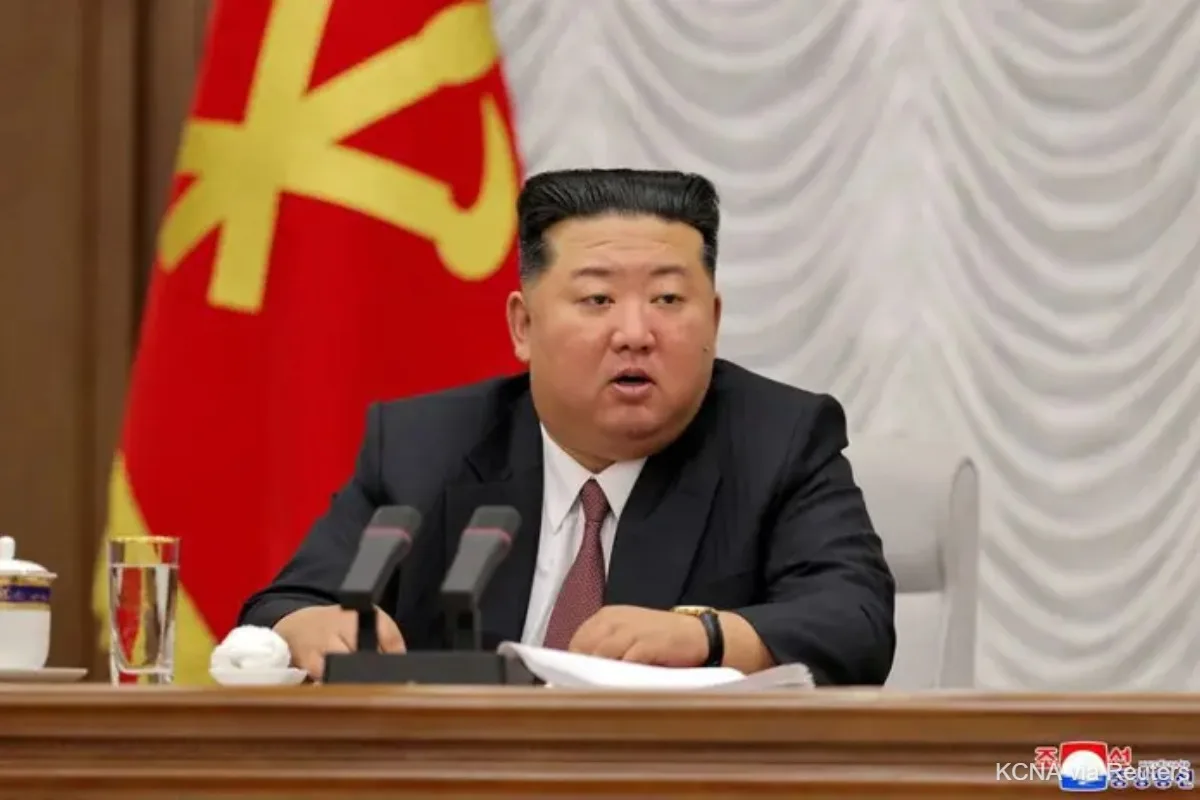
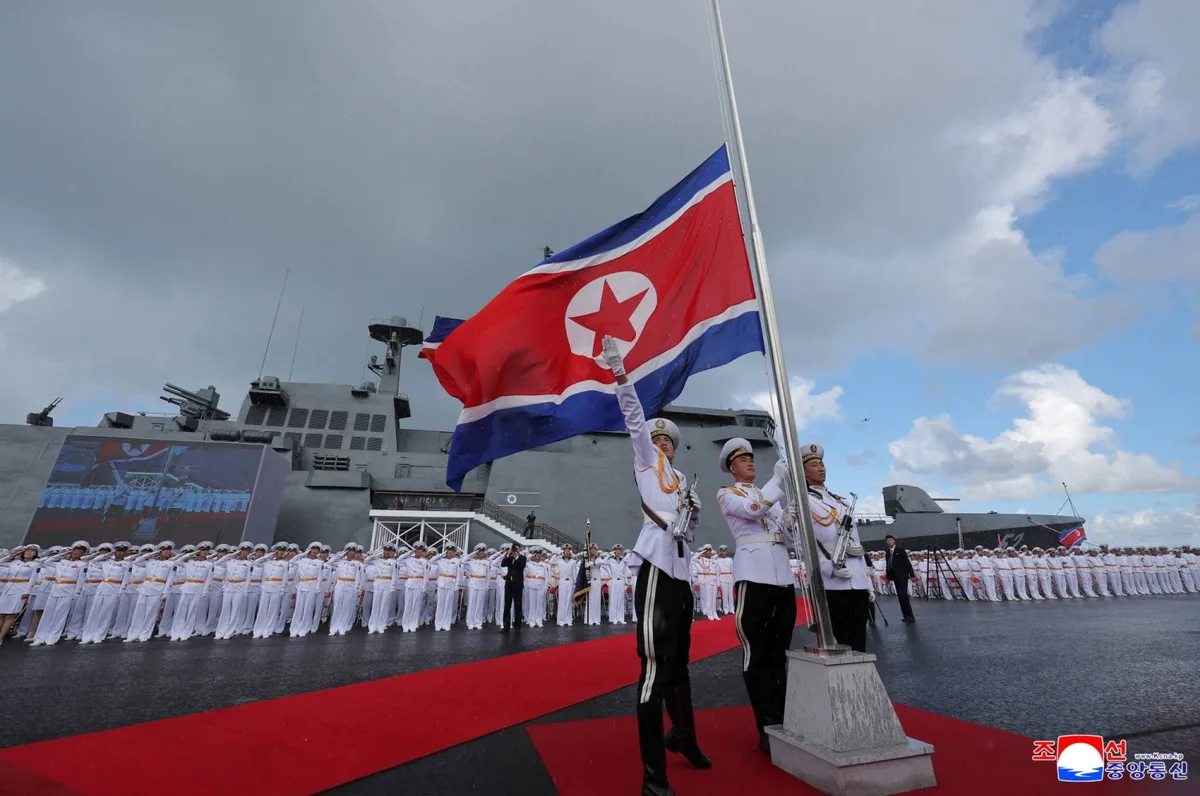
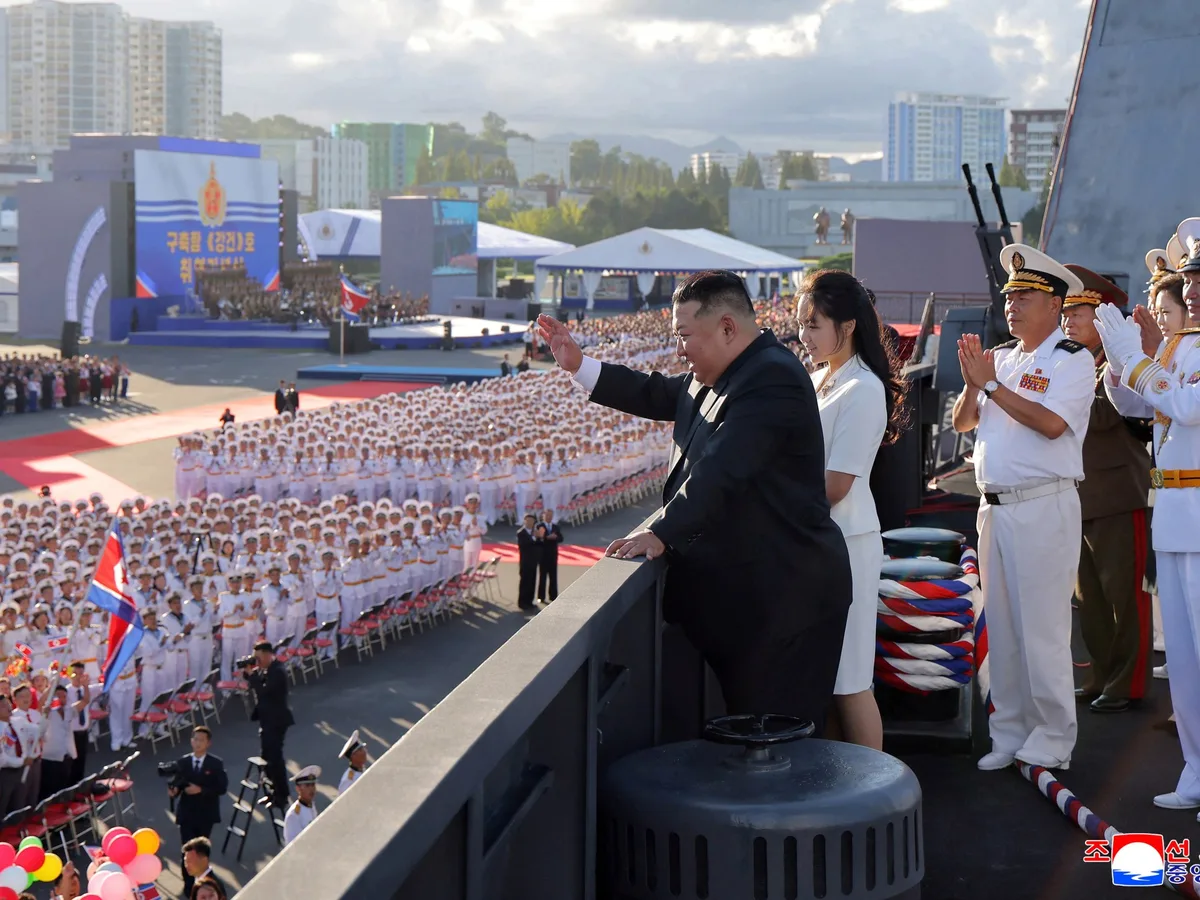
North Korean leader Kim Jong Un presided over the commissioning of the 5,000-tonne Kang Kon destroyer at a ceremony in Wonsan on September 6, declaring it part of the state nuclear response system capable of delivering devastating retaliatory strikes [1, 2, 3, 4, 5]. Kim said, "Once ordered anytime, the new-generation destroyer should deal a deadly retaliatory blow at the enemies as it is a force involved in the state nuclear counteraction system" [5].
The Kang Kon is the second ship of its class, following the Choe Hyon destroyer commissioned on the west coast about three months earlier [1, 2, 3, 5]. Kim described the Kang Kon as representing North Korea's "self-respect and will to defend its rights and interests" and said the country is accelerating naval modernization and expanding nuclear-capable forces including naval nuclear armaments [1, 2, 3, 4, 5]. He added, "The time has come for us to exercise our sovereignty at sea and under water" [1].
KCNA did not specify if the Kang Kon carries nuclear weapons but said it has similar weapons systems as the Choe Hyon, which analysts say can deploy missiles capable of nuclear payloads [1, 3]. The destroyer's initial commissioning in May 2025 was marred by a partial capsizing, but it was repaired, relaunched, underwent sea trials, and finished weapons testing by July 2026 before the recent ceremony [3, 5].
Kim also announced construction of new naval bases on the east coast and the creation of new naval units and warship types [1, 3]. He stated he would demonstrate a further stage of the naval buildup in eight months without giving further details [1, 3].
Kim's daughter Ju Ae played a prominent role at the ceremony. South Korean intelligence views her as positioned to be Kim’s successor [2, 5].
After commissioning, the Kang Kon was deployed to the sea east of the Korean Peninsula, signaling deterrence towards U.S., South Korean, and Japanese naval operations in the region [1, 2, 3, 4]. On September 7, in response to North Korea’s missile and nuclear threats, South Korea, the U.S., and Japan commenced their annual joint naval and air exercise Freedom Edge near Jeju Island [2, 5].