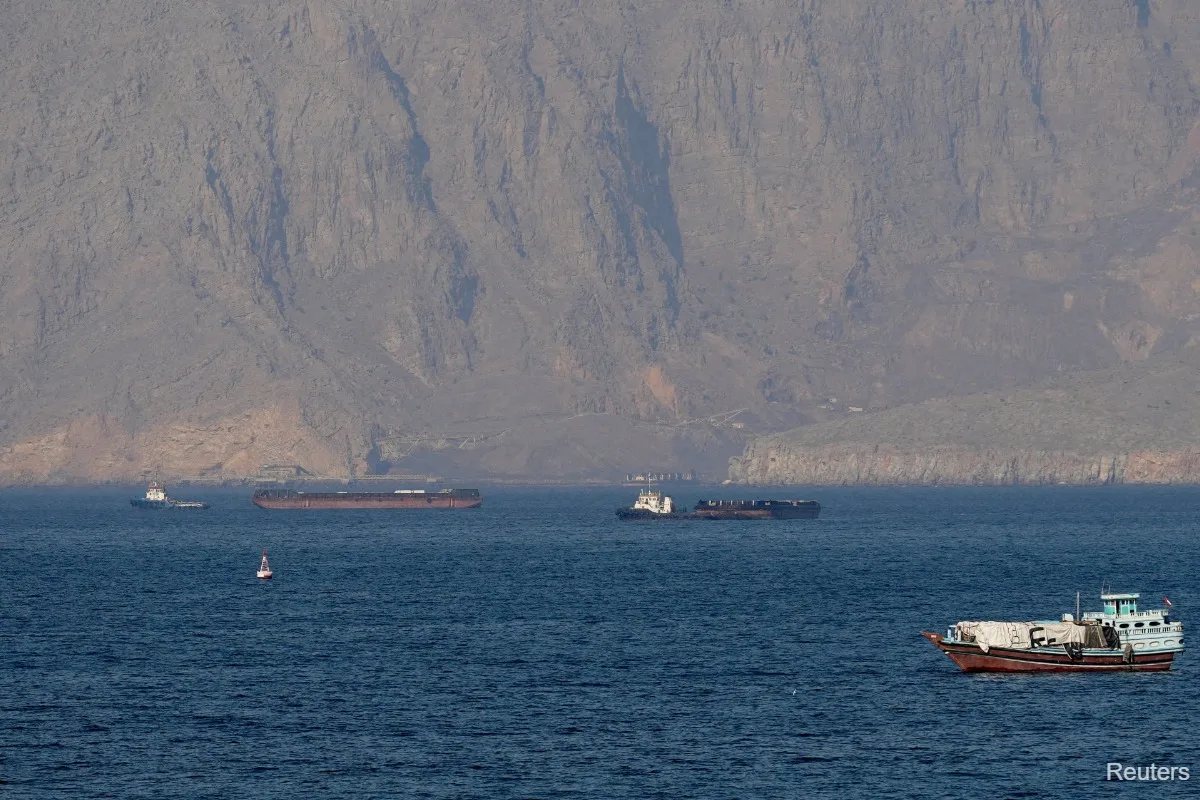
Oman presented Iran on July 28 with a Gulf-backed plan to jointly manage the Strait of Hormuz, including collecting voluntary fees from ships using the waterway, officials said [1, 2, 3, 4, 5, 6]. The proposal calls for a shared regional fee system modeled on the voluntary fee scheme in the Strait of Malacca. It would not give Iran sole control of the strait, a major global shipping route [1, 2, 3, 4, 5, 6].
Iran rejected returning the strait to free passage without fees, insisting on maintaining more control over transit. Tehran proposed a temporary arrangement to Oman that would give Iran greater control over traffic routes, including managing ships traveling one direction through Iranian waters and rejecting the existing Traffic Separation Scheme (TSS) dividing lanes equally [7, 6]. Iranian Deputy Foreign Minister Kazem Gharibabadi said, "This is for national security...When the TSS was for 60 years in Omani waters, we didn't say anything" [7]. He added Iran would not allow third parties to clear mines from the strait [7].
The dispute comes amid escalating tensions after US and Israeli attacks beginning February 28 effectively closed the strait to non-Iranian ships [1, 2, 3, 4, 5]. A partial reopening deal struck in June collapsed by early July after Iran fired on ships [1, 2, 3, 4, 5]. Approximately 20% of the world's oil and liquefied natural gas passed through the strait before the conflict [1, 2, 8].
Oman, which has historically played a mediating role given its unique regional ties, led the Gulf approach for joint management [8]. Oman’s Foreign Minister Badr Al-Busaidi said, "Vital waterways, including the Strait of Hormuz, must remain open and accessible for navigation, free from any measures that would impede freedom of navigation and international trade flows" [8].
Iran’s Foreign Minister Abbas Araghchi held phone calls with Omani and Saudi counterparts on July 27, stressing cooperation to establish stability and to eliminate insecurity caused by US actions in the strait, according to Iran’s Foreign Ministry statement [1, 9, 10]. The ministry said Araghchi "emphasised the need to strengthen cooperation and advance joint diplomatic efforts to establish stability in the region" [1].
Meanwhile, US President Donald Trump abruptly halted a two-week bombing campaign on Iran's infrastructure, including in the south, citing military advice. He said there were "good talks" with Iran but warned strikes would resume if negotiations failed [1, 2, 3, 4, 10, 5]. In contrast, Iran denies seeking direct talks with the US, stating it has no plans to negotiate with Washington but is continuing step-by-step talks with Oman [2, 3, 4, 10, 6]. Deputy Foreign Minister Gharibabadi said Tehran has no plans to negotiate with the US but is maintaining dialogue with Oman [6].
Iran’s deputy minister also described Oman’s proposal as suggesting three maritime traffic lines: one through Iranian waters, an international one, and one through Omani waters [6].
Oman’s proposal and Iran’s counteroffer mark the latest diplomatic effort to resolve control and safety of the strategically vital waterway. The next critical phase will depend on follow-up talks between Oman and Iran on how to implement or revise the joint management framework.