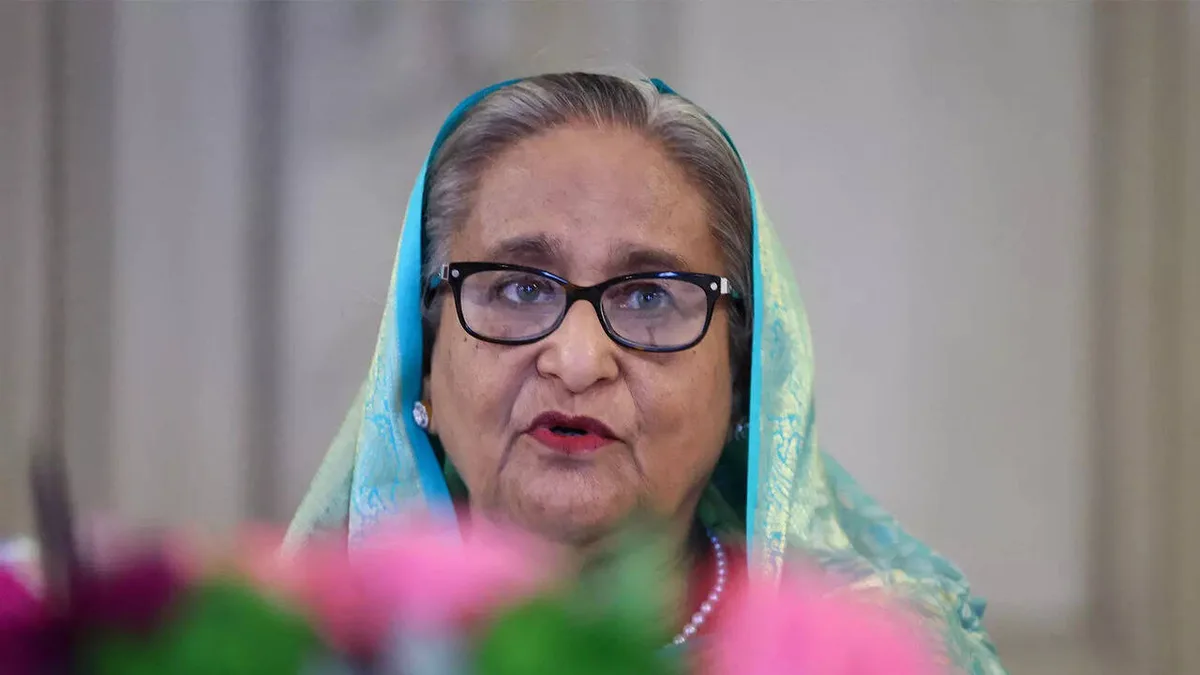
Sheikh Hasina, the 78-year-old former prime minister of Bangladesh, will voluntarily return from exile in India around December 2026 to surrender to Bangladeshi authorities despite a death sentence against her [1, 2, 3].
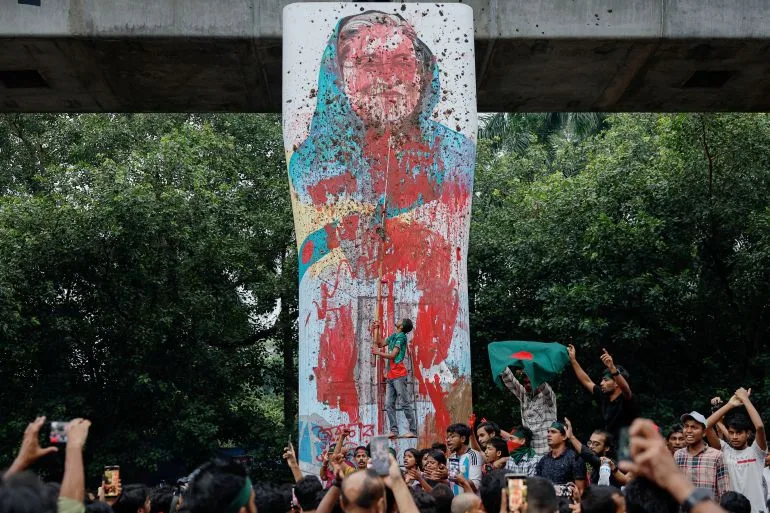
Hasina fled Bangladesh in 2024 following violent protests that ended her 20 years in power. She was sentenced to death in absentia by a war-crimes tribunal amid accusations linked to a bloody crackdown during her final term in office [1, 2, 3].
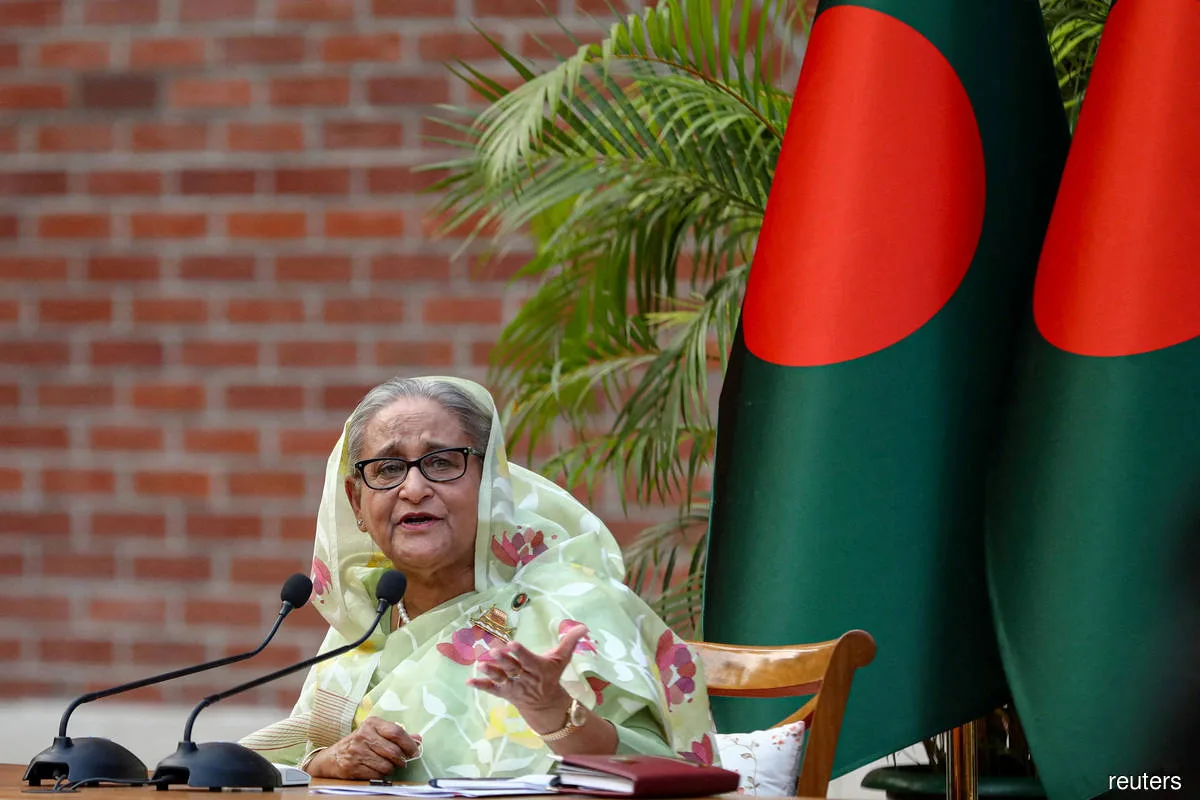
Hasina said she and senior Awami League leaders, including former Home Minister Asaduzzaman Khan Kamal who also faces a death sentence, plan to surrender together in court. "All together, we will all surrender in court," she told reporters [1, 2, 3].
She acknowledged the risks of her return, saying, "They may arrest me on my return, they may even kill me. Still, I have to go. If death comes, I want it to come on my own soil," where her parents are buried [2].
The Bangladesh government, led by the ruling BNP, has branded Hasina a "mass murderer" responsible for killings and genocide and rejected any calls for leniency. Home Minister Salahuddin Ahmed said, "After such brutal murders and genocide, the mass murderer Sheikh Hasina has no remorse to this day. The Awami League has been politically destroyed, eliminated and buried in Delhi" [2].
Bangladesh has requested India extradite Hasina, but she reportedly has not consulted foreign governments on the timing of her return [1, 2].
The Awami League party is currently banned in Bangladesh. Hasina's two decades in power significantly transformed Bangladesh’s economy but ended in authoritarian rule marked by the suppression of a student uprising in 2024 [1, 2, 3].
Hasina’s return could heighten political tensions within Bangladesh while offering a chance to ease strained India-Bangladesh relations [1, 2, 3].
She plans to surrender in court with her allies in December 2026, setting the stage for a potentially volatile showdown with Bangladesh’s current authorities.