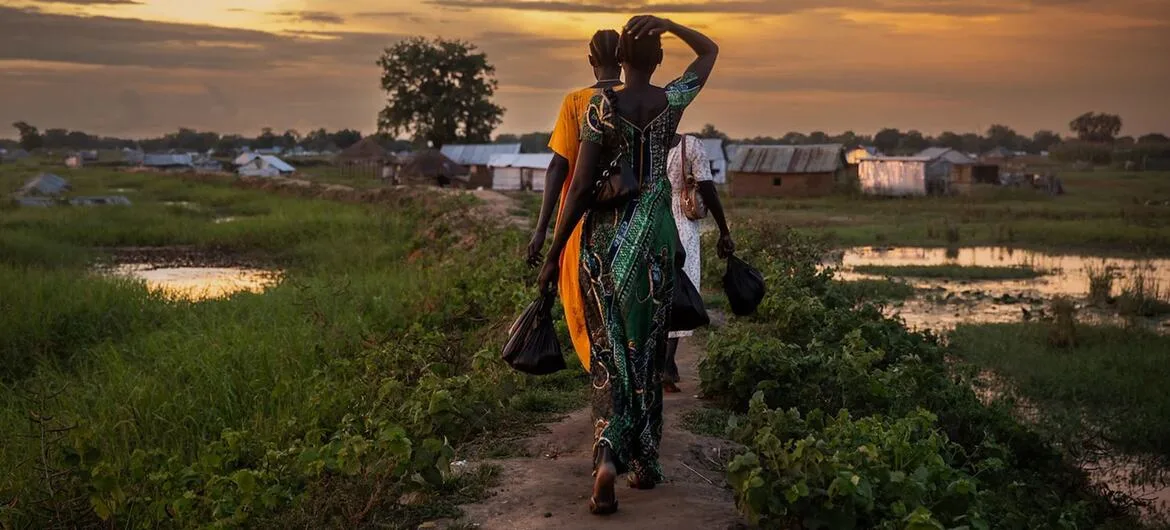
Over 650,000 refugees and asylum seekers in South Sudan face losing access to food aid within weeks because of critical funding shortages, the World Food Programme (WFP) and UNHCR said [1, 2]. The most vulnerable group of 240,000 refugees will receive their last food distribution in September unless new funding is urgently secured [1, 3, 2]. WFP's Deputy Country Director Adham Effendi warned, "This is not a future scenario. It is sadly a reality that will hold within weeks" [1].
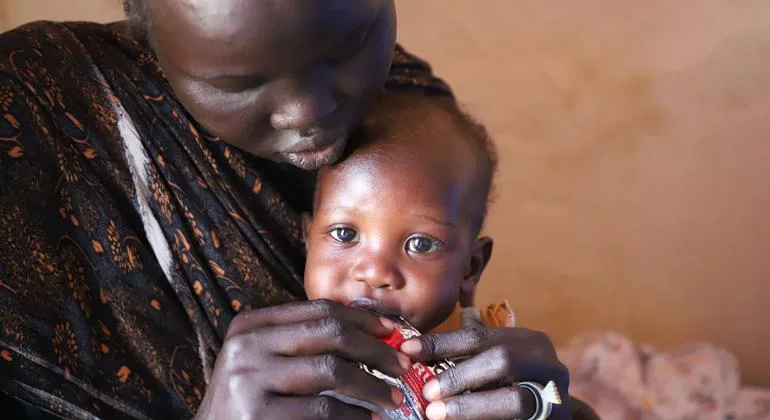
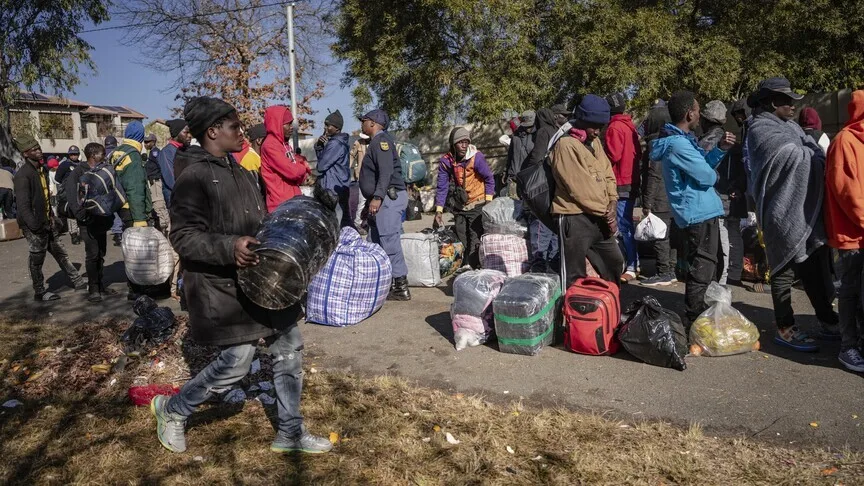
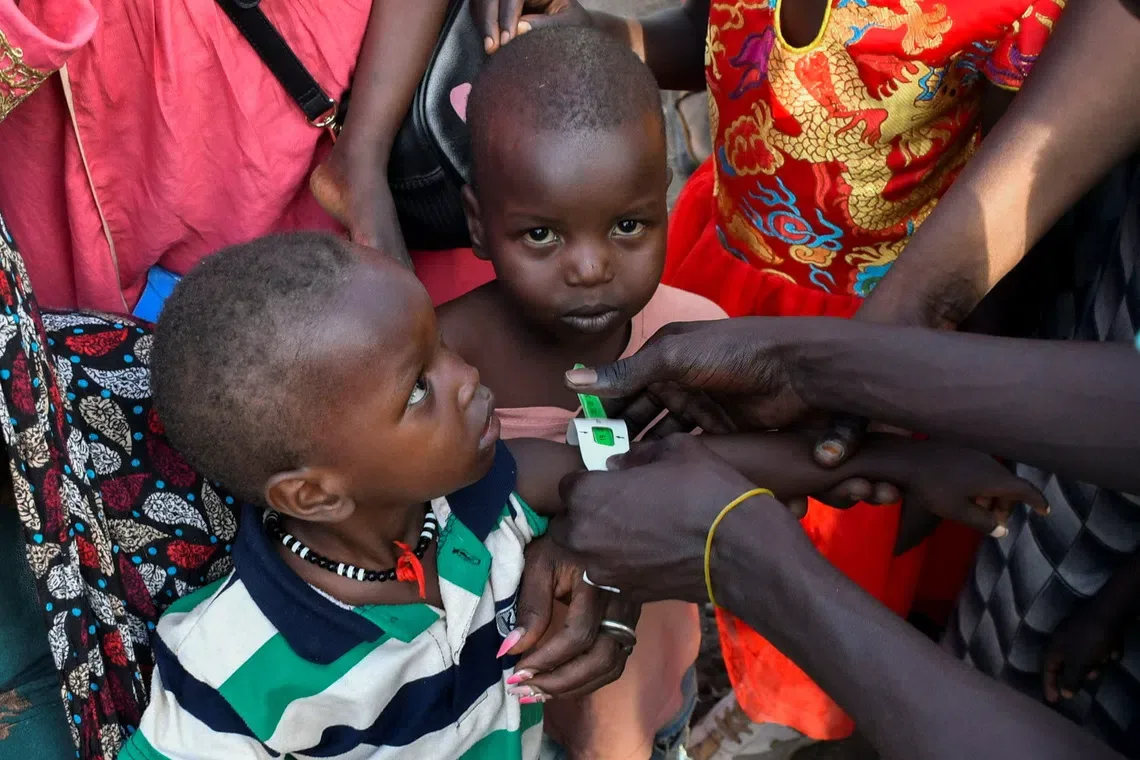
South Sudan is already grappling with severe food insecurity. More than 7.8 million people, over half the population, face acute food insecurity while 2.2 million children are acutely malnourished [1, 3]. The humanitarian crisis is compounded by the weekly arrival of 3,000 refugees and returnees from neighboring Sudan, adding pressure on limited resources [1, 3, 2].
WFP currently has a $37 million funding gap specifically for refugee operations from October to December 2026 [1, 2]. Its overall shortfall for the rest of the year stands at $258 million, threatening aid for 4.2 million food-insecure people nationwide [3, 2]. UNHCR has received just 28% of its $286 million funding target to sustain protection and assistance for nearly 4 million refugees, internally displaced people, returnees, and vulnerable host communities [1, 3, 2].
UNHCR Deputy Representative Mesfin Degefu added, "If funding does not materialise, no refugees in South Sudan will be receiving food assistance from October" [1]. He noted, "Every week, thousands more refugees and returnees continue to arrive from Sudan with almost nothing, many exhausted, hungry, and in urgent need of protection and assistance" [2]. From October, food assistance is also expected to stop for about 180,000 internally displaced persons within South Sudan [1]. By November, around 600,000 people in famine-risk areas could lose critical support [1].
Families already affected are reducing meals, selling belongings, withdrawing children from school, and incurring debt to survive [1, 3]. Women and children face rising risks of exploitation and abuse amid the worsening crisis [1, 3, 2]. Some refugees have requested help returning to Sudan despite unsafe conditions there [1].
The peak rainy season complicates food availability, market prices, and transport routes, worsening access to assistance [3]. Effendi said, "We are seeing the devastating impact of conflicts that force people from their homes colliding with a severe shortage of resources that is now making the crisis worse" and called for "urgent support to save lives and livelihoods" [2].
The humanitarian community is urgently seeking additional funding to prevent food aid cuts scheduled for September and beyond that would place millions at heightened risk of hunger and malnutrition [1, 3, 2].