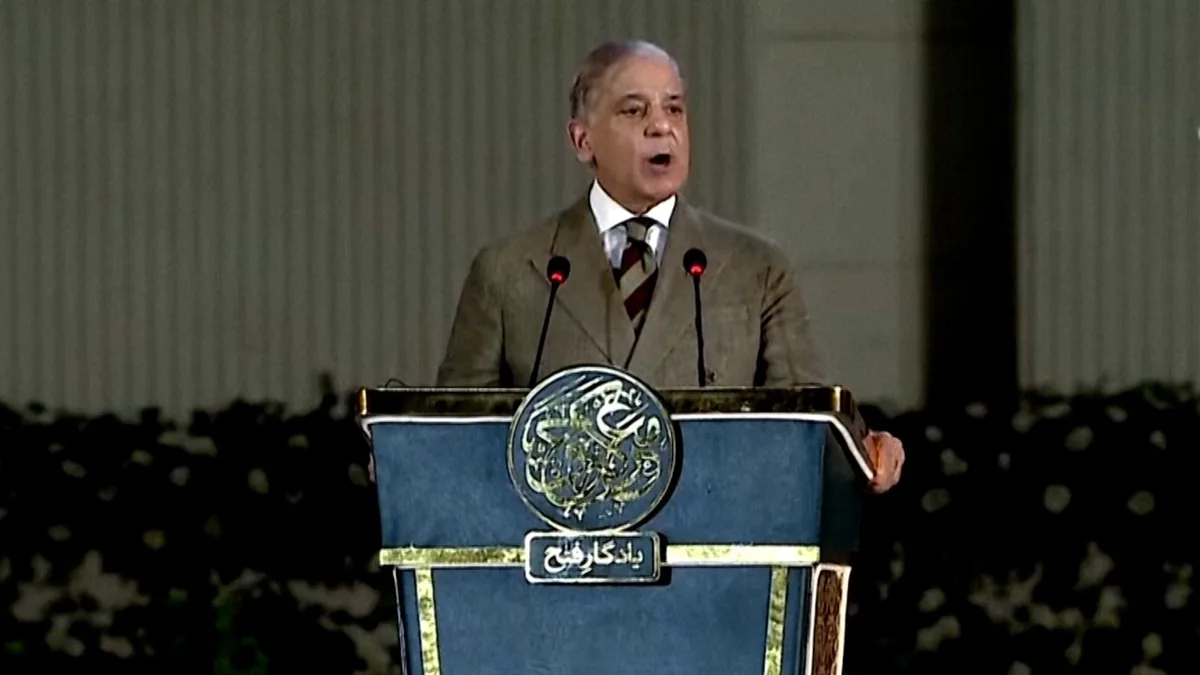
Pakistan Prime Minister Shehbaz Sharif sharply condemned India’s suspension of the Indus Waters Treaty (IWT), declaring Pakistan’s water resources a "red line" that would trigger a direct response if confronted. He said, "Every single drop of Pakistan's water is our red line. If India does not come to its senses, it will be responded to directly" [1].
Sharif issued the warning on August 13, 2026, amid ongoing tensions following the unilateral Indian suspension of the treaty in April 2025. India suspended the century-old agreement one day after a terror attack in Pahalgam, Jammu and Kashmir, which killed 26 civilians and was blamed on Pakistani actors by India [1, 2]. Sharif said any challenge to Pakistan’s sovereignty and defense—including over water—would receive a stronger reply than during the May 2025 military conflict between the two countries. "If anyone challenges Pakistan’s sovereignty and defense, they will receive an even stronger reply than in May 2025," he stated [2].
The May 2025 conflict involved four days of cross-border armed clashes, ending with a ceasefire brokered by former U.S. President Donald Trump [3, 1, 2]. India argued it suspended the treaty citing changed circumstances after the Pahalgam attack and alleged Pakistani involvement [1, 2]. The Indus Waters Treaty, signed in 1960, divides the rivers of the Indus Basin between the two countries, granting India control over the three eastern rivers—Sutlej, Beas, and Ravi [1, 2].
In June 2025, the Permanent Court of Arbitration ruled that the IWT does not allow any unilateral suspension or abeyance and asserted jurisdiction over related disputes [2]. Sharif meanwhile reiterated Pakistan’s desire for peace, stating, "Pakistan wants peace, not war, and that desiring peace should not be perceived as a sign of weakness" [2].
The Indus Waters Treaty remains suspended by India since April 23, 2025, with both sides locked in diplomatic and legal disputes. Pakistan has vowed a direct response if India continues to challenge its water sovereignty. The ongoing dispute is likely to remain a critical point of contention in India-Pakistan relations.