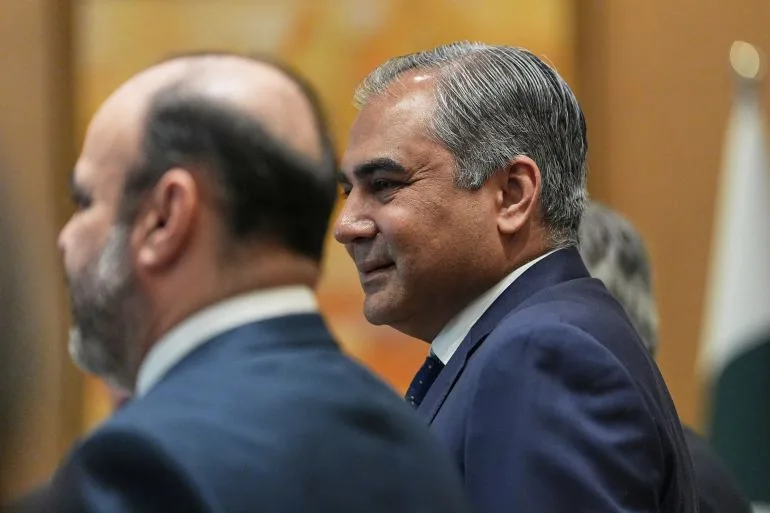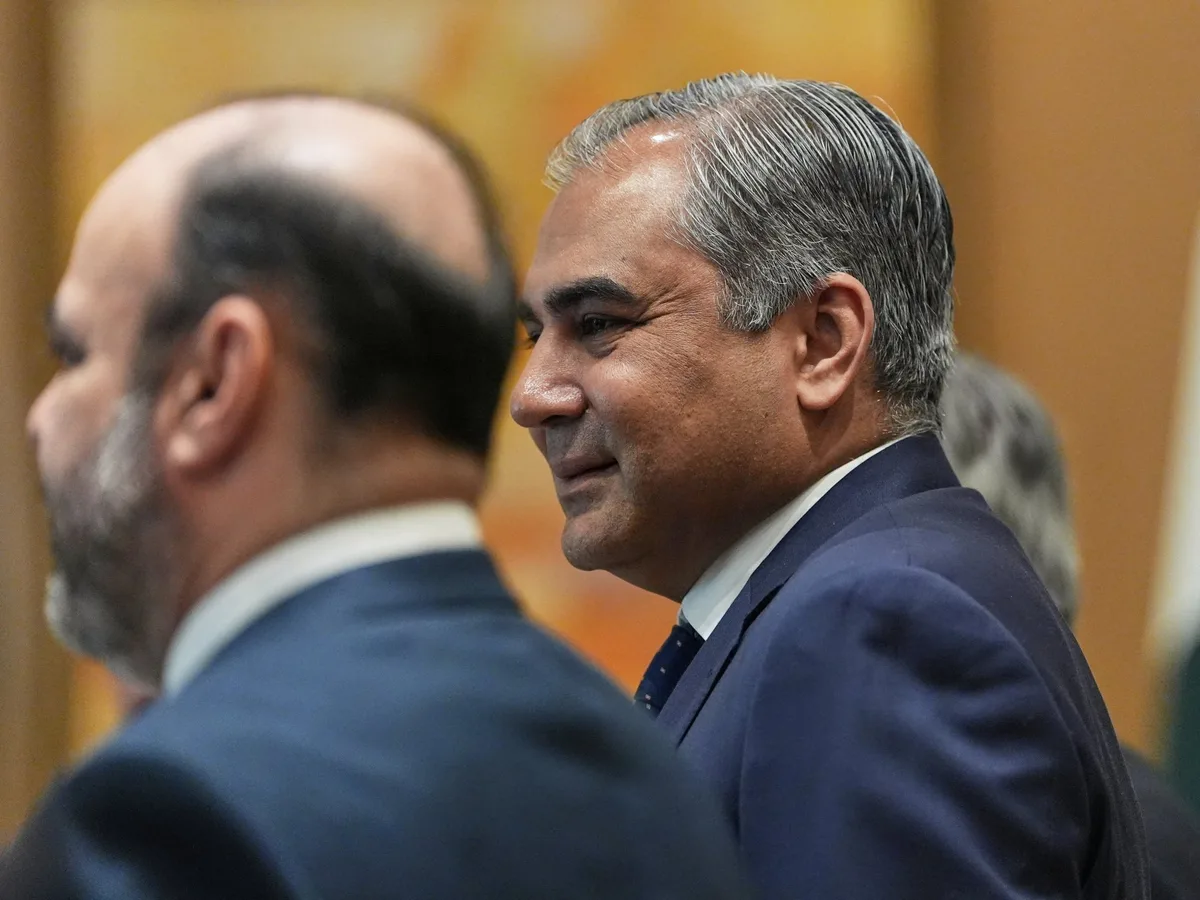
Pakistan’s Interior Minister Mohsin Naqvi traveled to Tehran on June 6, 2026, carrying a special letter for Iran’s Supreme Leader Mojtaba Khamenei as part of efforts to end the 100-day US-Israeli war against Iran [1]. Naqvi met with Iran’s Interior Minister Eskandar Momeni to discuss the latest regional developments and matters of internal security, among other issues, according to Naqvi [1].
The US and Iran have exchanged military strikes during the conflict, including Iranian drone and missile attacks targeting Gulf sites and US retaliatory strikes on Iranian radar installations near the Strait of Hormuz, a critical waterway through which about 20% of the world’s traded oil flows [1]. On June 7, US Central Command shot down Iranian drones threatening the Strait of Hormuz, and US forces conducted retaliatory attacks on Iranian radar positions [1].
Negotiations aimed at ending the US-Iran conflict remain stalled. Iranian official Mohsen Rezaei said the talks are at a deadlock and called on former US President Donald Trump to help break it [1].
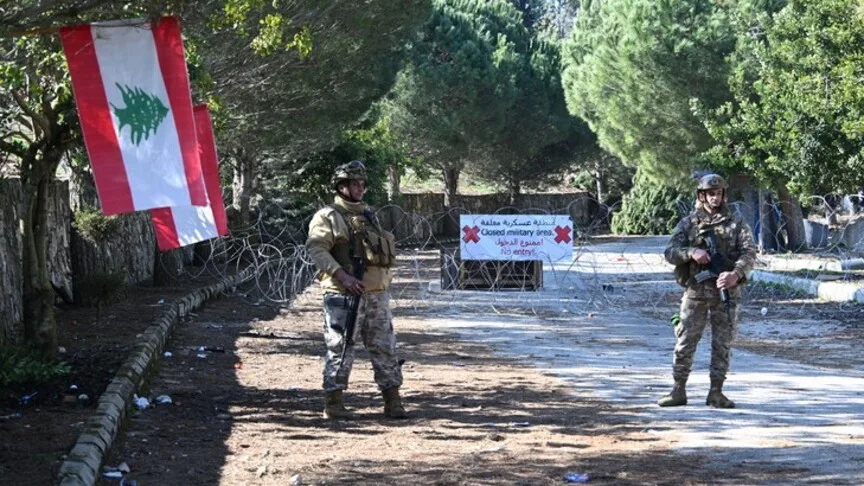
Meanwhile, the Lebanese-Israeli conflict has escalated since early March. Israeli attacks on Lebanon since March 2 have killed 3,593 people and injured 10,990, according to Lebanese officials [2]. A fragile ceasefire brokered through Pakistani mediation in mid-April was short-lived and fighting soon resumed [2].
In this context, Lebanese Armed Forces Commander Gen. Rodolphe Haykal visited Pakistan on June 6 at the invitation of Pakistan’s Chief of Army Staff [2]. Haykal’s visit comes amid ongoing Israeli attacks in Lebanon and Pakistan’s parallel mediation efforts between Iran and the US [2].
In early June, the US, Lebanon, and Israel announced a declaration of intent to reinforce the ceasefire along the Lebanese-Israeli border after diplomatic talks [2].
The diplomatic push by Pakistan unfolds amid persistent regional hostility and stalled peace negotiations with no immediate resolution in sight [1, 2].