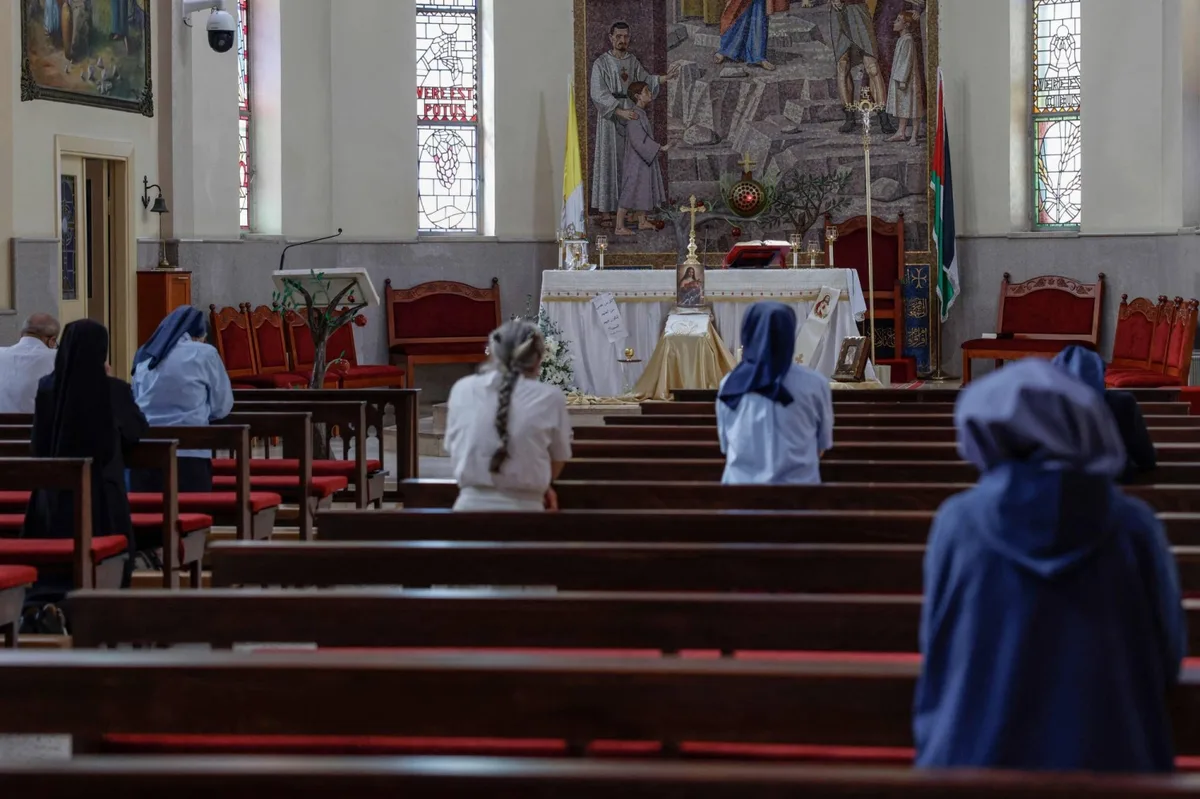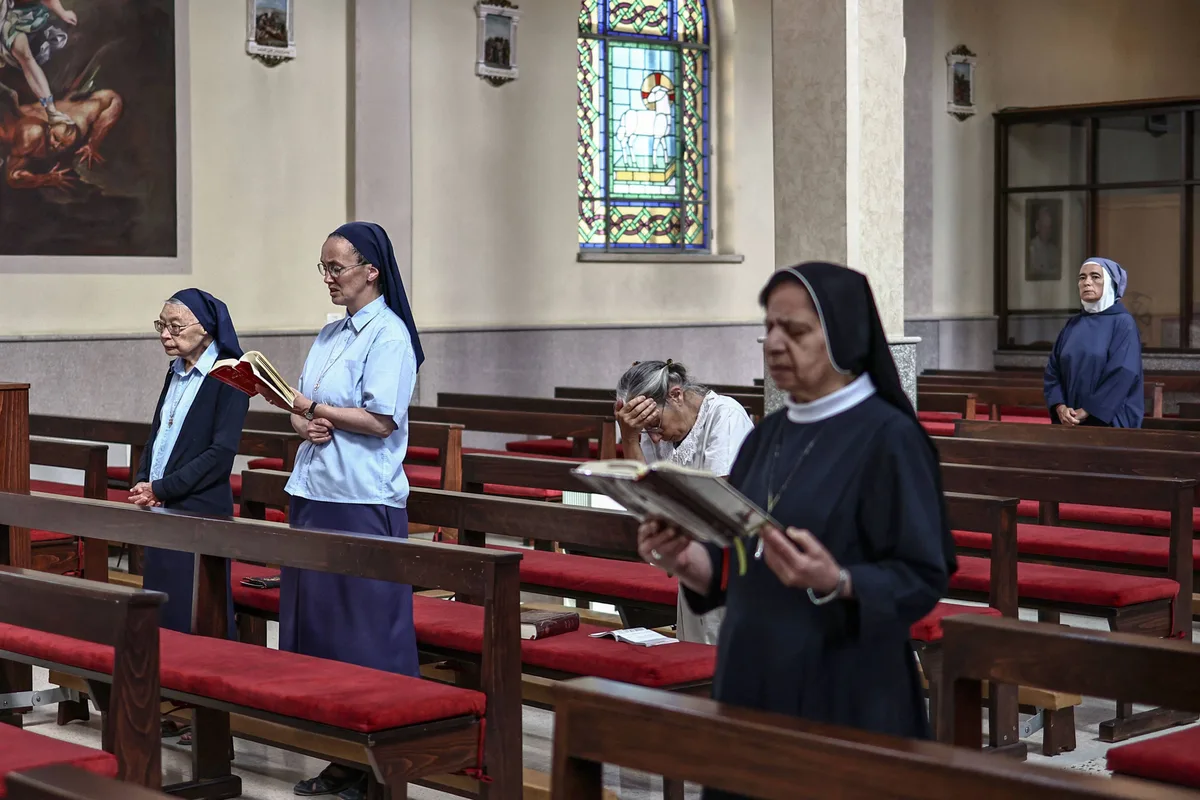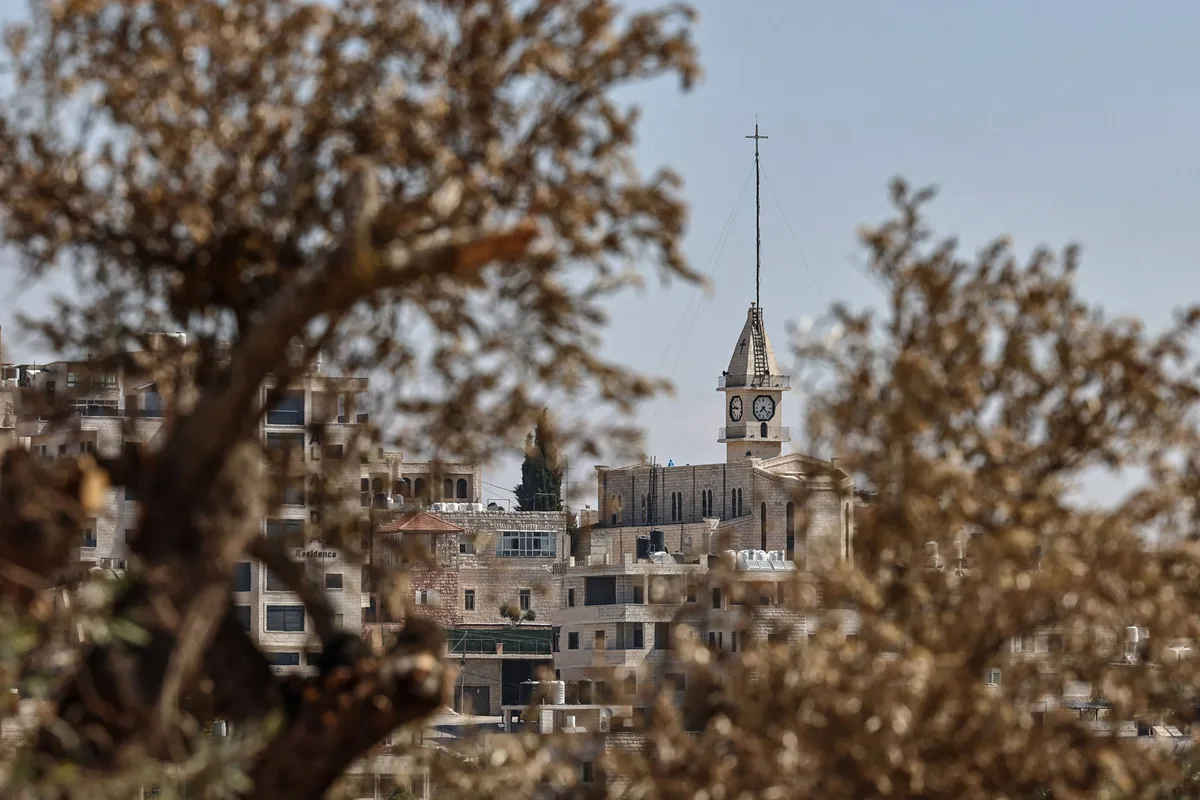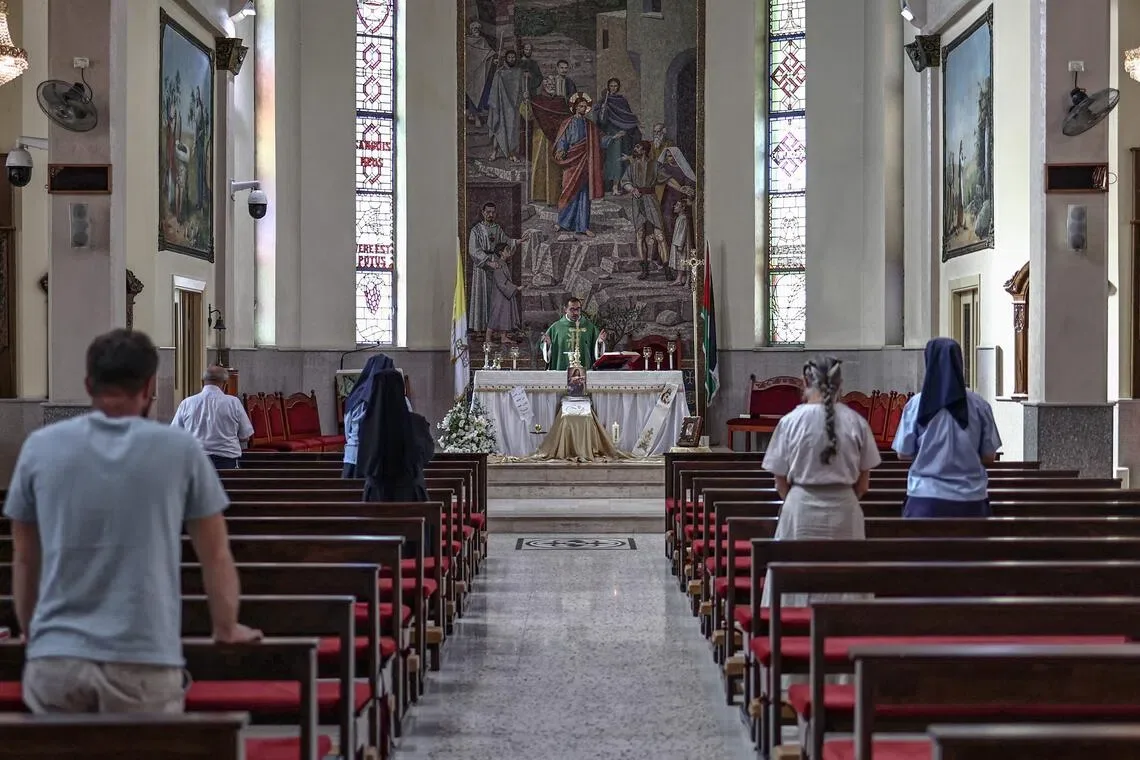
Palestinian Christians have lived continuously in the Holy Land for 2,000 years, considering themselves “living stones” of the region [1, 2, 3]. Yet their numbers in the West Bank have sharply declined over decades. In 1967, Christians made up around 6% of the West Bank population. Today, they account for just over 1%, with an estimated 40,000 to 45,000 remaining [1].
Since the war in Gaza erupted nearly three years ago, hundreds of Palestinian Christians have fled the West Bank amid escalating violence and insecurity [1, 2, 3]. Reverend Mitri Raheb, founder and president of Dar al-Kalima University in Bethlehem, warned, “If the current conditions continue, there will not be a single Palestinian Christian left by 2050” [1].
The community faces a range of humanitarian and economic challenges. Jobs are scarce, and movement is heavily restricted by checkpoints throughout the West Bank [1, 2]. Attacks by Israeli settlers and increased Israeli military operations have heightened insecurity for Christians, with some incidents targeting churches and clergy [1, 4]. These attacks contribute to displacement.
Young Palestinian Christians express growing frustration. Issa Qassis, a 31-year-old entrepreneur from Ramallah, said he began contemplating emigration about a year ago. “Every time I move one step forward in my work, I end up taking three steps back,” he said. “I started seriously thinking about it about a year ago, feeling frustrated and hopeless about the situation” [1, 2].
Traditionally, Christian families encouraged young people to remain in the West Bank, but many now urge their children to seek opportunities abroad due to worsening living conditions [1]. Palestinian Christian Foreign Minister Varsen Aghabekian Shahin noted that Christians often find it easier to emigrate than Muslims because relatives abroad can help with integration [1].
The steady outflow and declining population raise concerns about the future of this ancient community in the region. The situation remains dire as violence and economic hardship persist in the West Bank.